
















A new study from York University has found that levels of trifluoroacetic acid (TFA) fell sharply in Toronto’s atmosphere during the COVID-19 pandemic, offering new insight into where the pollutant comes from.
The research, published this week, shows that atmospheric concentrations of TFA – the smallest and most widespread of the ‘forever chemicals’ – dropped significantly in 2020 as pandemic restrictions shut down travel and industrial activity. According to the researchers, the rapid decline points to short-lived chemical sources that could be regulated to reduce environmental levels of the persistent compound.
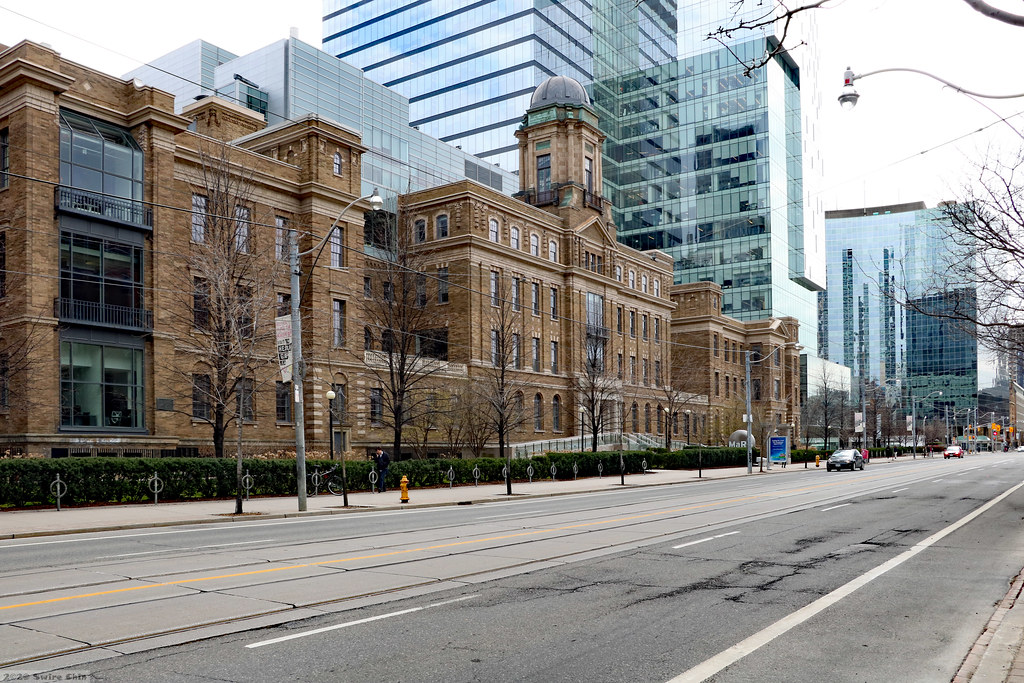
Professor Cora Young, an atmospheric chemist at York University and senior author of the study. said: ‘When we turned off the tap, so to speak, and we all went home and stopped normal activities, we saw a really quick response – a dramatic reduction of TFA. But the real surprise is that the results point to TFA being formed from short-lived chemical precursors emitted into the atmosphere.’
Researchers collected monthly measurements of both wet deposition (rain and snow) and dry deposition, such as airborne gases and particles that settle on surfaces, from York University’s Air Quality Research Station between 2018 and 2024.
As pandemic restrictions eased and daily activities resumed, TFA levels rebounded and showed seasonal peaks in summer months, when sunlight drives the chemical reactions that form it in the atmosphere.
It had long been assumed that most of the TFA in the environment comes from older replacement chemicals that were introduced after ozone-depleting chlorofluorocarbons (CFCs) were phased out. These older replacements stay in the atmosphere for many years or even decades. Because they linger for so long, researchers assumed they slowly broke down over time and were the main source of TFA worldwide.
However, this study suggests that newer, short-lived replacement chemicals, which break down in the atmosphere much more quickly, are playing a much bigger role in producing TFA than previously thought. These chemicals are now widely used in modern technologies, such as vehicle air conditioners and some industrial refrigeration systems.
The key to this new understanding is how quickly TFA levels dropped during COVID-19 lockdowns. If TFA were mainly coming from long-lived chemicals already circulating in the atmosphere, levels wouldn’t have fallen so fast. The rapid decline indicates that TFA is largely being created from current, ongoing emissions of short-lived chemicals tied to everyday human activities, activities that paused during the pandemic.
Young said the findings initially seemed almost too good to be true. ‘I was so surprised when we saw that it had decreased during the pandemic, but I had to double and triple check the data because I didn’t believe it at first.’
Daniel Persaud, a PhD candidate at York University and lead author of the paper, said: ‘TFA is something that we haven’t known a lot about before, but we’re learning more now that we can measure it. With levels of TFA dropping during the pandemic, it now gives us a lot more information about its thousands of sources, such as industrial and vehicle air conditioner emissions.’
While the health impacts of long-term TFA exposure remain uncertain, Young said concentrations in the environment are already orders of magnitude higher than some better-known PFAS. Emerging evidence suggests TFA may accumulate in plants and food, and it has been detected in human blood.
Young added: ‘We didn’t think that PFASs like TFA could bioaccumulate, but they’ve been found to accumulate in plants. If TFA levels in the environment are driven by short-lived emissions, then that’s something we can actually address now.’
The findings challenge previous assumptions that long-lived replacement chemicals for ozone-depleting CFCs were the dominant source of TFA, highlighting instead the growing role of newer, short-lived alternatives now widely used in products such as vehicle air conditioners.
Leave a Reply