














While new figures reveal significant progress in cleaning up London’s air, they also show that the city is still far from meeting the strictest global health standards.
The London Atmospheric Emissions Inventory (LAEI) 2022 update, published by the Greater London Authority and Transport for London, shows that harmful emissions have fallen sharply since 2016. Key measures like the Ultra Low Emission Zone have driven a 51% reduction in nitrogen oxides (NOx) from road transport by 2022.
While improvements are clear, no area of the city currently meets the World Health Organization’s (WHO) toughest guidelines, updated in 2021 to reflect the serious health risks of pollution even at low levels.
The news is particularly concerning for vulnerable groups. In 2022, every school, hospital, and care home in London was located where PM₂.₅ levels breached the WHO guideline. While the number of schools in high NO₂ zones has fallen dramatically, all remain above the safe limit.
Emissions Trends
Nitrogen oxides have declined significantly since 2016. Compared with 2019, total NOx emissions across Greater London were 22% lower in 2022. The biggest improvement came from road transport, where emissions fell by nearly 5,000 tonnes – a 28% reduction – reflecting the growing impact of cleaner vehicle standards and schemes such as the Ultra Low Emission Zone (ULEZ).
The downward trend is expected to continue. Total NOx emissions are forecast to be 13% lower by 2025 and 30% lower by 2030 compared with 2022 levels. While road transport is still predicted to be the largest source of NOx in 2025, industrial and commercial heat and power generation is expected to overtake it by 2030.
Progress is also being made on particulate pollution, although at a slower pace. Overall PM10 emissions in 2022 were similar to 2019 levels, as reductions from road transport were offset by higher construction dust linked to increased building activity, particularly in central London. Construction accounted for a third of PM10 emissions in 2022, followed by road transport and resuspension. Despite this, road transport delivered the largest absolute reduction in PM10 emissions.
PM2.5 continued its long-term decline. Total PM2.5 emissions fell by 5% between 2019 and 2022, with road transport again the biggest contributor to reductions while also being the greatest source. In 2022 road transport emissions accounted for 29% of total emissions in London, followed by domestic wood burning at 15%.
Larissa Lockwood, Director of Policy & Campaigns at Global Action Plan, the organisers of Clean Air Night said: ‘Air pollution from wood/solid fuel burning stoves and open fires remains a persistent and stubborn problem for the health of Londoners. The latest London air pollution data demonstrates that toxic fine particulate air pollution from domestic burning is predicted to have risen between 2022-2025, and shows no signs of decreasing in coming years, leaving Londoners exposed to unhealthy and unnecessary levels of dirty air.
‘There is urgent need for a plan to tackle this concerning trend and protect public health. The vast majority of Londoners have another way to heat their home, with many turning to domestic burning as a result of harmful lifestyle trends. We will be encouraging Londoners to find out the facts about domestic burning this Clean Air Night, but awareness is not enough. We urge the GLA to work with Defra to unlock the support needed to phase out unnecessary burning in the capital to clean up our air now and for years to come.’
The report calls for accelerated action and greater powers from national government to tackle remaining pollution sources, like construction dust and industrial heating, to finally bring London’s air in line with the world’s safest standards.
New data can be accessed here.
Data for individual London boroughs are available here.
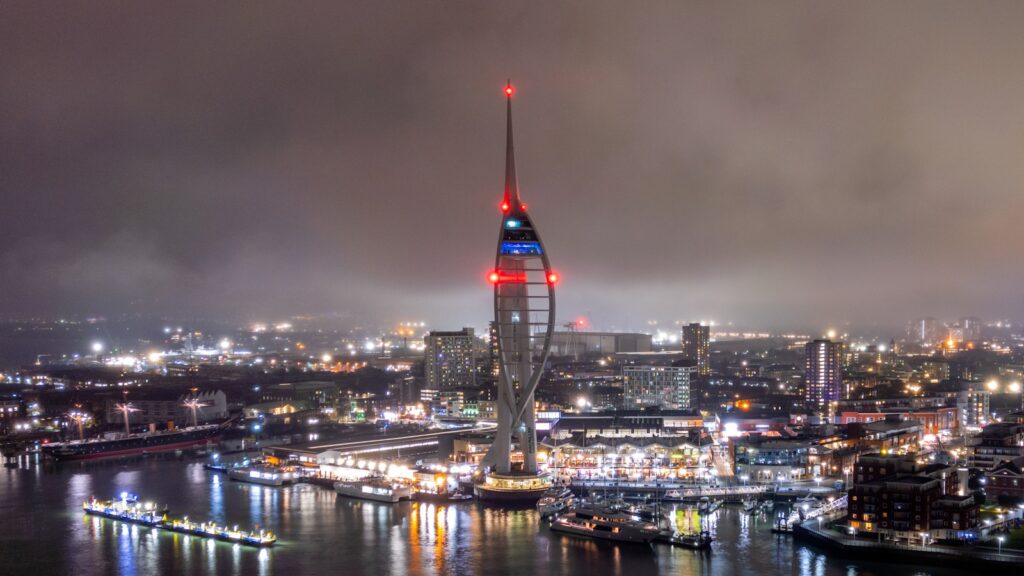
Photo: Frans Ruiter / unsplash
Leave a Reply