














A sharp jump in atmospheric methane in the early 2020s happened largely because the air temporarily lost some of its ability to scrub the gas away, while at the same time, tropical wetlands started releasing more of it, a new study has revealed.
Methane is the second biggest contributor to global warming after carbon dioxide and its levels had been rising slowly since 2007, but then something changed. In 2020, the growth rate shot up dramatically, reaching record levels but by 2023, it had slowed down again.
Scientists have been puzzling over what caused this sudden surge and fall, especially during the pandemic when human activity changed so quickly.
To find answers, a research team led by Philippe Ciais combined satellite data, ground measurements, computer models and detailed emissions records to piece together what happened to the world’s methane between 2019 and 2023.
They found the main driver wasn’t just more methane being released – it was a change in the atmosphere’s own chemistry.
The atmosphere has a natural cleaning system built around tiny, short-lived molecules called hydroxyl (OH) radicals – microscopic scrubbers that break down methane and stop it from building up. The study found that between 2020 and 2021, the number of these OH radicals dropped globally. With fewer scrubbers at work, methane stayed in the air longer and piled up faster.
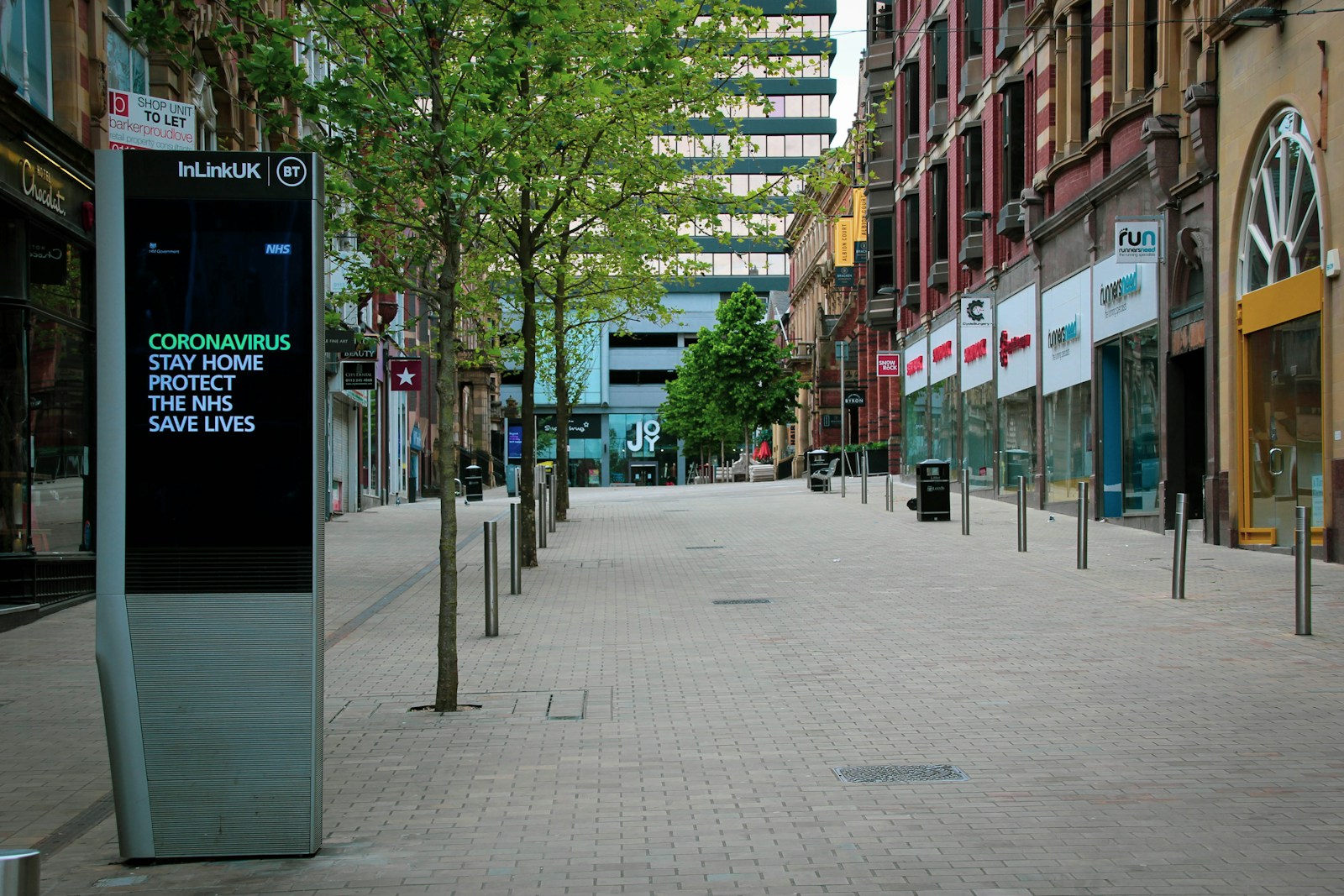
This drop in OH radicals appears to be linked to the pandemic. When lockdowns reduced traffic and industrial activity, emissions of pollutants such as nitrogen oxides and carbon monoxide also fell. These pollutants help drive the chemical reactions that produce OH radicals. So, paradoxically, cleaner air meant a less efficient methane scrubber.
Then, in 2022 and 2023, OH levels recovered, and methane growth slowed again. According to the study, this seesaw in the atmosphere’s cleaning power was responsible for about 80% of the year-to-year swings in methane levels.
At the same time, nature added to the problem. The study estimates that global methane emissions rose by roughly 22 teragrams a year between 2019 and 2020, mostly from wetlands and inland waters. The biggest increases came from tropical wetlands in Africa and Asia, as well as the Arctic. A long-lasting La Niña weather pattern brought wetter conditions to these regions, flooding more ground and boosting the activity of microbes that produce methane.
Chemical fingerprints in the methane confirmed it was coming from microbial sources like wetlands, not from fossil fuels or fires. But the researchers found that standard computer models underestimated how much tropical wetlands contributed, exposing a blind spot in current monitoring.
Writing in an accompanying article, scientists Euan Nisbet and Martin Manning stress that the findings reveal a delicate balance between natural emissions and the atmosphere’s own defences. In short, the methane spike wasn’t just about more gas being released – it was about the atmosphere temporarily letting down its guard.
The study helps explain one of the most dramatic methane fluctuations ever recorded and points to an urgent need for better monitoring of tropical wetlands and atmospheric chemistry as the planet continues to warm.
The full research can be accessed here
Photo: Gary Butterfield / Unsploash
Leave a Reply