









Portsmouth City Council’s proposed 14-year Clean Air Strategy has received strong public backing, but residents are clear that tackling traffic must be at its heart, a new consultation reveals.
The survey, which drew 715 responses, found that 73% of participants are concerned about air pollution in the city, with 69% believing their own neighbourhood is polluted some or all of the time. Support for the council’s mission statement and its ambition to meet World Health Organisation air quality targets was consistently high.
However, disagreement levels of up to 15% fell into two distinct camps: those who feel pollution is not a significant issue and resources should be directed elsewhere and those who believe the proposed measures do not go far enough and want stronger action on traffic reduction and public transport.
The consultation makes clear that residents view clean air primarily through the lens of transport. Road vehicles – cars, vans, lorries and HGVs – are overwhelmingly seen as the top two causes of pollution, cited by 60-65% of respondents. Freight traffic and shipping at Portsmouth International Port followed at around 30%.
Public health messages in the strategy are well understood, but respondents expressed scepticism about implementation, with some criticising the document as vague. A desire for measurable progress and clear success criteria was repeatedly voiced.
The most popular individual action was the use of natural infrastructure, with strong support for more greenery across the city. Conversely, promoting training for healthcare professionals attracted the lowest agreement, with respondents questioning whether this falls within the NHS’s remit or how it would be funded.
Some residents urged the council to lead by example, calling for solar panels on council buildings, improved housing stock, greener port activities and fully electric fleets before asking residents to change behaviour.
Females, younger people and people with disabilities consistently expressed higher levels of concern and stronger support for action. Just under half of respondents (49%) said they are worried about indoor air pollution, with 58% indicating they would find a checklist of practical measures useful.
In terms of pushback, the largest proportion of disagreement (21%) was with the council’s aim to achieve WHO air quality targets. Raising awareness of the air pollution harms of domestic wood burning failed to sit well with 15%
The consultation will now inform the final strategy, with the council expected to publish its response and detailed action plan later this year.
The full results of the consultation can be read here.
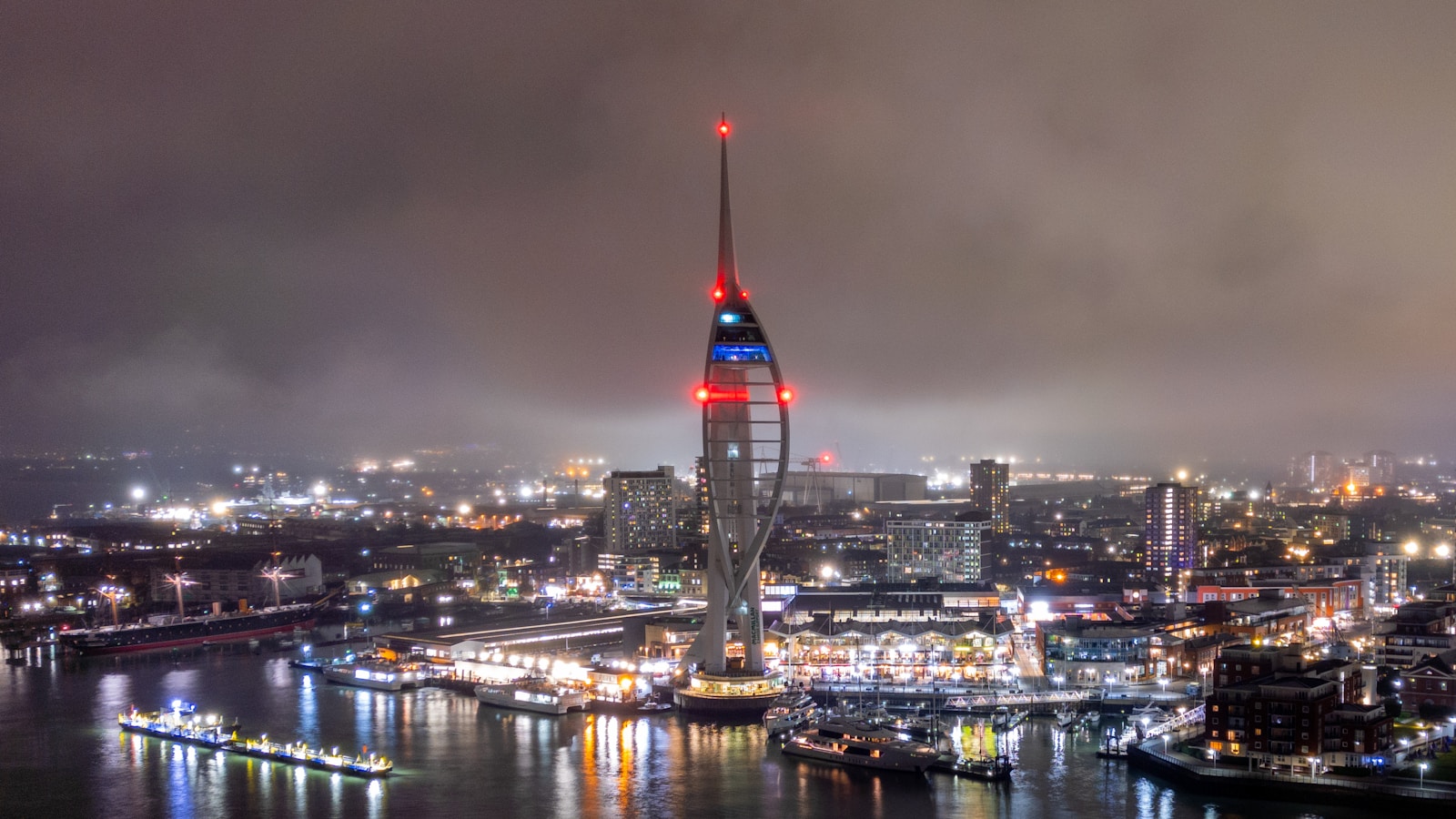
Photo: Ed Wingate
Leave a Reply