

















A major new study has raised significant questions about the little-understood chemical residues produced by the UK’s growing number of energy-from-waste facilities, revealing a complex mixture of minerals and trace metals that could pose environmental risks if not carefully managed.
In the most comprehensive study of its kind, researchers from the University of East London analysed 42 samples from 22 waste incineration plants across the UK, in order to understand what exactly is captured when these facilities clean their emissions.
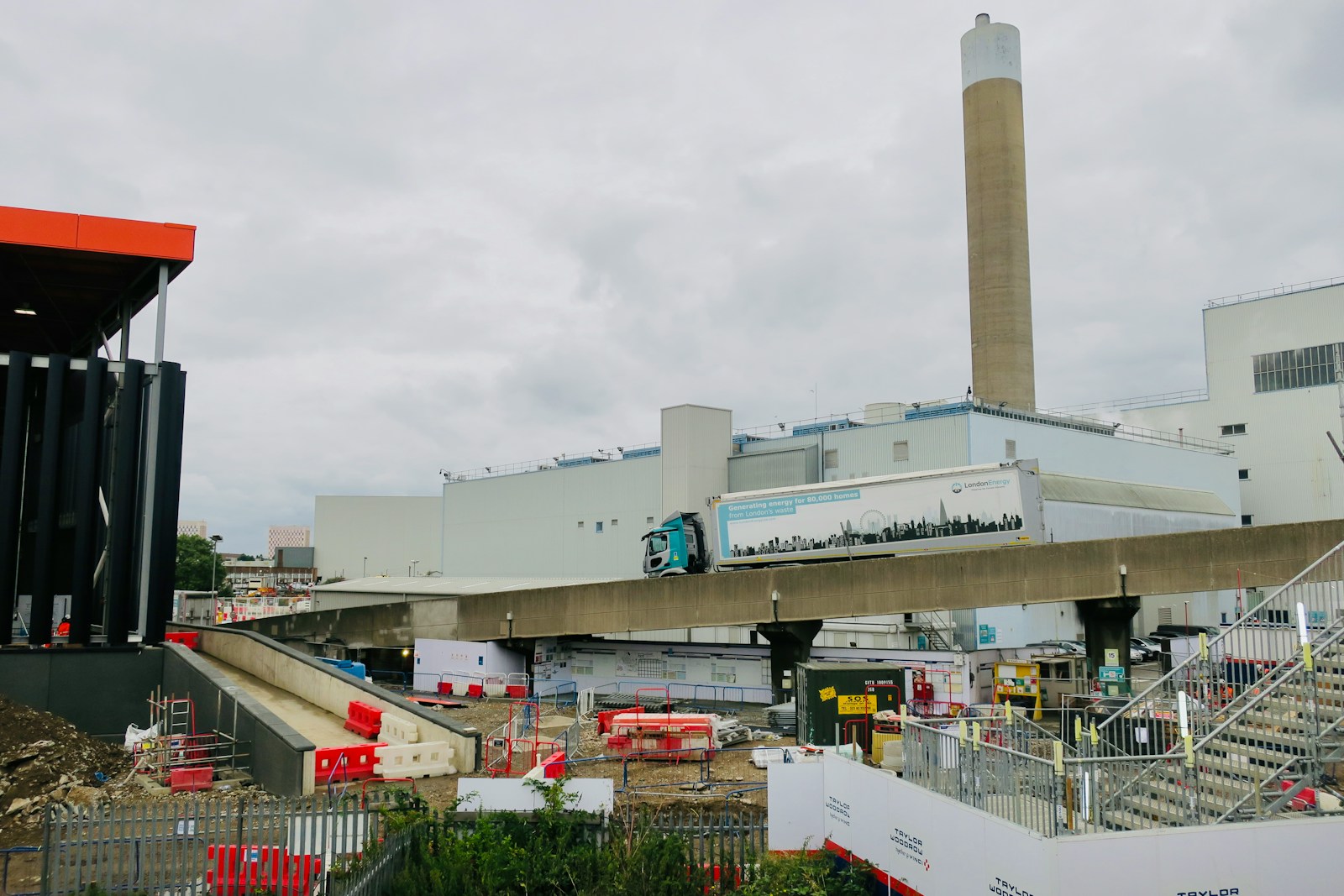
Energy-from-waste facilities, which burn household rubbish to generate electricity, are often presented as a cleaner alternative to landfill because they reduce waste volumes and capture harmful emissions before they enter the atmosphere. However, the new research highlights a less visible part of the process: the fine powder left behind when air pollution is filtered out of incinerator exhaust gases, known as air pollution control residues (APCr).
The findings show that this material contains a far more complex chemical cocktail than previously understood.
The study identified 45 distinct mineral phases within the residues, including 21 that have never before been reported in this type of waste. Among these were silicon-bearing minerals that could potentially be recycled into construction materials, alongside more problematic components.
Lead and chloride leaching from the residues frequently exceeded hazardous waste acceptance criteria, the researchers found. Other metals of concern included barium, molybdenum, chromium, zinc and copper, alongside soluble salts that could affect soil and water quality if released into the environment.
The residues were also highly alkaline, with pH levels between 11 and 13 – similar to household bleach – which influences how different metals behave when the material comes into contact with water.
As the number of energy from waste facilities grows so too does the volume of these hazardous residues requiring careful management.
The study offers some reassurance on one front: organic pollutants, including dioxins and furans, appear to remain largely locked within the solid material rather than leaching out. But the complex mineralogy identified suggests that simply landfilling or attempting to reuse these materials without fully understanding their properties could create long-term environmental problems
Currently, APCr is classified as hazardous waste and must be treated before disposal, often through processes that lock the harmful components into stable forms. Some facilities are exploring whether the material could be recycled – for example, as an ingredient in cement or construction products.
Dr Bamdad Ayati, who led the research at UEL’s Sustainability Research Institute, said: ‘Energy-from-waste facilities play an important role in reducing landfill and recovering energy from materials that would otherwise be discarded.
‘However, the residues produced during air pollution control contain complex mixtures of minerals and trace elements. Understanding their physicochemical properties is essential if we want to manage them safely and explore sustainable options for reuse.’
With the UK’s energy-from-waste capacity continuing to expand, the amount of APCr produced each year is also rising. The researchers suggest their findings could inform treatment strategies, including washing techniques to remove soluble salts or carbonation processes that could stabilise the material and even lock away carbon dioxide.
Dr Ayati added: ‘With the right knowledge, we can reduce environmental risks while identifying opportunities for more sustainable material management.’
The full research can be read here.
Photo: Rose Galloway Green
Leave a Reply