















Only 13 countries met WHO air quality guidelines in 2025, as wildfires and industrial pollution worsened conditions globally, with Central and South Asia remaining the most affected regions, according to the annual IQAir report.
The 2025 IQAir World Air Quality Report serves as a critical barometer for the state of the world’s air, revealing a planet where progress is fragile and environmental shocks are becoming the norm.
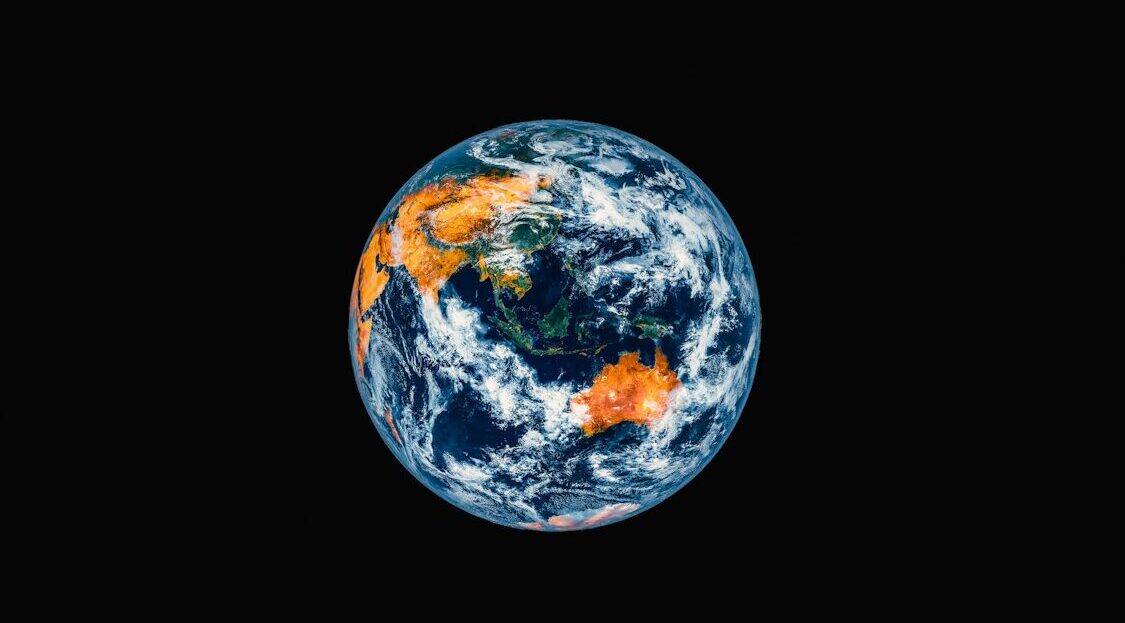
Drawing data from over 40,000 monitoring stations across 9,446 cities in 143 countries, the report finds that air pollution has finally broken through as a top-tier global risk, prompting new action from international bodies like the UN and the World Health Assembly. Yet, despite this growing awareness, clean air remains an elusive goal for the vast majority of the world’s population.
In 2025, only 13 countries met the World Health Organization’s strict annual PM2.5 guideline, a decline driven largely by climate change-exacerbated wildfires that swept across North America, Europe, and South Korea.
Central and South Asia continued to dominate the rankings of the most polluted regions, with Pakistan, Bangladesh, and India recording hazardous annual averages. However, the report also highlights a shifting landscape.
In China, air quality improvements in eastern industrial hubs were offset by rising pollution in the west due to industrial relocation, while Southeast Asia saw mixed results as Indonesia made gains but Vietnam’s capital, Hanoi, suffered its sixth consecutive year of deterioration.
The report also underscores a deepening reliance on citizen scientists and low-cost sensors to fill gaps where government monitoring is sparse, particularly in Africa and West Asia. As the world grapples with the dual challenges of industrial emissions and climate-induced wildfires, the report concludes that clean air is not a static achievement but a fragile asset requiring constant, proactive stewardship.
IQAir Global CEO Frank Hammes said: ‘Air quality is a fragile asset that requires active stewardship to protect public health. The 2025 World Air Quality Report makes clear that without monitoring, we cannot fully understand what’s in the air we breathe. Expanding access to real-time data empowers communities to act. By reducing emissions and addressing climate change, we can drive meaningful, lasting improvements in global air quality.’
Most Polluted Countries (by Population-Weighted Average)
- Pakistan: 67.3 µg/m³
- Bangladesh: 66.1 µg/m³
- Tajikistan: 57.3 µg/m³
- Chad: 53.6 µg/m³
- Democratic Republic of the Congo: 50.2 µg/m³
- India: 48.9 µg/m³
Note: Central and South Asia continue to be the most polluted regions globally.
Regional Highlights
-
Central & South Asia: Home to 17 of the world’s 20 most polluted cities. Delhi, India, and Lahore, Pakistan, experienced severe spikes, with New Delhi seeing protests in November as PM2.5 neared 460 µg/m³.
-
East Asia: China saw a slight decline to 29.6 µg/m³, but a geographic shift is pushing pollution west due to industrial relocation. South Korea battled historic wildfires in March-May, which scorched 43,000 acres and degraded air quality.
-
Southeast Asia: Indonesia had the highest regional average (30 µg/m³) but saw a 16% improvement. Vietnam continued to deteriorate, with Hanoi recording its sixth consecutive year of rising pollution. Thailand passed the Clean Air Act, introducing a “polluter pays” principle.
-
Africa: Data coverage expanded significantly. Chad and DR Congo remain among the most polluted. A South African court ruled the government failed in its duty to enforce air quality regulations in the Highveld region.
-
Europe: Finland, Iceland, and Andorra were the only countries in the region to meet the WHO guideline. Eastern Europe, particularly Bosnia and Herzegovina and North Macedonia, recorded higher pollution levels.
-
Northern America: Worsened due to severe wildfire activity. Canada’s national average rose 10%, and the proportion of cities meeting WHO guidelines fell from 29% to 23%.
-
Latin America & Caribbean: The region is home to the majority of countries meeting WHO guidelines (e.g., Puerto Rico, Barbados). Brazil saw a 33% reduction in its annual average, though the ‘Devastation Bill’ raised concerns about future environmental rollbacks.
-
Oceania: Remained the least polluted region. However, New Zealand exceeded the WHO guideline for the first time since 2021, largely due to residential wood burning.
Key Drivers of Pollution
-
Wildfires: Fueled by climate change, wildfires were a primary global driver of degradation, severely impacting South Korea, Canada, the United States, and Brazil.
-
Industrial Relocation: In China, heavy industry moving west has created new pollution hotspots.
-
Transboundary Haze: Remains a persistent struggle in Southeast Asia, with smoke from Indonesian fires affecting Malaysia and other neighbours.
-
War: In Ukraine, conflict continues to cause acute pollution spikes due to infrastructure destruction, fires, and the use of alternative heating fuels.
Monitoring Status
-
Global Gaps: Africa and West Asia remain severely under-monitored, accounting for only about 1% of global stations each.
-
Public Contribution: Non-government monitors (citizen scientists, low-cost sensors) provided the only real-time data for 56 countries, highlighting the critical role of community-led monitoring.
Dr. Aidan Farrow, Senior Scientist, Greenpeace International. said: ‘The World Air Quality Report reveals two competing realities: an air pollution crisis and the rise of communities, scientists and data working to meet the challenge.
‘In 2025, familiar culprits like industrial agriculture, wildfires and fossil fuels left their mark in the data collated by IQAir worldwide. This open, transparent data is an essential tool for holding polluters accountable and securing a healthy environment for everyone.’
The report can be downloaded here.
Photo: ostudio
Leave a Reply