
















The devastating droughts that struck Africa’s Sahel region in the 1970s and 1980s and the subsequent return to wetter conditions were driven primarily by anthropogenic aerosols rather than greenhouse gases, according to new research.
The Sahel droughts of the late 20th century were not a single event but a prolonged climatic disaster of huge proportions, one that stands as a defining humanitarian crisis of the modern era.
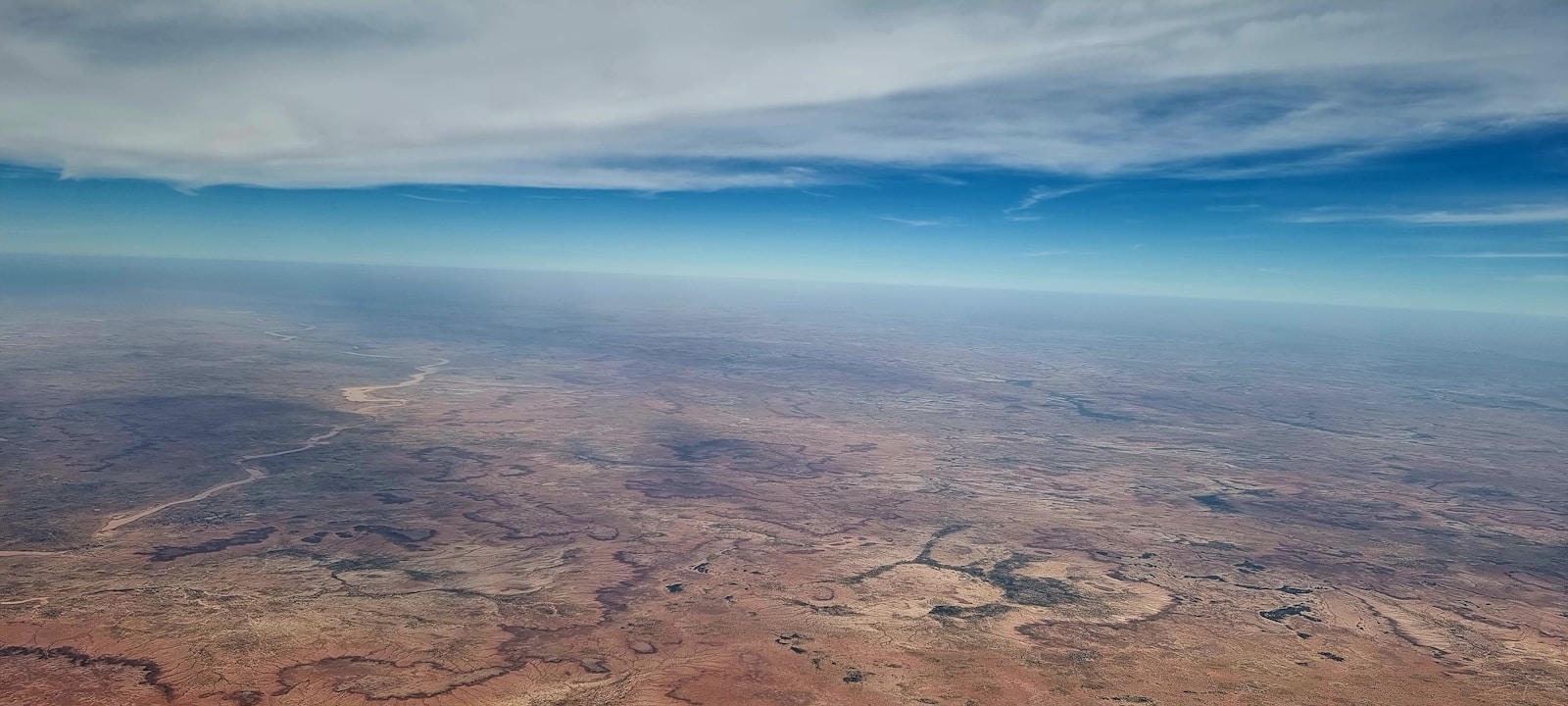
While the Sahel, a semi-arid belt stretching across Africa just south of the Sahara, has a history of drought spanning centuries, the late 20th-century event was unprecedented in its severity and duration. The period from the late 1960s through to the 1980s saw a dramatic and sustained decline in summer monsoon rains, on which the region’s agriculture depends almost entirely. The two most devastating spikes in this long-term drying trend occurred from 1968 to 1974 and again in the early to mid-1980s .
The failure of the rains led to a catastrophic humanitarian crisis. Across Sahelian nations like Mauritania, Mali, Chad, Niger, and Burkina Faso, crops failed and livestock perished on a massive scale. The immediate consequence was widespread famine. Estimates suggest that the droughts claimed around 100,000 lives by 1973, with some reports indicating the death toll may have exceeded one million . Beyond the loss of life, the drought caused immense suffering and societal disruption, leaving 750,000 people dependent on food aid and affecting an estimated 50 million people across the region .
The drought’s impact was amplified by a vicious cycle of land-atmosphere feedback. As rain became scarce, vegetation cover died off and soil moisture evaporated. This degradation of the land surface, a process exacerbated by overuse of natural resources, led to increased desertification, which in turn made the region even more prone to continued dry conditions. By some estimates, the Sahara Desert was advancing by as much as 9 kilometers per year in some areas during this period .
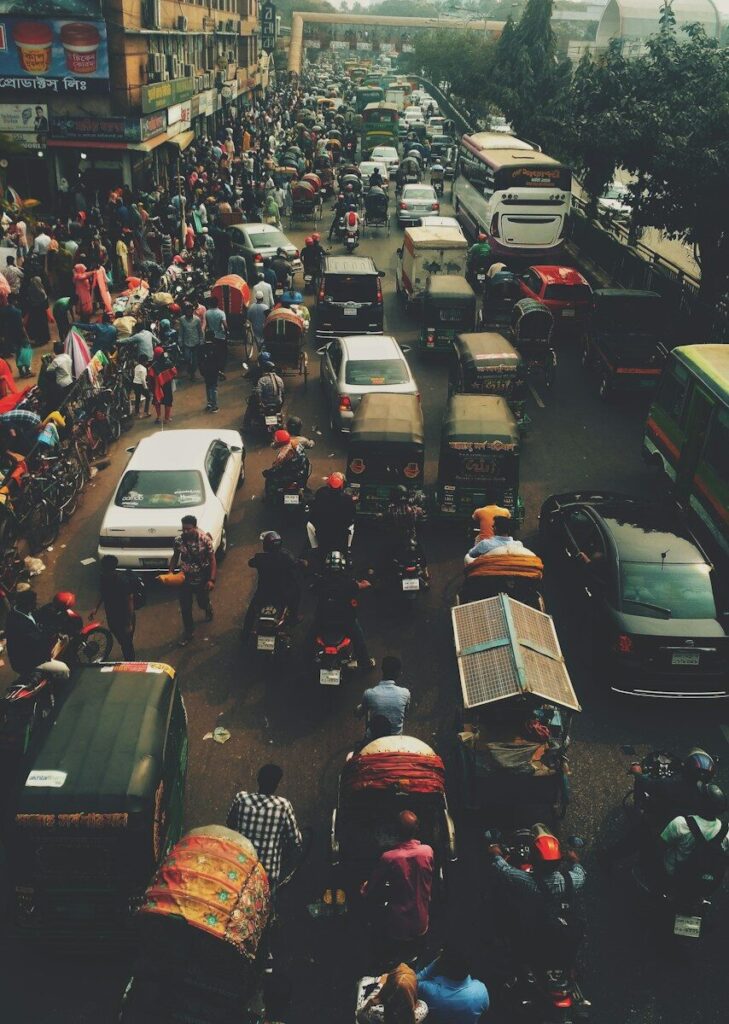
For decades, the precise cause of the drought was a mystery, with explanations ranging from natural climate variability to the effects of greenhouse gases. However, researchers at GEOMAR Helmholtz Centre for Ocean Research Kiel are now offering a conclusive answer: the primary driver was industrial pollution from Europe and North America.
The researchers analysed a collection of climate simulations from 14 different models to isolate the effects of various human influences. The results show that aerosol emissions, particularly sulphur dioxide from Europe and North America – played an overriding role.
Greenhouse gases, while contributing to overall warming and long-term mean rainfall increases, did not produce the phase shift from drought to recovery. In a modelled world without aerosol variations, the Sahel drought and recovery did not occur.
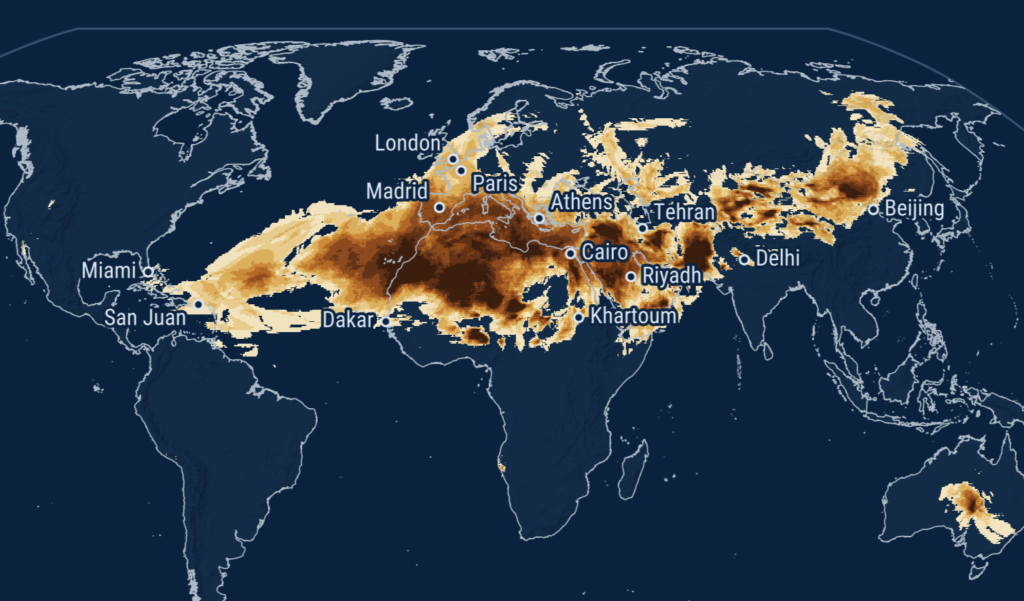
During the 1970s and 80s, high levels of these emissions, particularly sulphates, reflected sunlight and cooled the Northern Hemisphere. This, in turn, slowed down the massive atmospheric circulation known as the Hadley Cell, effectively pushing the life-giving monsoon rains away from the Sahel. The analysis found that aerosol forcing was 3.5 to 5.3 times more influential than greenhouse gases in driving the drought.
The eventual recovery of Sahel rainfall from the 1990s onward is directly linked to the clean air policies enacted in the US and Europe. As aerosol emissions plummeted, the Northern Hemisphere warmed rapidly, restoring the temperature balance and allowing the monsoon to return.
Hyacinth Nnamchi, co-author of the research said: ‘When we talk about climate change, the conversation usually centres on the greenhouse gases—especially carbon dioxide. There’s a profound lesson here. Greenhouse gases are global and long-lived, they mix evenly throughout the atmosphere.
‘On the hand, aerosols are regional and short-lived. They stay near their sources, decrease from there, and create gradients. These gradients drive shifts in the atmosphere in ways we’re only beginning to appreciate.
‘Climate change projections for the Sahel – and indeed all monsoon regions around the world—can no longer assume that the future is predictable by greenhouse gases. Where aerosols are rising or falling is probably more important.’
The full research can be read here.
Photo: Michel Isamuna
Leave a Reply