



















A comprehensive scientific review has concluded that microplastics are now a ubiquitous component of the air we breathe, infiltrating human lungs from sources as varied as synthetic clothing, tyres, 3D printers and even spray paint.
The report, Exploring Everyday Microplastic Exposures, commissioned by the Plastic Soup Foundation and written by Dr. Heather Leslie, synthesises over 350 peer-reviewed studies, offering a comprehensive picture of how modern life has made plastic particles an inescapable part of the human environment, with inhalation emerging as a key exposure route.
While much public attention has focused on microplastics in seafood and bottled water, the report highlights that indoor air can be significantly more polluted than outdoor air. Humans breathe roughly six litres of air per minute, giving airborne particles direct access to the nose, throat and lungs.
The report highlights how encased in plastic the modern indoor environment is, with paint, PVC flooring, carpets, synthetic curtains and upholstery all continuously shedding microscopic fragments.
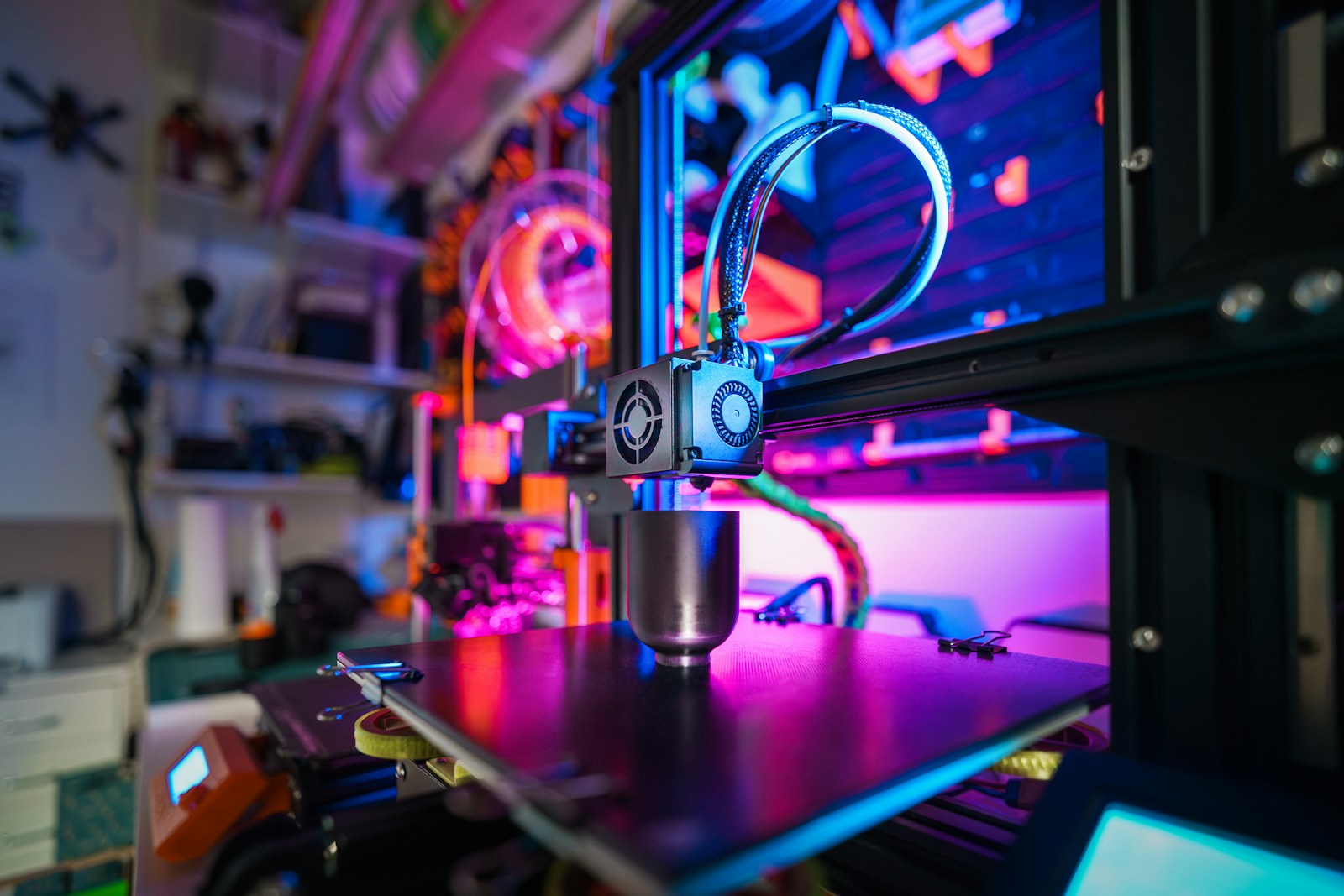
One striking finding involves 3D printers, now common in schools and libraries. The review notes that printing with ABS plastic can release between 2 billion and 4 billion nanoplastics per second into a room’s air.
Other studies cited found that simply wearing a polyester garment for 20 minutes of normal activity released over 300 microplastic fibers per gram of fabric.
Outdoors, vehicle tyres made of synthetic rubber are estimated to release nearly 6 million tonnes of microplastics globally each year. These particles become airborne, contributing to particulate matter pollution alongside exhaust emissions. Even mountain bike tyres were found to emit measurable microplastics.
Paint represents another massive, often overlooked source. Spray painting is notably inefficient: 50–60% of the paint never reaches the target surface, becoming airborne aerosolized plastic. Weathering and removal of old paint layers add hundreds more tonnes annually.
The report also documents microplastic deposition in outdoor air, with London recording between 575 and 1,008 particles per square meter daily. In protected wilderness areas of the United States, over 1,000 tonnes of microplastics fall from the sky each year.
Possibly the most alarming element of the research concerns stratospheric aerosol injection, a proposed form of climate engineering which would cool the Earth by releasing polymer microparticles between 2 and 20 microns in size into the upper atmosphere.
Maria Westerbos, Founder of Plastic Soup Foundation, said: ‘This report highlights the hidden reality of plastic in our lives. Many people still think of plastic pollution as something that affects oceans and beaches, not their own health. But our living environments themselves are microplastic generators, and exposure is happening all the time, in ways most people have never considered.
‘This doesn’t have to be a story of helplessness. Understanding where exposure comes from empowers people to make more informed choices about the products they use and to demand more from the governments and industries responsible for putting those products into our lives.’
Dr Heather Leslie, author of the study added: ‘Exposure is happening all the time, not only from products we recognize, but from systems and processes that most people would never consider. This is not just about waste or environmental pollution, it is about the materials that manufacturers have built into our world, and the particles they continuously release into the spaces we live in.
‘When plastic stops being the answer to almost every design question – from teabags to towels to toys and beyond – humanity can end up successfully abating the microplastic storm.’
Read more about the research here.
Photo: Jakub Żerdzicki / Unsplash
Leave a Reply