














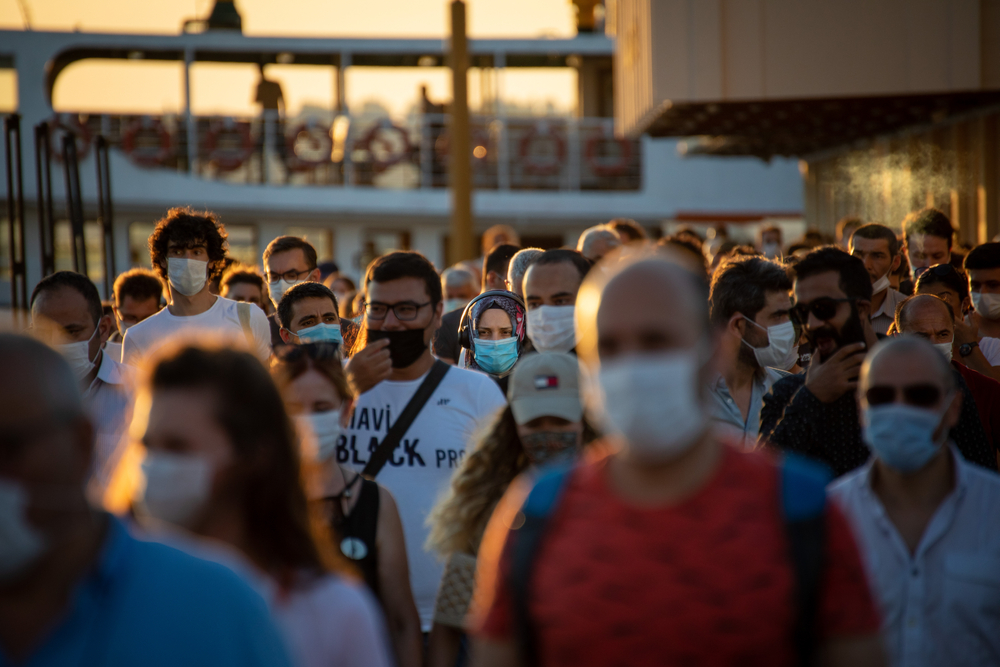


New research estimates that exposure to fine particulate air pollution is robbing the global population of nearly 65 billion IQ (intelligence quotient) points, with the worst affected being those in low- and middle-income countries.
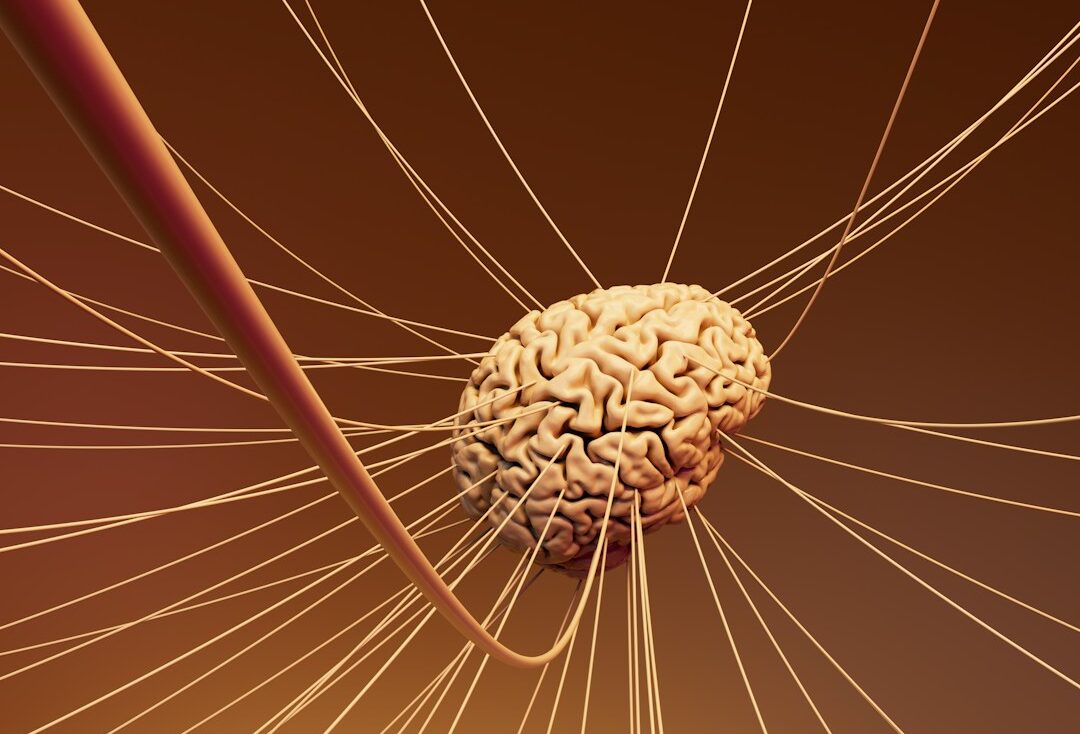
The conclusion reframes air quality not just as a matter of lung and heart health, but as a critical determinant of human intellectual potential. It synthesises a growing body of evidence linking PM2.5 to reduced cognitive performance and neurological harm, beginning in the womb and continuing across the lifespan.
The researchers used worldwide data on PM2.5 pollution levels from 2023. They then used a mathematical formula (a ‘log-linear model’) to calculate how much IQ might be affected. This formula was based on what is known from previous studies about the link between he amount of pollution children are exposed to and how their cognitive abilities develop.
They estimate the average per-person IQ loss attributable to air pollution during neurodevelopment at between one and two points globally, with some countries facing losses of nearly 20 points.
The authors write: ‘When multiplied across the world’s population, this amounts to a total of 65 billion IQ points lost.’ To put this in context, the effects are comparable in scale to (although more widespread than) well-known prenatal risk factors such as maternal smoking or alcohol consumption.
As with many thing air-quality related, the analysis reveals notable global inequalities. Countries with lower national incomes bear a disproportionately higher cognitive burden. A statistical analysis found a significant effect of income group on estimated IQ loss, with upper-middle-income and high-income countries faring substantially better than their less wealthy counterparts.
This disparity is driven by both higher exposure levels and fewer resources to mitigate impacts. Deprived communities often live closer to pollution sources and in poorer housing with inadequate insulation or ventilation, compounding their risk.
The physical mechanisms driving these cognitive impacts are complex. PM2.5 can penetrate deep into the body and translocate to the brain, triggering inflammation and oxidative stress. Heavy metals within PM, such as cadmium, manganese and arsenic, are particularly neurotoxic and have been linked to lower childhood IQ scores and adverse behavioural outcomes.
The findings challenge the adequacy of current air quality guidelines, which are predominantly based on evidence concerning cardiovascular and respiratory health. The World Health Organization’s recommended limits may not be sufficient to protect neurological health, the researchers argue.
The study also highlights a critical gap in regulatory protection: ‘Cognitive impacts can occur even at levels below current WHO guidelines,’ they say.
The implications, both economic and societal, are dramatic. Lower IQ translates into reduced productivity, lower lifetime earnings and higher healthcare costs. Dementia alone already costs the global economy an estimated $1.3 trillion annually.
The authors call for a fundamental reframing of air quality policy. Environmental regulation should explicitly recognise cognitive health as a protected outcome, alongside physical health. This means reassessing PM2.5 limits with respect to cognition, paying greater attention to where exposure occurs – such as homes, schools and workplaces – and moving beyond particle mass alone to consider chemical composition and toxicity.
They conclude: ‘This threat to global intellect requires nuanced regulation, targeted mitigation, and cross-sectoral policy. The challenge now is to ensure that progress continues, and that cognitive health is no longer overlooked. Clean air is not just about breathing easier. It is about safeguarding our collective intelligence, reducing inequality, and protecting the cognitive foundations on which future societies depend.’
The full research can be read here.
Photo: notorious v1ruS / Unsplash
Leave a Reply