


















A High Court judge has quashed six Low Traffic Neighbourhood schemes in Croydon after finding that the council’s dominant purpose in making them permanent was to raise revenue – an unlawful use of its powers.
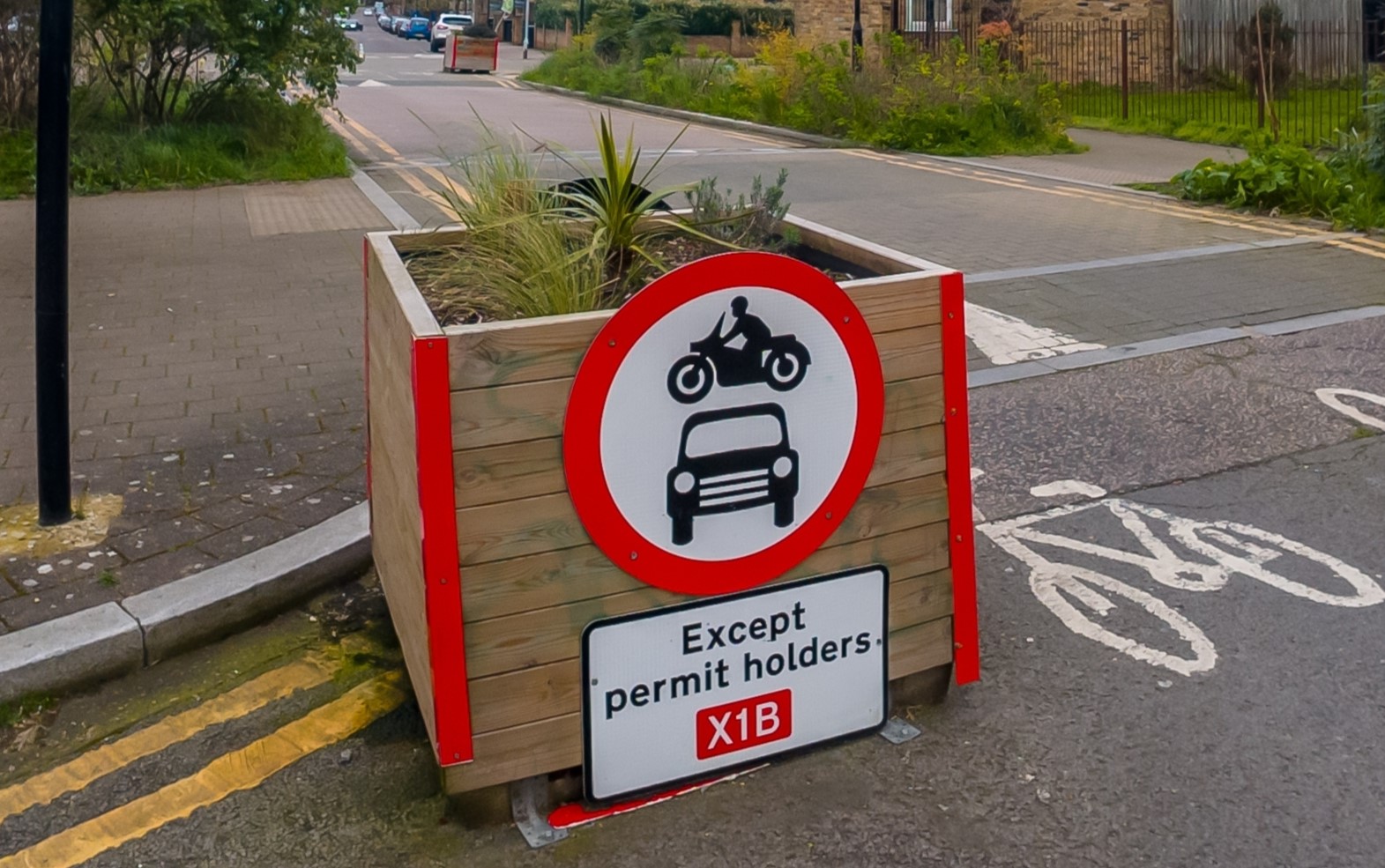
The case, brought by local resident Karen Lawrence, challenged decisions made in March 2024 to make permanent six schemes originally introduced as trials in 2020. The schemes used cameras to enforce road closures, with exemptions for permit holders.
The legal battle became mired in procedural complexities, with disputes over whether the claim had been filed and served on time. But after unpicking what Mr Justice Pepperall described as a ‘procedural dog’s breakfast,’ the judge ultimately ruled that it was open to him to consider the merits.
On the substance, the judge found that while the officer’s report to councillors cited road safety and air quality benefits, the real driver was financial. The schemes were projected to raise £10.7 million over four years, and Croydon – which had issued section 114 notices in 2020 warning it could not balance its books – had built that income into its budget.
The elected mayor, Jason Perry, had campaigned against the schemes before his election in May 2022. After taking office, he acknowledged that he could not simply remove them because ‘the council’s budget is predicated, partly of course, on that decision.’ When asked about the decision after the vote, he told the Telegraph: ‘I do not feel that I am in a position to reverse it.’
The judge accepted that the officer’s report identified ‘tangible, but perhaps modest’ benefits. But he concluded that the mayor’s ‘lack of public enthusiasm for the road safety or health case’ and his repeated comments that his hands were tied by budgetary considerations pointed to an unlawful purpose.
The judge said: ‘Taking the relatively modest benefits of the schemes together with the mayor’s apparent lack of public enthusiasm for the road safety or health case for these schemes, and his clear and repeated comments before and after the vote as to his hands being tied by the budgetary considerations, I am satisfied on the balance of probabilities that the dominant purpose for these orders making the schemes permanent was the need to safeguard the revenue raised by enforcement.
‘Such purpose was unlawful and I therefore quash the orders.’
The judgment notes that raising revenue is not among the statutory purposes of the Road Traffic Regulation Act 1984, which requires traffic authorities to have regard to the safe and convenient movement of traffic, access to premises, air quality, and other specified matters.
Croydon Council resisted the claim throughout, arguing that the decision was lawful and that the mayor had approached the issue with an open mind. The judge accepted that the starting point was to infer the council acted lawfully, but found the circumstantial evidence assembled by the claimant sufficient to rebut that presumption.
Leave a Reply