















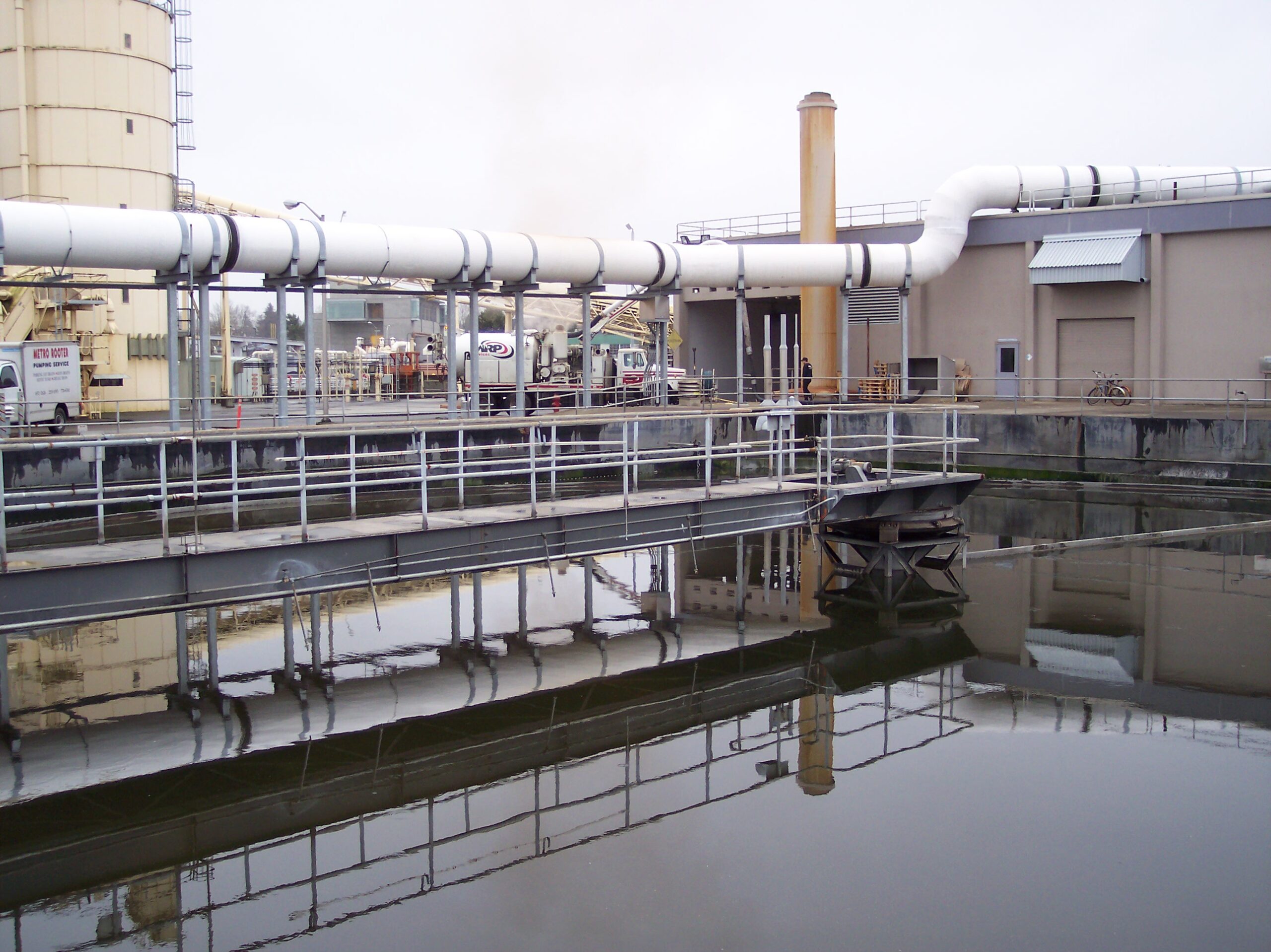
Countries around the world are significantly under-reporting greenhouse gas emissions from wastewater treatment, creating a blind spot in global climate accounting that could undermine efforts to meet net-zero targets, new research has revealed.
The study analysed national inventory reports from 38 countries and found widespread omissions and inconsistencies in methodology.
The researchers estimate that these gaps amount to between 52 and 73 million metric tons of unreported carbon dioxide equivalent emissions every year across the countries studied.
When extrapolated globally, the figure rises to between 94 and 150 million tonnes annually, equivalent to the total emissions of many mid-sized nations.
The wastewater sector is a major source of methane and nitrous oxide, both potent greenhouse gases. Methane accelerates the formation of ground-level ozone, which harms human health and crops, while nitrous oxide contributes to water pollution and ecosystem damage.
But the study found that national reporting is patchy and inconsistent. Some countries omit entire categories of emissions, such as those from septic tanks, latrines or the discharge of untreated wastewater. Others rely on outdated default emissions factors from 2006, which significantly underestimate emissions from modern treatment plants.
For methane, the most frequently included sources were septic systems and treatment plants, but emissions from latrines and untreated wastewater were often ignored. For nitrous oxide it was found that while most countries reported emissions from treated effluent, very few accounted for nitrous oxide from septic tanks or latrines, despite their widespread use in many parts of the world.
The study also found that developing countries tend to have lower coverage of nitrous oxide pathways, contributing disproportionately to the global reporting gap.
Switzerland was identified as a best-practice example, having recently expanded its inventory to cover all wastewater pathways. This revealed that decentralised systems serving just 1.3% of the population contributed an estimated 7% of the country’s total wastewater emissions.
The study highlights several priority areas for improvement: expanding coverage to include all relevant pathways, particularly in developing countries; updating outdated emissions factors to reflect real-world measurements; and improving data collection on wastewater leakage and treatment technologies.
Better accounting is not just a technical exercise, the authors argue. It is essential for establishing credible emissions baselines, designing effective mitigation strategies, and tracking progress towards climate goals.
With wastewater emissions expected to grow in relative importance as energy-related carbon dioxide declines, closing the reporting gap has become an urgent priority. Without more comprehensive and harmonised accounting, the world may be flying blind on a significant and growing source of climate pollution.
Zhiyong ‘Jason’ Ren who led the research said: ‘If you don’t have an accurate accounting, it’s hard to make good and right decisions, yet such decisions can have long lasting impacts. As a researcher, I want to understand the process better to put in better technologies and avoid, I don’t want to say disastrous, but very unfortunate scenarios.’
The full research can be read here.
Leave a Reply