



















New research reveals popular decorative fireplaces can seriously pollute indoor air, with formaldehyde and nitrogen dioxide frequently exceeding safety limits.
They are marketed as the perfect blend of modern design and eco-friendly heating – flueless bioethanol fireplaces that promise a real flame without the need for a chimney. But a new study from the University of Aveiro in Portugal suggests that these trendy appliances may come with a hidden health risk.
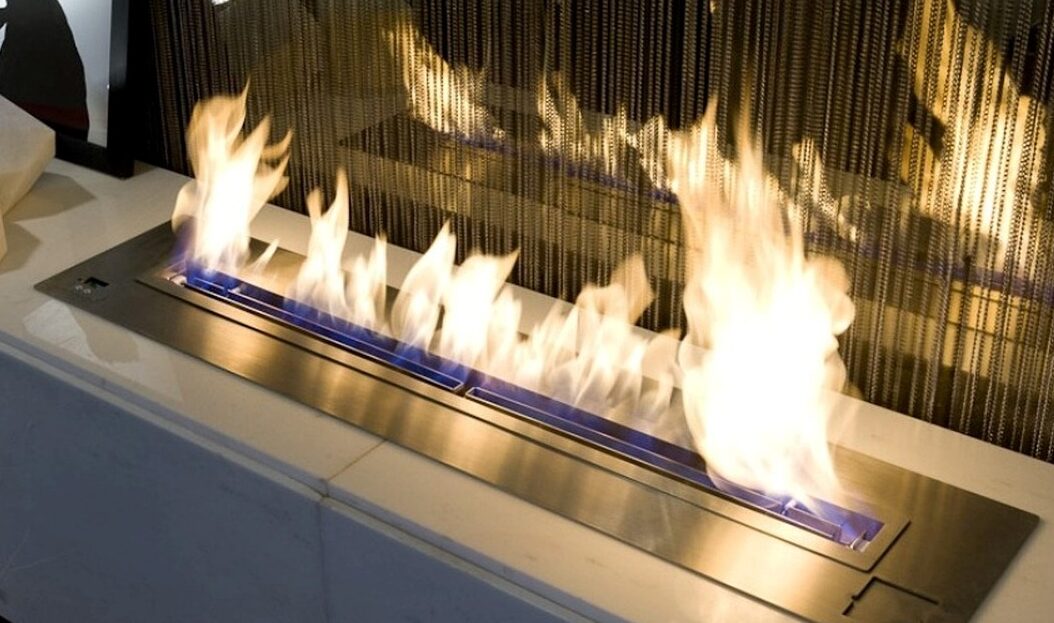
Bioethanol fireplaces burn a renewable liquid fuel called bioethanol, which is a type of denatured alcohol produced by fermenting plant-based materials such as corn, sugarcane, or other agricultural byproducts. The fuel is poured into a burner and ignited with a lighter. The result is a real, visible flame that produces heat, without the need for a gas line, electricity or a chimney.
Because they require no venting, these fireplaces are often described as flueless or vent-free. This is part of their appeal: they can be installed in apartments, bedrooms or even bathrooms, without the cost and complexity of a traditional fireplace.
However, this latest research has found that using a bioethanol fireplace in a poorly ventilated room can cause levels of harmful pollutants to soar, with some toxins repeatedly exceeding World Health Organization (WHO) safety guidelines.
The study, published in the Journal of Hazardous Materials, tested two types of commercial bioethanol fuel and two different burner designs under realistic conditions, with doors and windows closed.
During combustion, concentrations of nitrogen dioxide surpassed WHO short-term exposure limits in every single test scenario. Formaldehyde, a known carcinogen that can cause sensory irritation, also frequently exceeded safe levels. Both gases are byproducts of incomplete combustion.
Estela Vicente, the study’s lead author said: ‘Bioethanol fireplaces are often perceived as clean-burning, but our results show they can markedly deteriorate indoor air quality. The concentrations we measured, particularly for nitrogen dioxide and formaldehyde, are comparable to or even higher than those reported for traditional wood-burning appliances in some cases.’
The research also revealed that these fireplaces release significant amounts of PM₁₀. Average concentrations ranged from 31.5 to 173 μg/m³, with the highest levels exceeding WHO air quality limits by several times. When the flames were extinguished, particle levels spiked dramatically, a phenomenon the researchers liken to the ‘white smoke’ produced when blowing out a candle.
Furthermore, the study found that not all fireplaces are equal. A double-chambered burner design, intended to improve fuel distribution, actually produced higher levels of most pollutants compared to a simpler single-chambered version. Fuel choice also mattered: fuels with higher water content led to increased emissions of carbon monoxide and aldehydes.
The researchers were also able to assess the potential toxicity of the particles, finding they had high ‘oxidative potential’ which is a key indicator of a particle’s ability to trigger inflammation and oxidative stress in the body.
Based on their findings, the team offers practical advice for consumers: use higher-purity fuels with low water content, avoid filling burners to maximum capacity, and – most importantly – never operate these fireplaces without adequate ventilation. They recommend opening windows during and after use, particularly in smaller rooms.
As bioethanol fireplaces grow in popularity across Europe and beyond, the study’s authors argue that current marketing often overlooks a critical reality: what looks like a clean, convenient flame can, in the wrong conditions, become a significant source of indoor air pollution.
The full research can be read here.
Photo: adesifire
Leave a Reply