
















Air quality around the problematic Walleys Quarry has improved dramatically following the site’s closure, with new figures revealing a sharp fall in odour complaints and harmful gas levels after years of disruption for nearby communities.
Data presented to Newcastle-under-Lyme Borough Council shows that 1,620 odour complaints were recorded in January 2025 alone. By contrast, in the first two months of 2026, just a single complaint was logged, highlighting the scale of the turnaround.
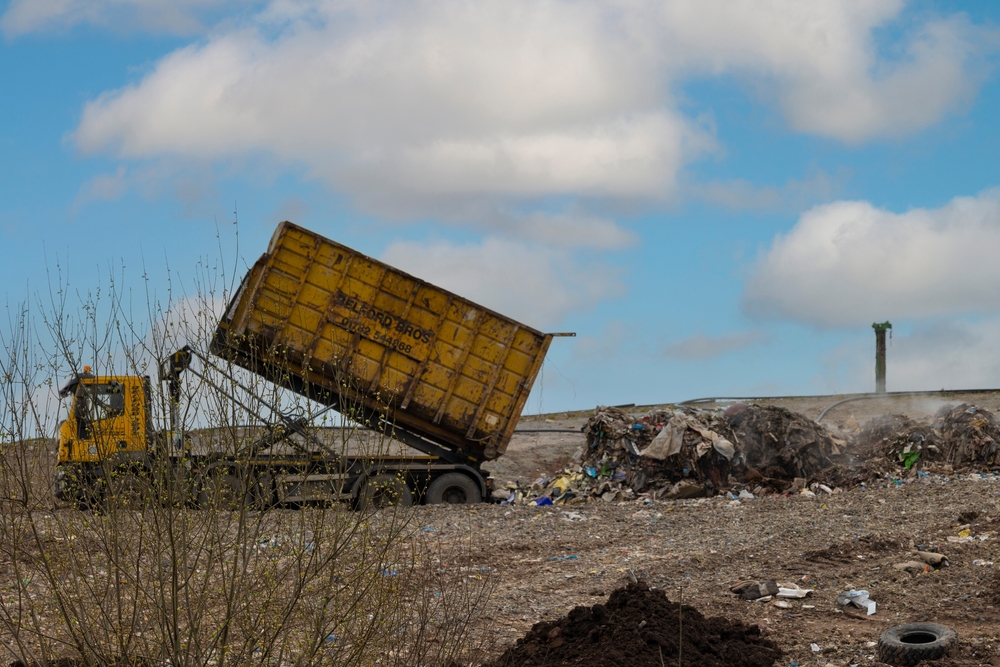
Air monitoring data tells a similar story. Hydrogen sulphide levels, which peaked at 1,850 μg/m³ in mid-January 2025, have since dropped to ‘minimal levels’. Monitoring stations jointly funded by the borough council, the Environment Agency and Staffordshire County Council have tracked the steady improvement.
The changes follow the collapse of Walleys Quarry Ltd, which entered liquidation in February 2025. With environmental permits disclaimed and no operator in place, the Environment Agency stepped in using emergency powers to prevent a potential pollution crisis.
Since then, contractors have carried out extensive works across the site. Early efforts focused on draining leachate – a contaminated liquid formed within landfill waste – and stabilising a problematic ‘void’ area. Repairs to capping, which helps contain landfill gas, have been a major priority, alongside upgrades to drainage and gas management systems.
More recently, work has progressed on refurbishing the site’s leachate treatment plant, with small volumes now being processed on site. This is expected to reduce the need for tanker movements while improving long-term environmental control. Ongoing maintenance of the landfill cap and infrastructure continues, although some works have caused temporary odour spikes.
The site had been a long-running source of complaints from residents in nearby Newcastle-under-Lyme and Stoke-on-Trent, prompting legal action by the borough council. An Abatement Notice was issued in March 2023 requiring the operator to prevent statutory odour nuisance, followed by further legal preparations in 2024 over continued emissions.
Simon Tagg, Leader of Newcastle-under-Lyme Borough Council, said: ‘The transformation for residents after the landfill’s closure is both remarkable and unsurprising.
‘Although the council was not the main regulator, we pursued legal action against the site operators because it was evident that things were terribly wrong there and it was our communities that suffered the consequences.
‘I disagreed strongly with how the EA regulated the landfill when it was operational, but now that it is supervising the remedial work required to control the site and minimise the risk of pollution, staff are doing an excellent job.’
Despite the recent improvements, councillors have called for a public inquiry into how the site was regulated over the years. They have also argued that full restoration costs should be met by the government.
The long-term future of the site remains uncertain, with questions still to be answered over its final restoration and oversight.
Leave a Reply