















The majority of London’s borough councils are still operating vehicle fleets predominantly powered by diesel, despite the capital’s clean air ambitions, new analysis shows.
Freedom of Information requests by Impact on Urban Health reveal that 71% of responding councils say diesel makes up most of their vehicles, which include bin lorries, street cleaners and maintenance vans that operate daily in residential areas. Based on the responses, London’s councils operate an estimated 5,000 diesel vehicles.
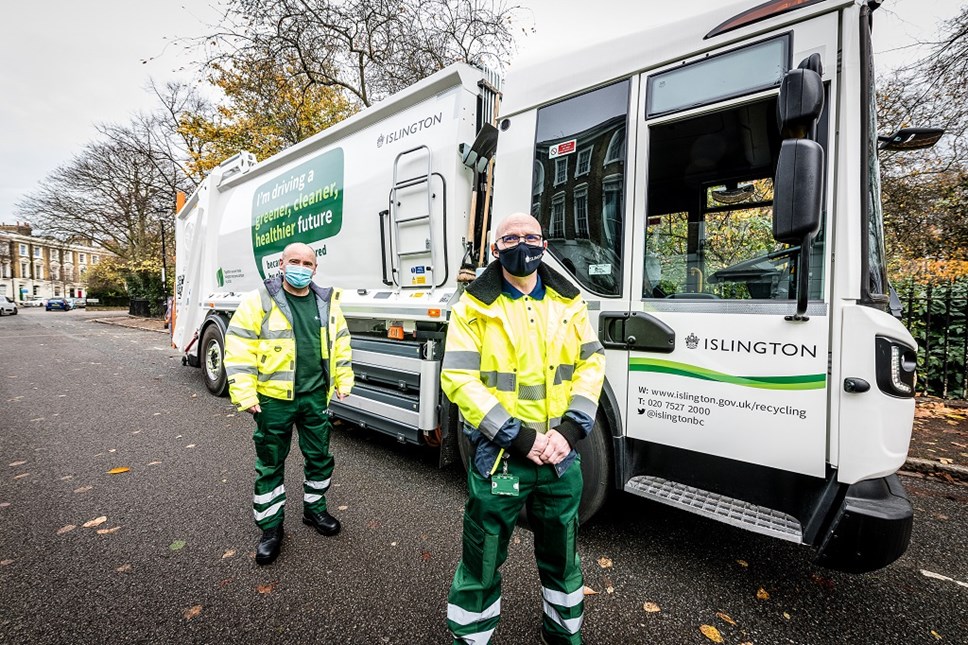
Islington Council has already introduced 150 fully electric vehicles
Lewisham Council are clear leaders in the transition, with 285 electric vehicles and just four diesel. Three other councils have over 50%
have electric and hybrid vehicles making up more than half their fleet: Hammersmith and Fulham (82%), Westminster (60%) and Kingston upon Thames (52%)
At the other end of the scale Hillingdon’s fleet is 97% diesel, Richmond’s 96% and Bexley 95%
While the ownership of diesel cars in London fell 44% between 2019 and 2023, every one of the 100 new vehicles Havering Council has acquired in the past five years is a diesel.
The sale of new petrol and diesel cars will be banned from 2030 and hybrids from 2035. New non-zero emission HGVs (≤26 tonnes) are not banned until 2035 and larger trucks until 2040.
Ben Pearce, Head of the Health effects of air pollution programme at Impact on Urban Health, said: ‘The air we breathe shapes our health. In too many London neighbourhoods, that air is dangerously polluted, and diesel vehicles are a major contributor. London’s councils are on the front line of delivering cleaner, healthier neighbourhoods, but too many are still operating fleets that add to the problem rather than help solve it.
‘We recognise the financial and logistical pressures local authorities face, but the health consequences of inaction are stark. Public bodies should be leading this shift, not making matters worse.
‘Lewisham has proven that rapid transition is possible. The challenge now is ensuring that all Londoners, regardless of where they live, can benefit from cleaner air equally. Councils must be supported to make the switch to cleaner vehicles.’
Barking, Camden, Croydon, Ealing, Enfield, Haringey, Harrow and Sutton did not respond to the Freedom of information request.
Leave a Reply