

















They may be our best friends, but new research reveals that dogs are also significant contributors to indoor air pollution – emitting everything from carbon dioxide and ammonia to fungi, bacteria and particulates that can linger in the home.
The study, published in Environmental Science & Technology, is the first to systematically quantify the chemical, particulate and microbial emissions from dogs under controlled conditions. Researchers from institutions including EPFL in Switzerland and the Finnish Institute for Health and Welfare placed groups of small and large dogs in a climate chamber to measure what they release into the air.
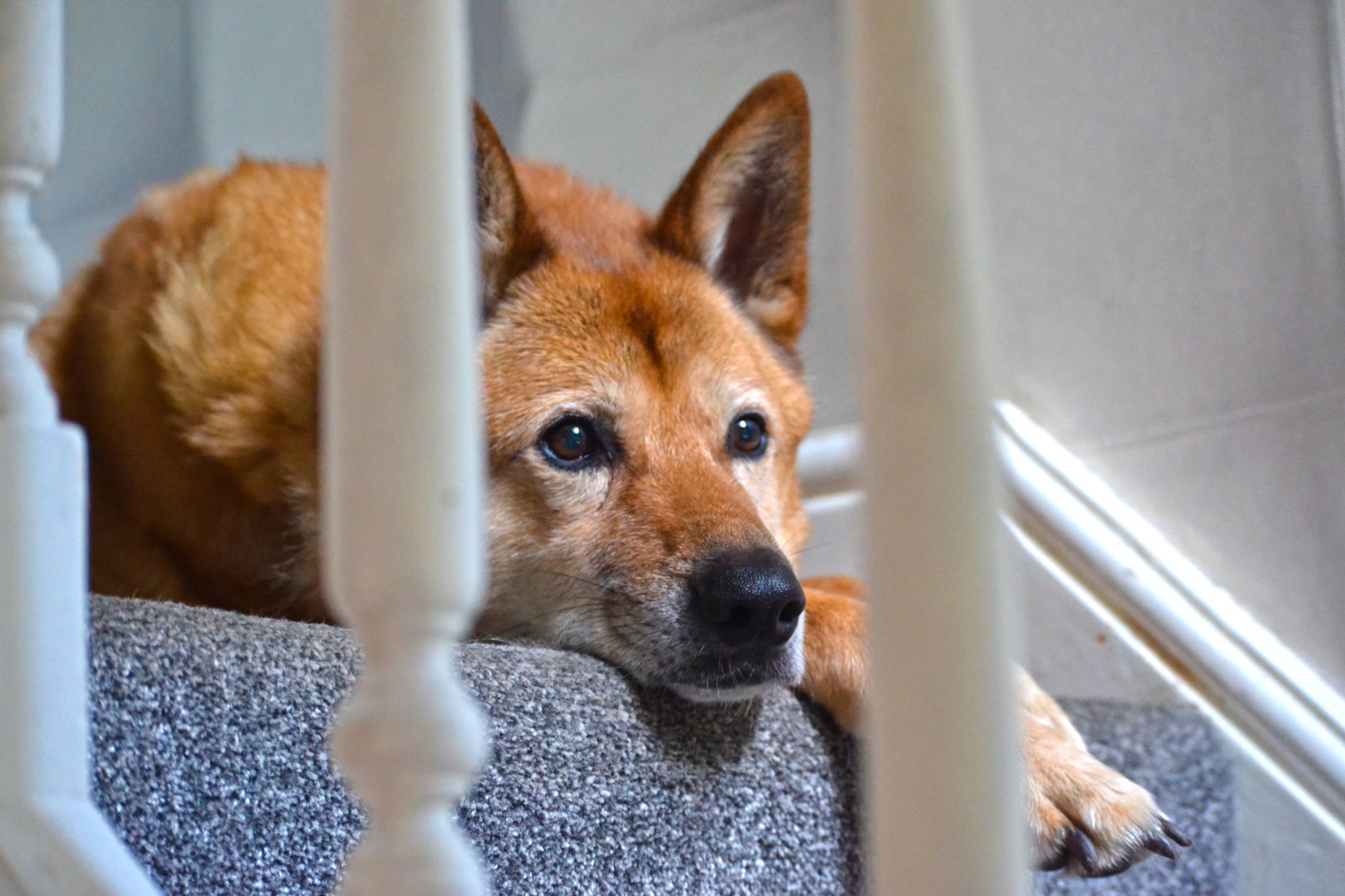
They found that big dogs emitted considerably more CO₂, ammonia, fungi and bacteria than small dogs, though particle emissions in the 1–10 μm range were similar across sizes. When ozone (a common indoor pollutant from sources such as printers and air purifiers) was present, all dogs contributed to the formation of nanocluster aerosols, possibly from ozone reacting with human skin oils transferred onto their fur during petting.
Compared to a seated adult, a big dog emitted comparable amounts of CO₂ and ammonia, two to four times more bacteria and fungi and significantly more coarse particles above 5 μm. These larger particles settle quickly but can be kicked back into the air when dogs move around, meaning they may occasionally make up the primary source of particle load in a person’s breathing zone.
The authors note that: ‘Despite dogs having accompanied humans for thousands of years, especially now as household pets, we still know surprisingly little about how they affect indoor air quality.’
The study also looked at the invisible cloud of microbes that dogs bring with them. Larger dogs, in particular, changed the mix of bacteria in the air, adding types commonly found on canine skin. Fungal spores, which were different in each owner’s home, became much more similar once dogs were present, suggesting the animals act as carriers, bringing outdoor fungi indoors.
The study distinguished between pollutants dogs produce themselves – through metabolic processes like breathing – and those they carry in from outside on their fur and paws. This ‘exogenous’ transport, especially pronounced in larger or longer-haired breeds, means dogs can serve as mobile bridges between outdoor and indoor environments, potentially introducing allergens, microbes and particles that wouldn’t otherwise be there.
The authors insist that their results have implications beyond curiosity. While current indoor air quality standards and building ventilation designs rarely account for pets as emission sources, the study shows dogs can emit pollutants at rates comparable to or exceeding those of a human adult. The authors argue that as pet ownership rises globally, integrating animals into indoor air quality research and environmental control strategies is essential for designing healthier homes, for both humans and the animals that live alongside them.
The full research can be read here.
Photo: Leon
Leave a Reply