










A new survey commissioned by the Welsh Government has revealed that while the public is concerned about air quality, significant gaps remain in understanding its sources and full health impacts.
The Wales Air Quality Awareness Survey, conducted by Ipsos and Air Quality Consultants, provides the first comprehensive baseline of public knowledge, attitudes and behaviours around air pollution across the country. It surveyed 1,474 adults and over 120 children between June and July 2025.
 The findings show that 72% of adults are very or fairly concerned about air quality, yet understanding is heavily shaped by what people can see. While 93% recognise industry and 91% identify transport as major pollution sources, awareness drops significantly for domestic heating (70%) and agriculture (64%).
Perhaps most strikingly, awareness of air pollution’s health impacts remains narrowly focused on respiratory conditions. While 95% of adults know air pollution can cause or worsen respiratory diseases, only 15% associate it with dementia, 14% with stroke and just 7% with diabetes.
‘The research indicates that while overall worry about the impacts of air pollution is high among adults, this concern is more frequently directed towards wider environmental and societal issues than personal health,’ the report states. For example, 80% are worried about impacts on future generations, compared with just 57% worried about their own health.
The survey also reveals a public that is willing to act but often unsure how. The largest single group of adults – 40% – said they would take more action to improve air quality but did not know what to do. A further 21% said they did not believe their individual actions would make a meaningful difference.
Car travel remains dominant, with 91% of adults having used a car in the past week, driven primarily by convenience (75%) and travel time (65%). Home heating is heavily reliant on combustion fuels, with gas used by 87% of households.
There is also a widespread perception that air pollution is ‘mostly a problem in cities, not rural areas’ -a view held by 57% of adults, 69% of 12-to-15-year-olds and 58% of younger children.
Encouragingly, 65% of adults believe individual actions can make a meaningful difference. However, those facing barriers to action most frequently cited poor public transport (35%) and cost (23%).
The research was commissioned to support implementation of the Environment (Air Quality and Soundscapes)(Wales) Act 2024, which sets new air quality targets and creates duties for Welsh Ministers to promote awareness of the risks.
The report concludes that while public concern provides a foundation for engagement, bridging the gap between awareness and action will require addressing specific knowledge gaps and practical constraints.
The report concludes.: ‘Understanding current public perspectives is therefore vital to inform and assess these efforts.’
The full report can be read here.
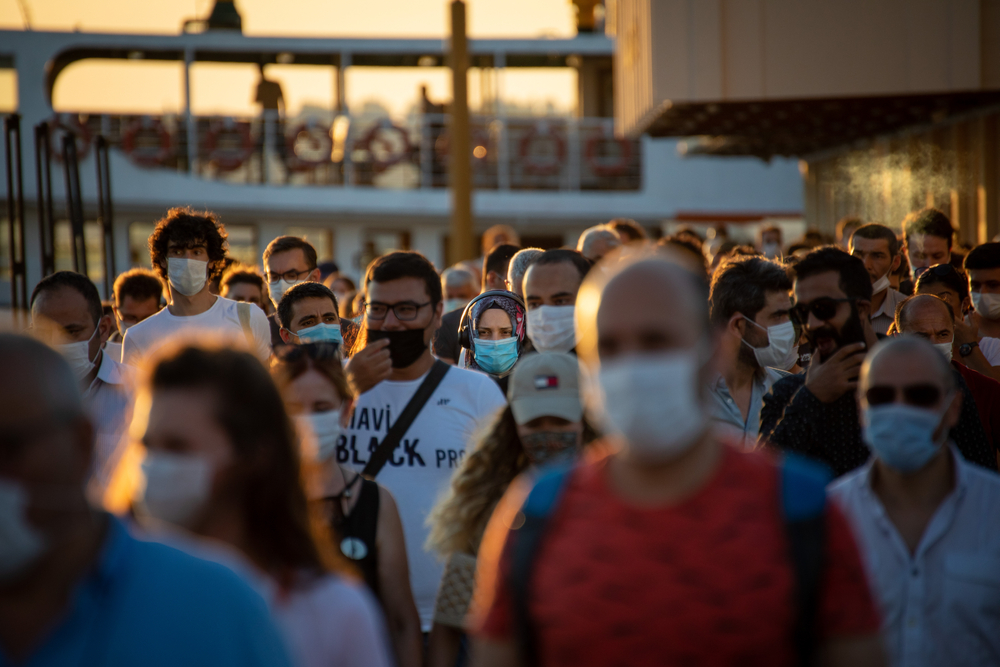
Photo: Jonny Gios
Leave a Reply