

















A large new study has found a strong link between pesticide exposure and cancer rates, raising questions about how safe some commonly used chemicals really are.
Researchers in Peru combined environmental modelling, cancer records, and laboratory analysis to investigate the issue. They focused on 31 widely used pesticides over a six-year period. significantly, none of these chemicals are officially classified as cancer-causing by the International Agency for Research on Cancer.
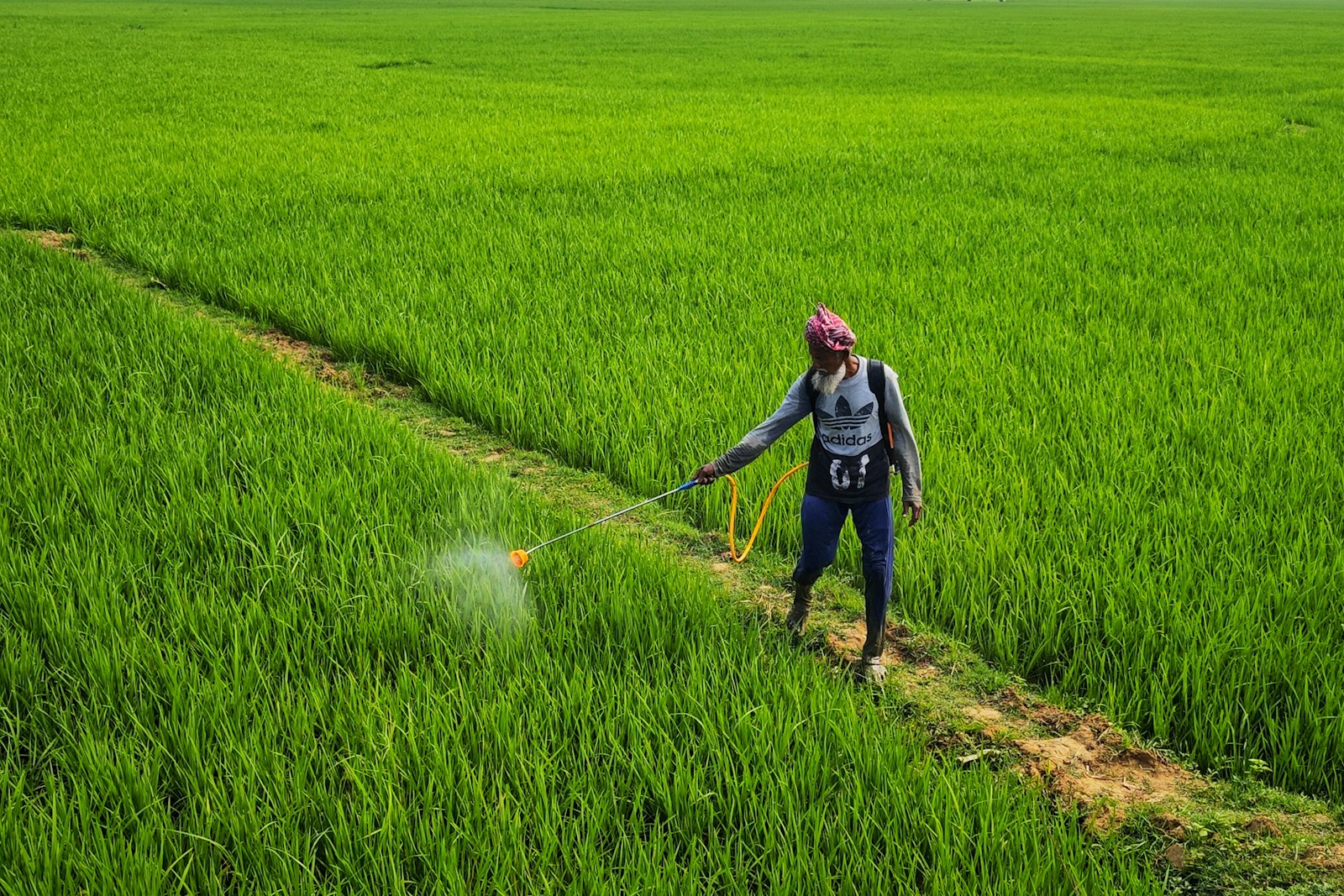
Using detailed data on soil, weather and how pesticides move through the environment, the team built a high-resolution map showing where people were most likely to be exposed. This map covered nearly all of Peru at a very fine scale, down to 100m.
They then compared this exposure map with data from more than 158,000 cancer cases recorded between 2007 and 2020. The results revealed 436 hotspots where higher pesticide exposure was strongly linked to higher cancer rates. In some of these areas, people were up to nine times more likely to develop certain cancers.
One of the study’s key innovations was how cancers were grouped. Instead of organising them by body part, researchers classified them based on the type of tissue they originally developed from during early human development. This approach showed that cancers affecting the digestive system, lungs and skin had the strongest links to pesticide exposure.
The researchers took a closer look at one hotspot in the Junín region of central Peru, an area that includes Indigenous communities such as the Asháninka and Quechua. In this region, liver cancer cases formed a clear cluster.
To better understand what was happening, the team analysed liver tissue samples from 36 patients living in high-exposure areas. They found a unique biological pattern suggesting exposure to ‘non-genotoxic carcinogens’ – substances that can cause cancer without directly damaging DNA. This pattern was not seen in patients from other countries, including France, Taiwan and Turkey.
Stéphane Bertani, a researcher in molecular biology at the French National Research Institute for Sustainable Development, said: ‘This is the first time we have been able to link pesticide exposure, on a national scale, to biological changes suggesting an increased risk of cancer.’
The findings suggest that long-term exposure to mixtures of pesticides may interfere with how cells maintain their normal identity. Instead of causing direct genetic damage, these chemicals may disrupt the systems that keep cells functioning properly, potentially pushing them toward a cancerous state.
The study also found that environmental factors play a role. For example, the El Niño climate event in 2015 was linked to higher predicted pesticide exposure than in more typical years. Deforestation driven by agricultural expansion also appeared to increase risk.
High-risk areas were mostly located in rural regions with intensive farming. This raises concerns about environmental inequality, as these communities may face greater health risks while having fewer resources.
Overall, the researchers argue that current safety regulations may not go far enough. By assessing pesticides one at a time, regulators could be missing the bigger picture, where combinations of chemicals in real-world conditions may pose a greater than expected.
The full research can be read here.
Photo: Dibakar Roy
Leave a Reply