



















A new study has raised concerns over the growing air quality impacts of data centres, warning that on-site fossil fuel power generation could carry significant public health costs.
Analysis by EmPower Analytics Group and the Piedmont Environmental Council estimates that emissions from a single data centre in Northern Virginia could result in between £42m–£79m in annual health-related damages. The findings highlight the potential consequences of a wider industry trend as operators turn to on-site energy generation to overcome grid constraints.
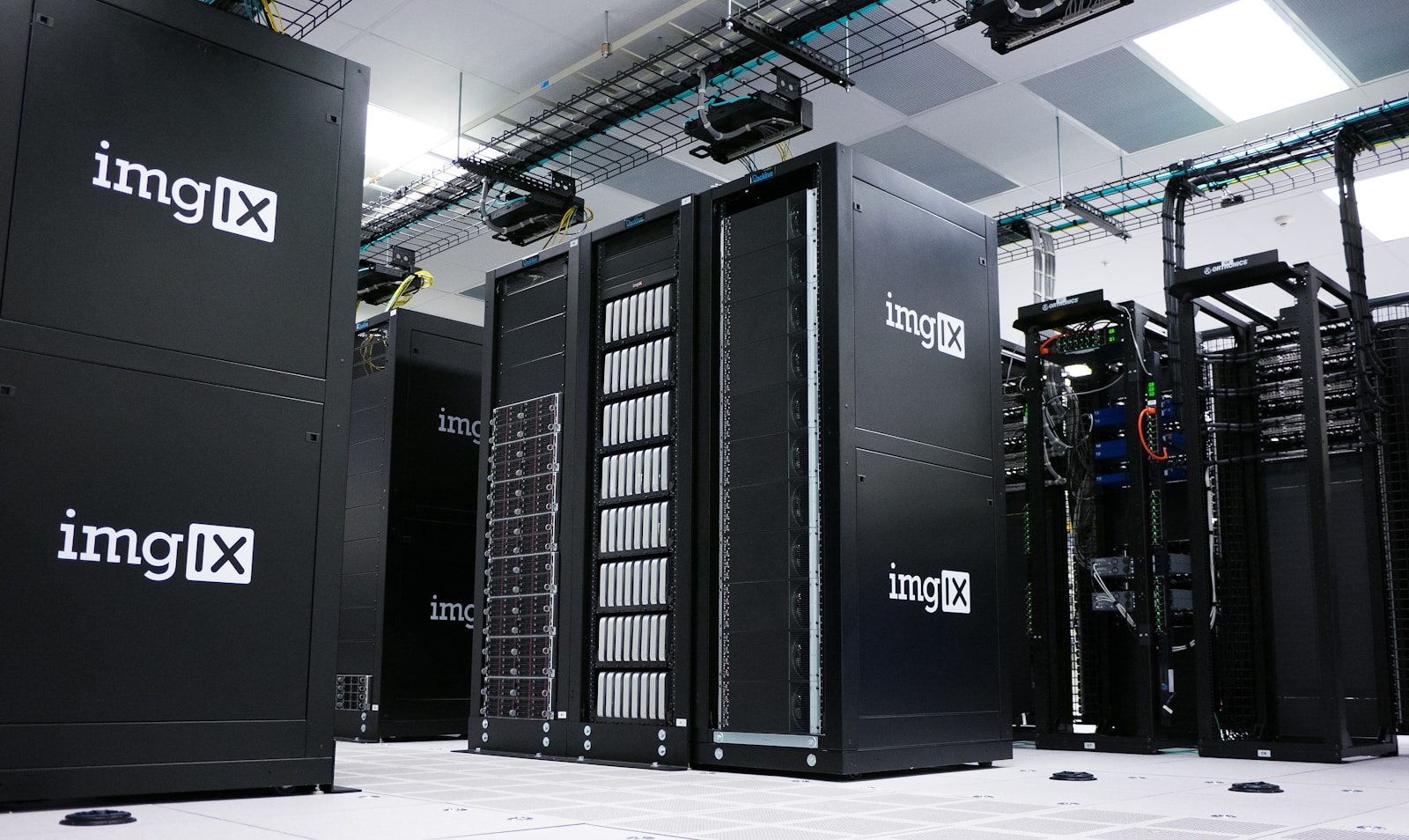
The study examined the permitted power system at Vantage Data Centers’ facility in Loudoun County. The site includes eight natural gas turbines and 51 diesel generators, which together are authorised to generate around 135MW of electricity.
Using the US Environmental Protection Agency’s COBRA model, researchers found that emissions of PM2.5 from the facility could contribute to an estimated 3.4 to 6.5 premature deaths each year, alongside increased cases of respiratory and cardiovascular disease, hospital admissions, and lost productivity.
Dr Michael Cork, founder of EmPower Analytics Group, said the findings demonstrate how even relatively small increases in pollution can have serious consequences in densely populated areas. ‘When large data centres use fossil fuel turbines for power in populated areas, even modest increases in air pollution can have real health consequences.’
More than 2.5 million people live in areas where the study estimates increases in PM2.5 concentrations, with the highest impacts projected in communities including Sterling, Dulles Town Center and Dranesville. The research also found that some of the most affected areas are already experiencing elevated pollution levels, raising concerns about cumulative impacts on vulnerable populations.
While the analysis focuses on a single site, researchers say it reflects a broader and accelerating trend. With electricity grid connections becoming increasingly constrained, data centre developers are proposing on-site generation, often powered by gas turbines, to avoid delays. Projects such as the proposed Remington Technology Park in Virginia, which includes plans for 13 turbines, underline the scale of potential expansion.
Crucially, many of these systems are approved under relatively limited regulatory processes. In this case, the Vantage facility operates under a ‘minor’ air permit, which involves limited review and no formal public consultation.
With hundreds of new data centres planned or awaiting grid connections, the report warns that decisions taken now about how facilities are powered could shape regional air quality for decades. Researchers are calling for more comprehensive planning and regulation to account for cumulative emissions and prioritise public health as the sector continues to expand.
Chris Miller, president of The Piedmont Environmental Council said: ‘Once again, the state is not assessing the impacts before we say ‘yes.’ By not considering the cumulative impact of many small applications like this on the surrounding community during the permitting process, data center companies are able to bypass the normal, rigorous standards for building power plants.
‘Air quality is a nonpartisan issue and something every Virginian cares about. How many gas plants will be located next to schools, hospitals, neighborhoods and recreation areas? The decisions we make now will impact our communities for generations.’
Julie Bolthouse, director of land use at The Piedmont Environmental Council added: ‘This study shows what just one data center with gas turbines does to air quality. Data centers already bring disruptive and damaging environmental impacts before adding on-site gas plants. This ‘bring your own generation’ concept means data centers waiting for connection to the grid could expedite operation by building their own gas plants on-site, which are often near existing schools, parks, residents and medical facilities.’
The full research can be read here.
Photo: imgix
Leave a Reply