
















New independent analysis has revealed that deaths linked to air pollution in London have fallen by approximately 40% between 2019 and 2024, as the city’s Ultra Low Emission Zone (ULEZ) and other clean air policies have been implemented.
The study, conducted by Imperial College London’s Environmental Research Group, found that nitrogen dioxide (NO2) levels have dropped by 41% across the capital, while PM2.5 has fallen by 28% over the same period.
Using an updated methodology drawing on a much larger body of scientific evidence, researchers estimated that premature deaths attributable to air pollution fell from around 6,400-8,000 in 2019 to approximately 3,800-5,100 in 2024, a reduction of roughly 40%.
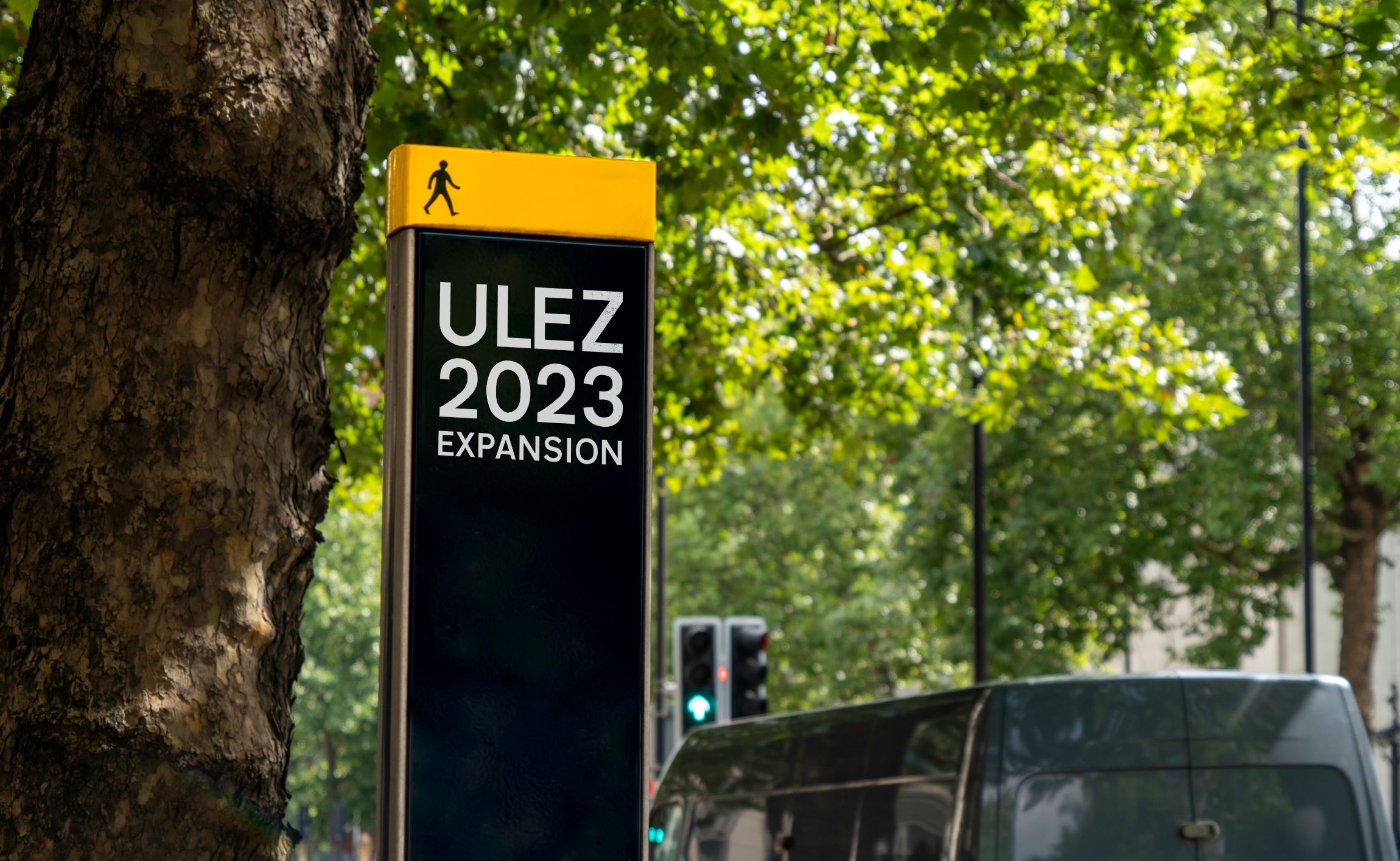
The ULEZ, first introduced in central London in April 2019, was expanded to inner London in 2021 and across the whole capital in August 2023. It is now the largest clean air zone of its kind in the world.
Mayor Sadiq Khan hailed the findings as evidence of the success of London’s bold approach to tackling toxic air. “These new figures show that our policies are directly improving Londoners’ health,” he said.
However, the analysis also revealed that outer London boroughs, including Bexley, Havering and Sutton, recorded the highest number of deaths attributable to air pollution per 100,000 residents, reflecting both the age profile of these areas and the vulnerability of older people to pollution-related diseases.
The research also found that the ULEZ and the Toxicity Charge that preceded it, were linked to a 9.3% reduction in annual trends for heart-related emergency admissions and a 5.1% drop in hospital admissions for all illnesses.
Despite the progress, long-term exposure to air pollution is still estimated to contribute to 3,800-5,100 premature deaths across London in 2024, with an economic cost of between £3.8 billion and £5.1 billion.
In 2024, London met legal limits for NO2 pollution for the first time, almost 200 years earlier than experts had predicted if no action was taken.
Professor Sir Stephen Holgate CBE, special adviser on air quality at Royal College of Physicians said: ‘The scale of improvement in this new analysis is so encouraging. A fall of 40% in estimated pollution-related deaths is a powerful reminder that decisive, sustained action – such as the expansion of the Ultra Low Emission Zone in London – can deliver real, measurable benefits for people’s health.
‘But further action is needed to protect the health of Londoners. The priority must now be to build on this progress and ensure that every community, in every part of London, can benefit from clean and healthy air.’
Sarah Sleet, Chief Executive at Asthma + Lung UK, said: ‘Yet more evidence that cleaning up our air saves lives – this London-based research underlines the importance of bold leadership to take tough action such as low emissions zones, because without it more people will die too young and our children’s health will be harmed. But it’s not just a London problem. Air pollution is linked to up to 43,000 deaths annually across the UK, with the nearly 12 million people living with lung conditions particularly at risk.
‘We hope this progress will galvanise change across the country. With a new Prime Minister expected in a matter of weeks, this is now the opportunity for the Labour Party to recommit its support for a new Clean Air Act that brings together and strengthens the UK’s fragmented air quality framework, setting legally binding targets in line with the World Health Organization, and preventing more unnecessary deaths due to this environmental emergency. This must also be backed by a national public awareness campaign to help people understand the health impacts of air pollution and how to reduce their exposure.’
Leave a Reply