















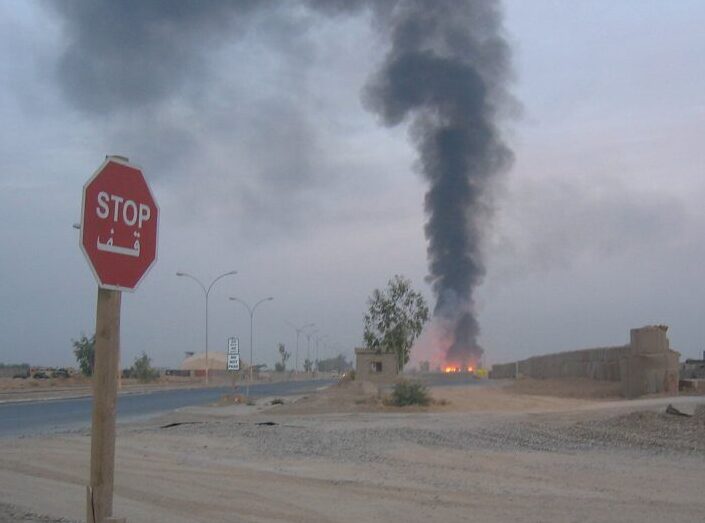

2026 has been one of the most turbulent years in aviation history. US military strikes on Iran and retaliatory missile attacks on Middle Eastern flight hubs grounded flights at Doha, Dubai and Abu Dhabi, leaving hundreds of thousands stranded.
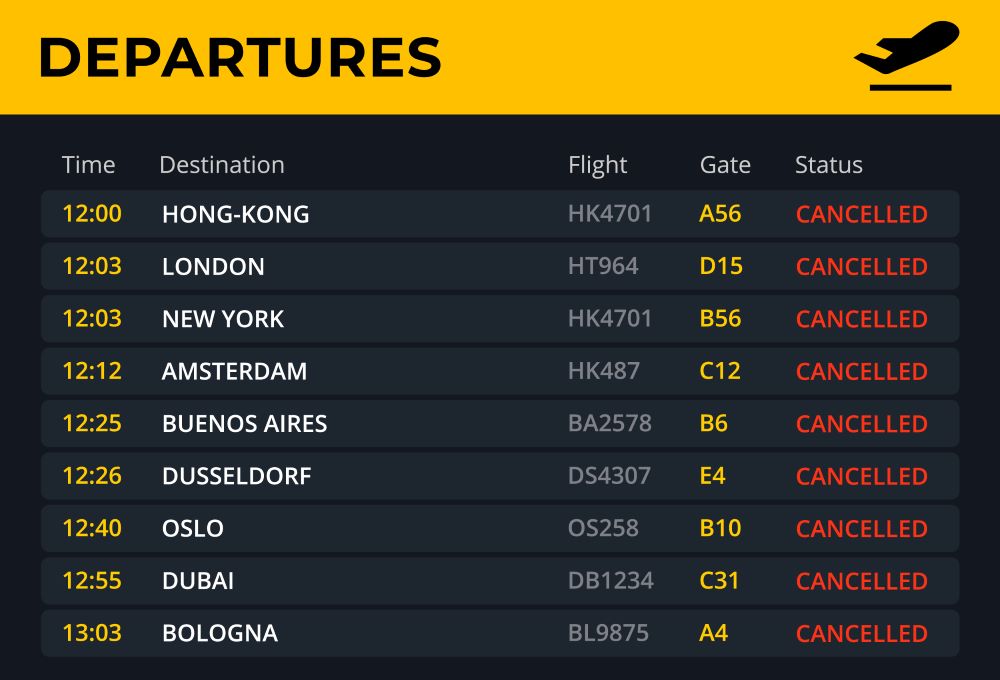
As routes reopened, bookings on Emirates, Qatar and Etihad collapsed, while airlines with hubs in Africa, South East Asia and China saw demand – and prices – surge. With the Strait of Hormuz largely closed, jet fuel supplies have been severely disrupted. Major carriers including British Airways, Lufthansa and easyJet cancelled thousands of flights, and analysts warn the cost will ultimately be passed on to passengers.
But this isn’t the reason BloombergNE has predicted a 256% increase in costs for airlines over the next decade, with European firms set for the biggest hike. Low-cost specialist Ryanair, for example, is projected to spend 38% more on operations by 2036 than it does today because environmental, and specifically emissions, regulations are becoming tighter. But at a time when airports such as Heathrow, Gatwick, Manchester, Leeds-Bradford, Liverpool, London City, and Luton are completing, beginning or proposing expansions, can we reconcile the investment in passenger growth with much higher running costs? How much will this eat away at demand?
‘In the near term, the impact of environmental compliance costs on ticket prices is likely to remain relatively modest compared with other drivers of airfare inflation, such as recent increases in jet fuel prices following geopolitical tensions in the Middle East,’ says Takehiro Kawahara, Clean Transport & Aviation Analyst at BloombergNEF, explaining other regions will be affected less quickly due to slower regulatory changes. ‘In Europe, the impact is expected to become more noticeable toward 2030, as sustainable aviation fuel (SAF) blending mandates increase and carbon prices under emissions trading systems (ETS) rise further.
‘Full-service carriers such as Lufthansa Group and Air France-KLM have already introduced environmental surcharges or incorporated environmental compliance costs into ticket pricing, meaning some passengers are already seeing the effects,’ he continues. ‘Low-cost carriers such as Ryanair have generally not yet introduced explicit environmental surcharges. This is likely because their customer base tends to be more price-sensitive, making airlines more cautious about passing through additional costs. Historically, these carriers also relied on measures such as fuel hedging, capacity management and other cost-control strategies to limit increases in operating costs.’
Governments have long come under fire from environmental campaigners who would like to see subsidies removed that have kept airline ticket prices artificially low for decades, and many want to see these transferred to lower carbon transport like railways. Despite mounting pressure, Kawahara doesn’t expect to see much change in these policies or the introduction of new fuel taxes on flights, both of which could add financial strain to anyone paying for a flight. ‘The European Commission has proposed gradually introducing taxation on aviation fuels used on intra-EU flights as part of the Fit for 55 package,’ he says.
‘However, progress has been challenging because of opposition from some member states, which are concerned about the competitiveness of their aviation sectors and the potential impact on tourism,’ Kawahara continues. ‘If environmental regulations were to impose a substantial additional cost burden on airlines and materially affect financial performance, governments would face pressure to balance climate objectives with maintaining a competitive aviation sector. As a result, policymakers are likely to remain cautious about introducing measures that could lead to a sharp increase in operating costs for airlines.’
Even so, the future of air travel costs remains hard to predict because decarbonisation hinges on factors that are difficult to price-in right now — new sustainable fuel blends and carbon offsets. After attending an emerging technologies forum, and listening to debate around the innovations needed to reach net zero aviation emissions by 2050, Naomi Allen, Head of Research at the Royal Aeronautical Society, embarked on her own investigation to determine how SAF development might impact how much we pay for flights.
‘You’ve got the SAF mandate in the UK and there’s an equivalent in the EU as well. And there’s a lot of support being put into SAF and general push in that direction. But you do also hear people say maybe economically, if you look at it purely from a financial perspective, it would make more sense to continue to burn kerosene and just use greenhouse gas removals to offset all your carbon,’ she tells us. ‘SAF doesn’t remove all of the carbon emissions. Depending on the fuel stock it can be quite variable. People talk around between 40 and 80% lifecycle emissions reduction. And where you are in that scale plays a massive part in how expensive decarbonisation is.
‘Governments are consulting on the existing SAF mandate and trading scheme, and are not aligned on how good lifecycle emissions reduction needs to be for [new] fuels to be eligible. If you accept lower emissions reduction types, you’re much more reliant on greenhouse gas removals. But there are really good economic and scalability reasons for accepting those fuels now… some pathways that are more mature at the moment tend towards the lower end of the scale. We shouldn’t be completely ignoring those because we need to look at it holistically — but my personal is we also don’t want to be getting too close to 2050 and still have a significant proportion of SAFs at the lower end of the emissions reduction scale.’
This means investing in SAF development and scaling production up now, rather than waiting another decade or so and then finding the emissions gap is greater than we can quickly bridge, is important. Allen’s work concluded that although it would technically still be cheaper to fly on fossil fuel-only kerosene in 2050, this is only if regulations around emissions were removed entirely. In real terms, it’s likely to be cheaper for everyone — including passengers — to increase sustainable aviation fuel mix incrementally and combine that with necessary offsets. Meanwhile, new generation aircraft entering service in the 2030s are likely to further boost efficiency because this has always been a priority for companies looking for greater profit margins. That means using less fuel, no matter the stock.
This article first appeared in Air Quality News Magazine.
Leave a Reply