














One year on from arguing that arts and culture could help the fight for clean air, LIVE + BREATHE’s Jayda David reflects on how creativity is becoming a practical tool for climate adaptation – from guerrilla street campaigns to turning cultural venues into a national cooling network.
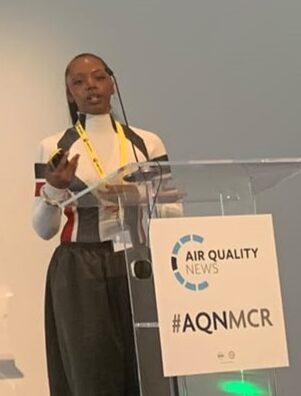
Last year, I wrote in AQN about the role arts and culture can play in the fight for clean air. My argument was simple: if we want more people to engage with issues that affect their health, their environment and their futures, we have to communicate differently. Facts and data are essential, but creativity helps people connect those issues to their own lives.
 A year on, that message feels even more urgent.
As the UK experiences another summer of heatwaves, we are seeing first-hand how the climate crisis is reshaping our daily lives. Extreme heat, air pollution, respiratory health, inequality and climate resilience are not separate challenges — they overlap and affect the same communities.
For LIVE + BREATHE, the past year has been about helping more organisations tell those connected stories.
We’ve been approached by a growing number of organisations to provide creative direction, campaign development and community engagement around environmental and public health issues. It has reinforced the value of arts and culture in translating complex conversations into something people can connect with.
LIVE + BREATHE’s role has increasingly become that of a creative bridge between organisations and communities, helping ensure campaigns don’t simply speak to people but speak with them. Alongside our campaign work, we’re also hosting a series of arts, culture and sports events across London this summer, creating spaces where people can come together and engage with conversations around climate, clean air and public health in creative and accessible ways.
One of the collaborations we’re most proud of has been with Clean Cities on its Carspreading campaign.
Working alongside musician and rapper DeeRiginal, whose commitment to cycling and public transport has helped make sustainable travel aspirational, we developed a series of guerrilla activations in Westminster — London’s borough with the highest number of SUVs. Instead of traditional enforcement notices, oversized vehicles received fake parking tickets explaining how ‘carspreading’ affects pedestrians, neighbourhoods and air quality.
It was a playful activation with a serious message, showing how creativity can spark conversations that traditional campaigns often struggle to reach.
That same philosophy sits at the heart of another major collaboration launched last month during London Climate Action Week: Cool Off in Culture.
The BFI’s sustainability team first approached us after meeting LIVE + BREATHE founder Love Ssega at the World Health Organization’s Second Global Conference on Air Pollution and Health in Cartagena. They had already developed the idea of Cool Off in Culture but wanted support in bringing it to life creatively and ensuring the campaign felt welcoming, accessible and community led.
As a public health initiative, the campaign aligned perfectly with everything LIVE + BREATHE exists to do. The creative challenge was to transform a concept that initially felt corporate into something rooted in fun and community.
Working with a brilliant team of young designers, climate activists, artists and nature lovers from across London, we developed a visual identity that reflected the diversity of the communities the campaign hopes to serve. We wanted people to see themselves in it.
The launch came at a moment when this conversation felt impossible to ignore.
As temperatures continue to climb, the need for accessible places where people can escape dangerous heat is becoming increasingly obvious. Cultural venues, many of which are well ventilated or air-conditioned and already welcome thousands of visitors every day, become more than places of creativity. They become places of refuge.
We often search for entirely new responses to the climate crisis, particularly at a time when public finances are stretched. But sometimes those solutions already exist — we just need to recognise them and work together to make them accessible.
Cool Off in Culture shows how museums, cinemas, theatres, libraries, galleries and music venues can become part of a practical network of support during periods of extreme heat.
What has made Cool Off in Culture particularly powerful is that it is not owned by one organisation or sector. It is a collective response, bringing together cultural, environmental and public health organisations around a shared challenge.
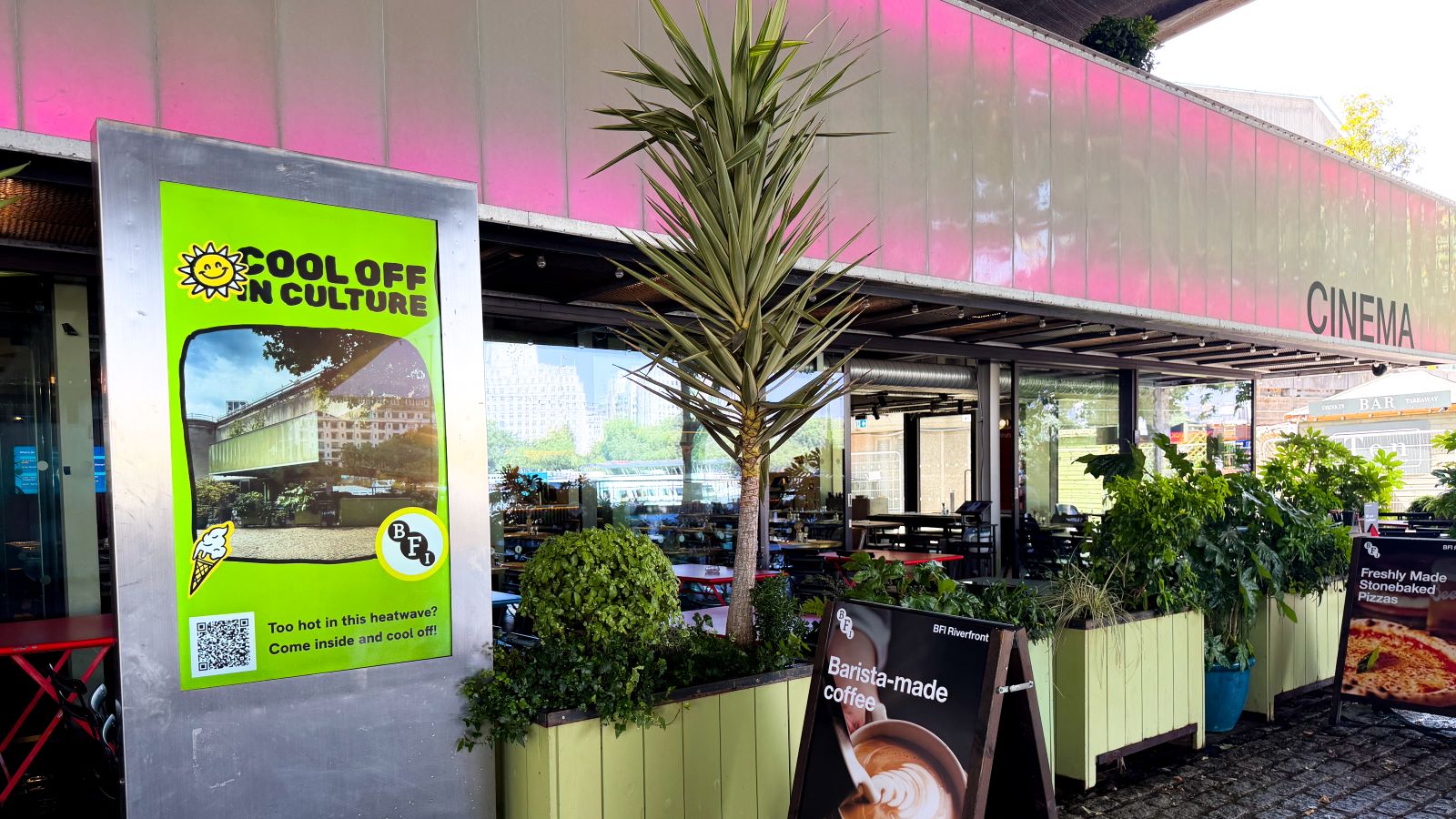
The spirit of collaboration sits at the heart of the campaign. Keir Oldfield-Lewis, Head of Environmental Sustainability at the BFI, highlights the importance of cultural venues as part of the public health response: “We are very proud of the positive cross-sector collaboration that led to this proactive and very necessary campaign. Cultural venues are open at all times of day and night – they’re key institutions of our community and just round the corner: they should be an essential part of the public health response.”
The partnership has also developed adaptation guidance to help cultural organisations prepare for more frequent extreme heat.
The campaign’s message has also reached beyond the cultural sector, with Kamal Kishore, Special Representative of the United Nations Secretary-General for Disaster Risk Reduction, welcoming the initiative at its London Climate Action Week launch.
Ross Patel, LIVE Green Impact Consultant at LIVE, points to the wider role venues can play as temperatures rise: “As heatwaves become more common, campaigns like Cool Off in Culture are an important way of helping people identify safe, welcoming places to cool down while supporting the venues that have long been a crucial part of the communities they serve.”
Looking at culture as part of climate resilience, Laura Pando, Interim CEO at Julie’s Bicycle, says: “Cultural venues are more than spaces for art and creativity — they are essential climate resilience infrastructure and community hubs. As extreme heat becomes a public health reality, Cool Off in Culture transforms our museums, cinemas, and theatres into a national cooling network.”
Nicola Saunders, Director of Environmental Responsibility and Innovation at Arts Council England, reinforces the role of cultural venues within communities: “At their core, arts and culture venues are vital spaces for communities up and down the country. They serve many purposes for people of all ages – to inspire, to create, and also to cool down in hot weather.”
For me, climate change, air pollution and public health are inseparable. It’s time our responses reflected that.
Heat exacerbates many health conditions, including asthma, which we know is often made worse by poor air quality. Across Europe, we’re hearing more discussion around so-called “heat bubbles”, where stagnant weather systems prevent pollutants from dispersing. If the air isn’t moving freely, neither are the pollutants we don’t want people breathing.
We still too often talk about climate adaptation, clean air and public health as separate conversations. They are not. The more we recognise these connections, the more pragmatic we can become about creating healthier, more resilient communities.
Looking ahead, LIVE + BREATHE will continue strengthening our role as a creative communications partner between organisations and communities. Alongside expanding our Academy programme for schools, our priority remains working with Black and working-class communities, ensuring lived experience is reflected not only in creative campaigns but increasingly in the policy conversations that shape healthier places to live.
Creativity is not an optional extra in tackling climate and health challenges. It is a powerful tool for bringing people together, building trust and encouraging action.
One year ago, I argued that culture could help us fight for cleaner air.
Today, I’d go one step further.
As climate change reshapes our communities, culture has a vital role to play not only in raising awareness, but in helping us adapt, protect one another and build healthier, more resilient places to live.
Sometimes the most powerful climate solutions aren’t the newest technologies or the biggest infrastructure projects.
Sometimes they’re simply about opening the doors we already have.
Leave a Reply