

















Drivers who leave their engines running while parked in Wales could face fines of up to £150 from oday (30th Ocober).
The minimum penalty for unnecessary idling will rise from £20 to £75, with councils able to set fines of up to £150, from 30 September.
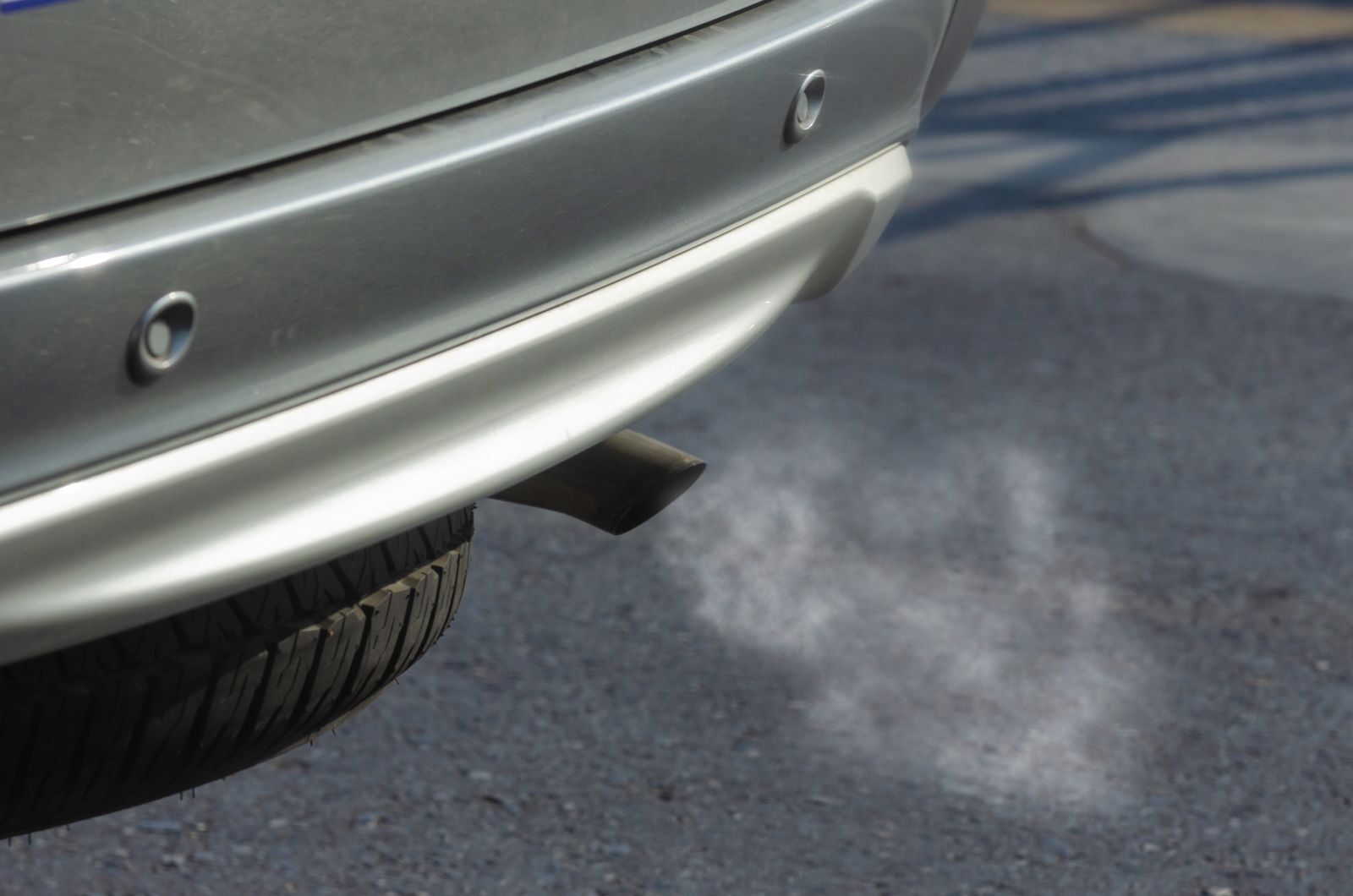
Rule 123 of the Highway Code says drivers must not leave a parked vehicle unattended with its engine running, or leave it running unnecessarily while stationary on a public road.
Despite the rule, many drivers are still not aware that idling is an offence. Vehicle emissions can also add to air pollution, which is linked to conditions including heart and lung disease.
Children, older people and those with existing health conditions are particularly vulnerable, especially around places such as schools and healthcare settings.
Pupils at Marshfield Primary School have been learning about the issue through an anti-idling project funded by the Welsh government and run with Newport Council.
They designed a banner encouraging drivers to switch off their engines, which is now displayed outside the school.
The introduction of the higher fines was marked by a visit to the school from Cabinet Minister for Rural Resilience and Sustainability Llyr Gruffydd.
He said: ‘We’re taking bold action to clean up our air and cut pollution, protecting health and improving the places where we live. That’s why we’re increasing the fine range for anyone who leave their engine running while parked.’
Chief Medical Officer for Wales, Professor Isabel Oliver, added: ‘Air pollution is a serious public health issue, contributing to a range of conditions including heart and lung disease. Children, older people and those with existing health conditions are particularly vulnerable to its effects.
‘Idling may seem like a small, everyday habit, but it adds up. Every time an engine is switched off rather than left running, we reduce the amount of harmful pollution in the air we all breathe, particularly around schools, hospitals and other places where vulnerable people spend time.’
Photo: Khunkorn Laowisit
Leave a Reply