
















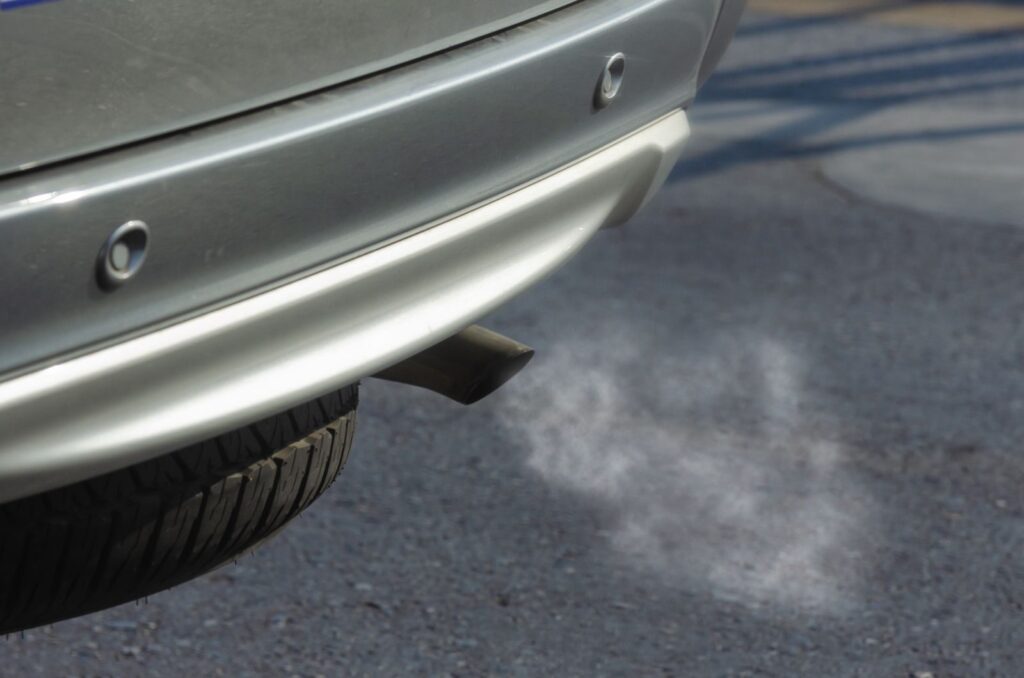


Scientists investigating how air pollution damages the heart and blood vessels have identified changes in the blood that could help explain the connection.
Researchers at UCLA Health found higher levels of two groups of molecules in the blood of both mice and people exposed to air pollution. The findings suggest that damage to mitochondria, the tiny, energy-producing structures within cells, could be one of the early steps linking polluted air to cardiovascular disease.
Previous research has shown that exposure to air pollution increases the risk of heart and circulatory problems, but scientists have had a less clear understanding of exactly how pollution causes this damage.
The new study points to mitochondria as a possible part of the process.
Mitochondria help cells turn fats and other nutrients into energy. When they become damaged, cells may struggle to break down fats properly. This can cause some of the products of fat breakdown to build up in the blood.
The researchers found increased levels of two types of these molecules (long-chain dicarboxylic acids and medium to long-chain acyl-carnitines) in both mice and humans exposed to air pollution.
The changes could be signs of oxidative stress, a process that can damage cells and tissues. They were also linked to chemical markers showing that fats in the body had been damaged.
To investigate the process, the researchers analysed blood samples from two earlier studies.
In one study, mice were exposed to diesel exhaust for two weeks. In the other, 26 healthy non-smoking adults from Los Angeles spent 10 weeks travelling between Los Angeles and Beijing, exposing themsleves to substantially different levels of PM2.5 pollution.
The researchers measured thousands of metabolites – small molecules produced by the body – and looked for changes that occurred in both the mice and people.
They found the same increases in the two groups of molecules in both sets of participants. Tests on the mice also found that their liver mitochondria were less able to produce energy normally after exposure to diesel exhaust.
Among the human participants, the changes were also linked to chemicals produced when fats are damaged and to markers of exposure to polycyclic aromatic hydrocarbons, pollutants produced by combustion.
The researchers believe these findings could eventually help identify the effects of air pollution before people develop obvious heart or metabolic disease.
However, the blood markers are not currently an established medical test and, they say, more research is needed to establish whether they can reliably predict an individual’s health risks.
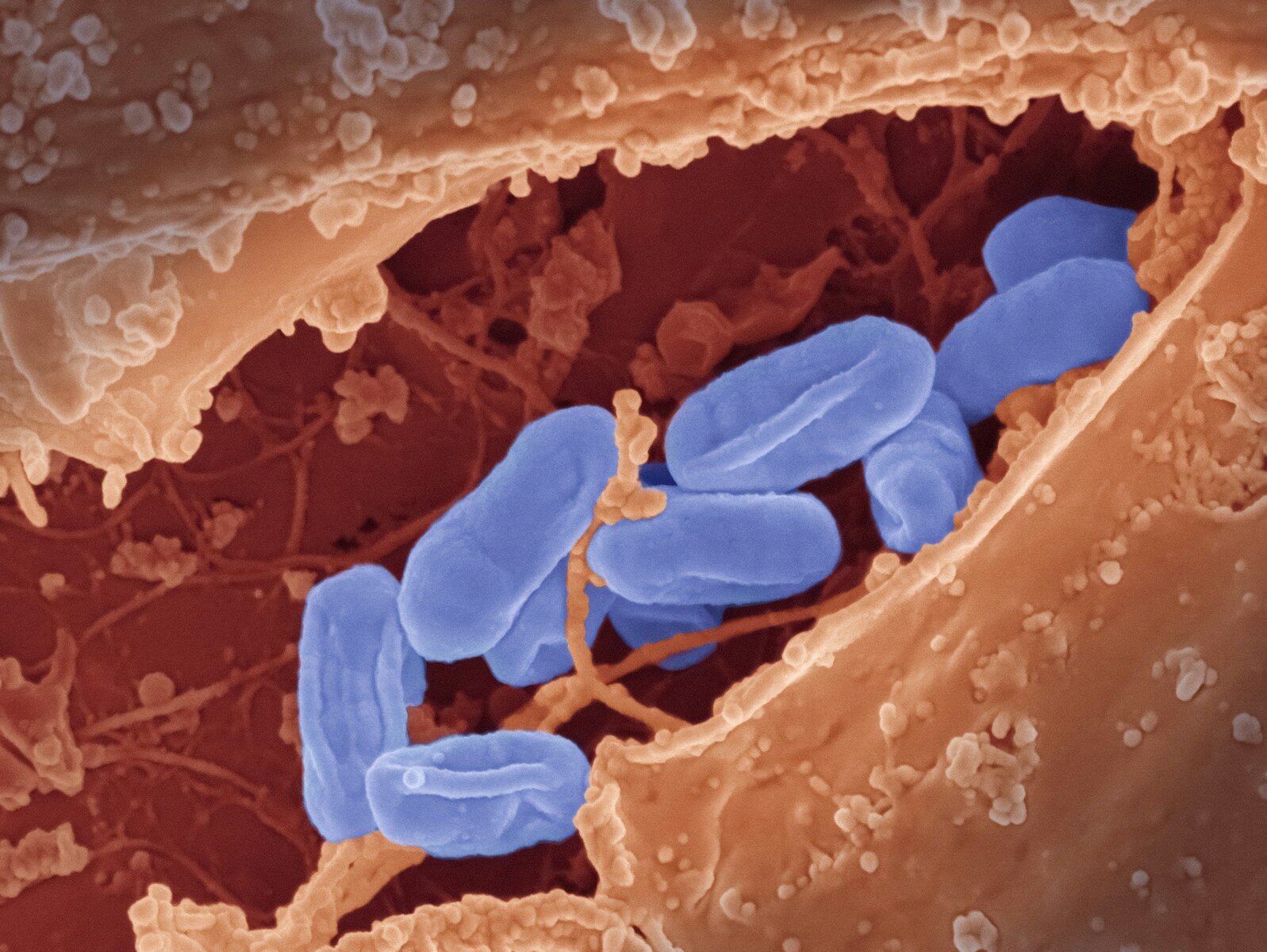
Photo: National Institute of Allergy and Infectious Diseases
Leave a Reply