














A major new survey of over 8,400 residents across nine European capitals reveals a strong public mandate for enhanced and affordable public transport, while showing deep division over the impending arrival of autonomous vehicles.
The ‘Clean Cities Urban Mobility Barometer 2026,’ conducted by Clean Cities, polled adults in Berlin, Brussels, Budapest, London, Madrid, Paris, Rome, Sofia and Warsaw in November 2025. The results present a clear picture of urban mobility priorities as cities grapple with congestion, strained services and the expected launch of ‘robotaxi’ pilots later this year.

An overwhelming 83% of respondents support expanding and modernising metro, tram and commuter rail networks. Furthermore, 79% want national governments to provide financial support to cities for better public transport services. There is also strong backing for social measures, with 70% supporting reduced fares for low-income users and for infrastructure changes, with 63% in favour of converting road space into dedicated bus or tram lanes to improve speed and reliability.
The only proposed measure that failed to gain majority support was raising fares to fund service improvements, backed by just 32%.
Martin Baierl, the report’s lead author said; ‘The message from citizens is unambiguous: they want more and better public transport, and they believe governments should help pay for it. Support cuts across political, demographic, and geographic lines, showing this is a universal urban priority.’
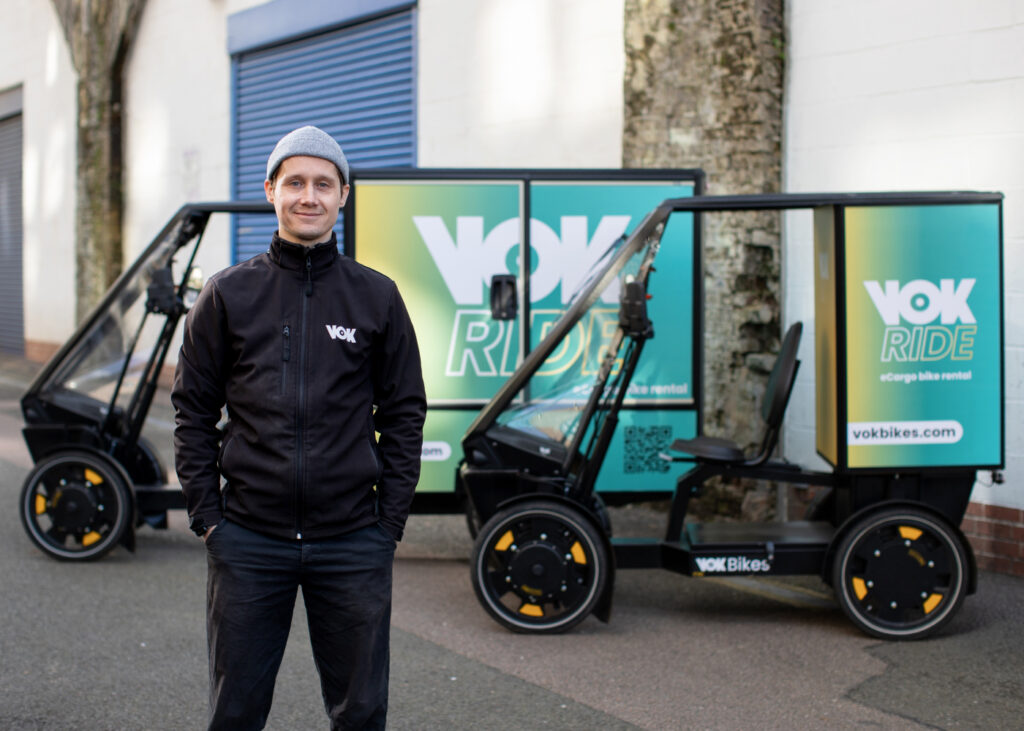
In contrast, public opinion is split on autonomous vehicles. Across the nine capitals, 37% support having driverless vehicles like robotaxis in their city, 35% oppose them and a significant 28% remain undecided. Support varies widely, from 48% in Sofia to 32% in Madrid. London and Madrid show the highest opposition at 38%.
‘This indecision suggests public acceptance will be won or lost based on the real-world impact of these services on congestion, safety, and public space,’ the report notes.
The survey also examined current travel habits: walking (71%) and public transport (63%) are the most frequently used modes, though the private car remains a significant part of the urban mix at 41%.
The full report can be read here.
Leave a Reply