













A new study by Graz University of Technology (TU Graz) has found that emissions from tyre and road abrasion now surpass those from exhausts ‘by a wide margin’.
The findings highlight a significant shift in the composition of road-related air pollution and signal major challenges ahead for meeting tighter EU air-quality standards coming into force in 2030.
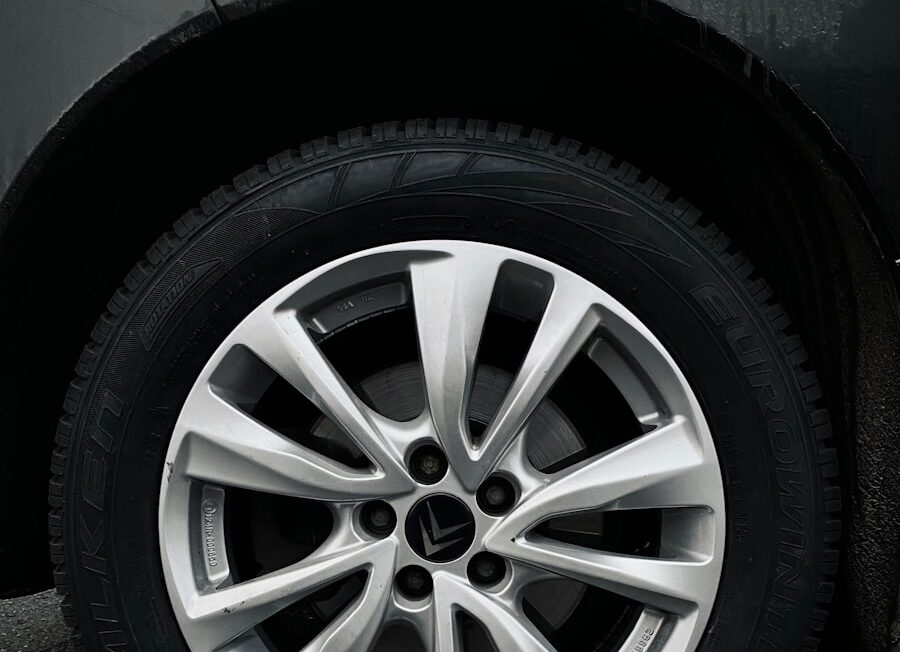
Examining non-exhaust emissions across today’s European vehicle fleet, the researchers found that changes in vehicle technologies – particularly the rise of electric vehicles and the widespread adoption of exhaust particulate filters since the EURO 5 and EURO 6 standards – have sharply reduced tailpipe emissions, to the extent that particles from combustion engines now account for less than 10% of total particulate emissions in typical traffic scenarios.
In contrast, emissions generated by braking, tyre wear, road surface abrasion and the resuspension of particles have become dominant sources.
According to the study, new regulations and technologies are expected to continue reducing emissions from braking systems and exhaust gases.
Study leader Stefan Hausberger from the Institute of Thermodynamics and Sustainable Propulsion Systems at TU Graz said: ‘With the introduction of the Euro 7 emissions standard in 2026, we expect a reduction in brake emissions of around 80% in new vehicles by 2040.
‘This will be achieved through new braking technologies, such as hard metal coatings, as well as the increasing electrification of the car fleet, as electric cars generate a lot of braking energy through recuperation instead of conventional braking. And because particulate filter technology will continue to improve and the number of electric cars will increase, our simulations suggest that exhaust particulate emissions could fall by up to 90% by 2040.’
Unlike brakes and exhaust systems, tyre wear offers limited room for improvement. Safety and traction requirements inherently depend on friction between the tyre and road surface, meaning substantial reductions in tyre-related emissions are unlikely. Researchers estimate a maximum reduction of only 10–20% within the next decade, while noting that lower speed limits would have a far greater effect.
Road wear and resuspended particles are similarly difficult to mitigate through vehicle design. As a result, these forms of particulate pollution are expected to represent the largest share of traffic-related emissions in the future.
The study warns that despite expected improvements in brake and exhaust emissions, it may still be challenging to meet the EU’s 2030 air-quality standards. From that year onward, the limit for PM10 will be reduced from 40 to 20 µg/m³.
Hausberger added: ‘Our calculations show that compliance with EU air quality limits will be extremely tight as of 2030. Especially at locations with high traffic volumes and unfavourable conditions, such as tunnel portals or street canyons.’
Leave a Reply