


















Urban residents are breathing in considerably more plastic particles than previously thought, according to new research.
The study, conducted in the Chinese cities of Guangzhou and Xi’an, reveals that airborne microplastics and nanoplastics are pervasive in the atmosphere, with significant implications for human health and urban air quality.
The research employed an innovative, semi-automated detection method capable of identifying plastic particles as small as 200 nanometers, far smaller than other techniques can reliably measure
This method allowed them to quantity the levels of plastic pollution in aerosols, rainfall, snow and resuspended road dust.
The concentrations they found were disturbingly high. In Guangzhou, airborne microplastics reached up to 180,000 particles per m³, while nanoplastics hit 42,000 per m³. In Xi’an, the numbers were similarly alarming, with 140,000 microplastics and 30,000 nanoplastics per m³.
Significantly, the study also found that traditional visual inspection methods have likely underestimated atmospheric plastic pollution by several orders of magnitude. Rainwater samples contained millions of plastic particles per litre, albeit that rain is a very efficient way of removing these plastics from the air.
The research also sheds light on how these particles move and transform. Road dust resuspension, stirred up by traffic and wind,was identified as a major emission source, especially for nanoplastics. Once airborne, plastics readily form aggregates with soot and mineral dust, altering their physical and chemical behavior and potentially influencing cloud formation and climate.
The team point out that in terms of public health, these findings are critical. The small size of nanoplastics allows them to penetrate deep into the lungs and potentially enter the bloodstream, posing unknown long-term risks.
Lead author Tafeng Hu said: ‘We’ve long known that particulate matter harms health, but we’re only beginning to understand the specific role of airborne plastic particles. Their abundance has been massively undercounted..
The researchers go on to call for improvements in global air quality monitoring to include micro- and nanoplastics, specifically the need to control sources such as urban road dust and plastic waste.
They point out that as plastic production continues to rise, so too does its invisible footprint in our air, making it an increasingly significant part of the fight against urban air pollution.
The full research can be read here.
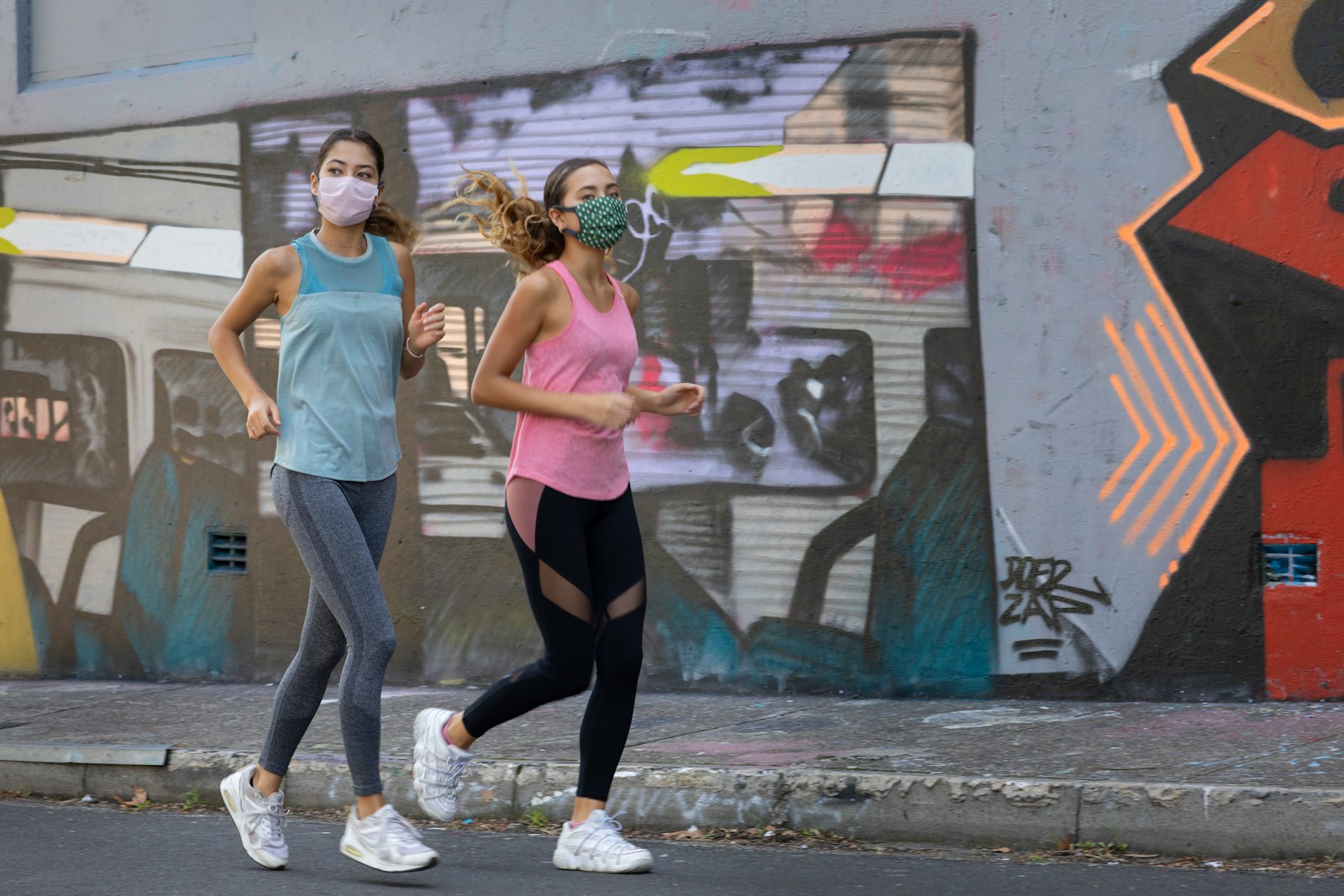
Photo: Masao Mask
Leave a Reply