







Air pollution has today (4th February) been formally recognised as a cancer risk in Europe for the first time, after being added to the European Code Against Cancer.
The update appears in the fifth edition of the European Code Against Cancer (ECAC5), a set of evidence-based recommendations designed to help reduce cancer risk across the European Union.
The revised Code – published to coincide with World Cancer Day – reflects growing scientific consensus that long-term exposure to polluted air increases the likelihood of developing cancer, alongside a range of other serious health conditions.
Developed over four years by more than 60 public health experts, the updated guidance is published by the International Agency for Research on Cancer on behalf of the European Commission. It contains 14 recommendations aimed at individuals, alongside a new and parallel set of recommendations for policymakers.
The Code addresses a wide range of known risk factors, including smoking, alcohol consumption, vaccination, cancer screening, breast-feeding, diet and the consumption of ultra-processed foods. Air pollution now joins that list, highlighting both personal actions and population-level measures to reduce exposure.
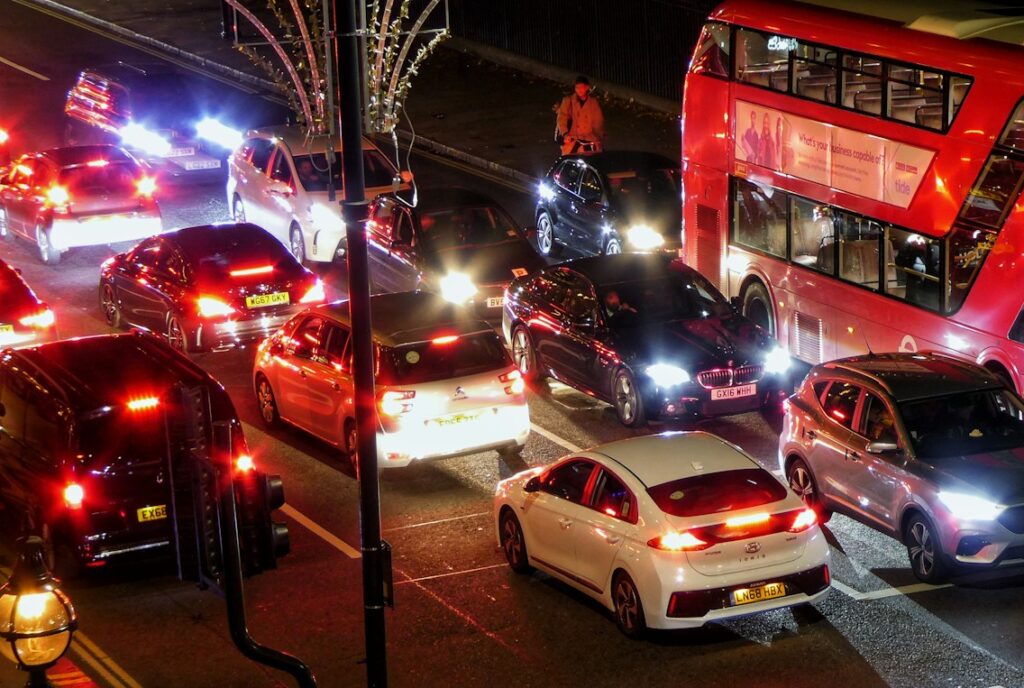
Individuals are encouraged to limit their exposure by choosing public transport, walking or cycling instead of driving, opting for low-traffic routes when exercising outdoors, and keeping homes free of smoke by avoiding the burning of coal or wood. The Code also emphasises the importance of supporting policies that improve air quality, underlining the role of governments in creating healthier environments.
The inclusion of air pollution reflects mounting evidence of its impact on cancer risk, as well as its links to other noncommunicable diseases such as heart disease, stroke and respiratory illness. Experts say the change strengthens the case for cleaner air policies, particularly in urban areas where pollution levels remain high.
Nina Renshaw, Head of Health at the Clean Air Fund, explains why this gives European policymakers an even clearer mandate to reduce dangerous, carcinogenic air pollution: ‘Air pollution raises our overall cancer risk by 11% and risk of death from cancer by 12%. Poor air quality is the largest environmental threat to human health, killing more people than tobacco, so it’s significant progress that air pollution is now recognised in the latest European Code Against Cancer.
‘This vital change means that institutions and governments across the EU and the World Health Organization’s wider European region now have an even clearer mandate to reduce dangerous air pollution, and in doing so, protect people’s health.
‘With 99% of people worldwide currently breathing harmful air – contributing to respiratory diseases, strokes, heart attacks, and dementia, as well as stillbirths and miscarriages – it’s essential to address the interconnections between air quality and urgent health challenges.
‘Clean air measures positively impact public health almost immediately, resulting in reduced hospitalisations – and ultimately in fewer people developing chronic health conditions such as lung cancer.’
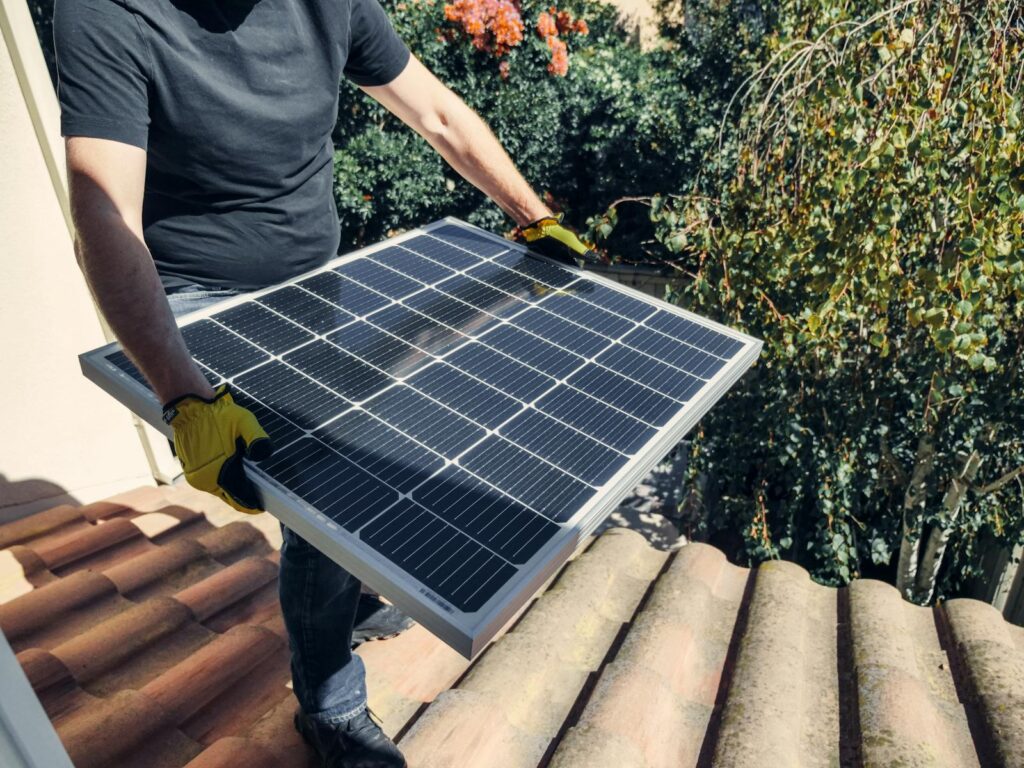
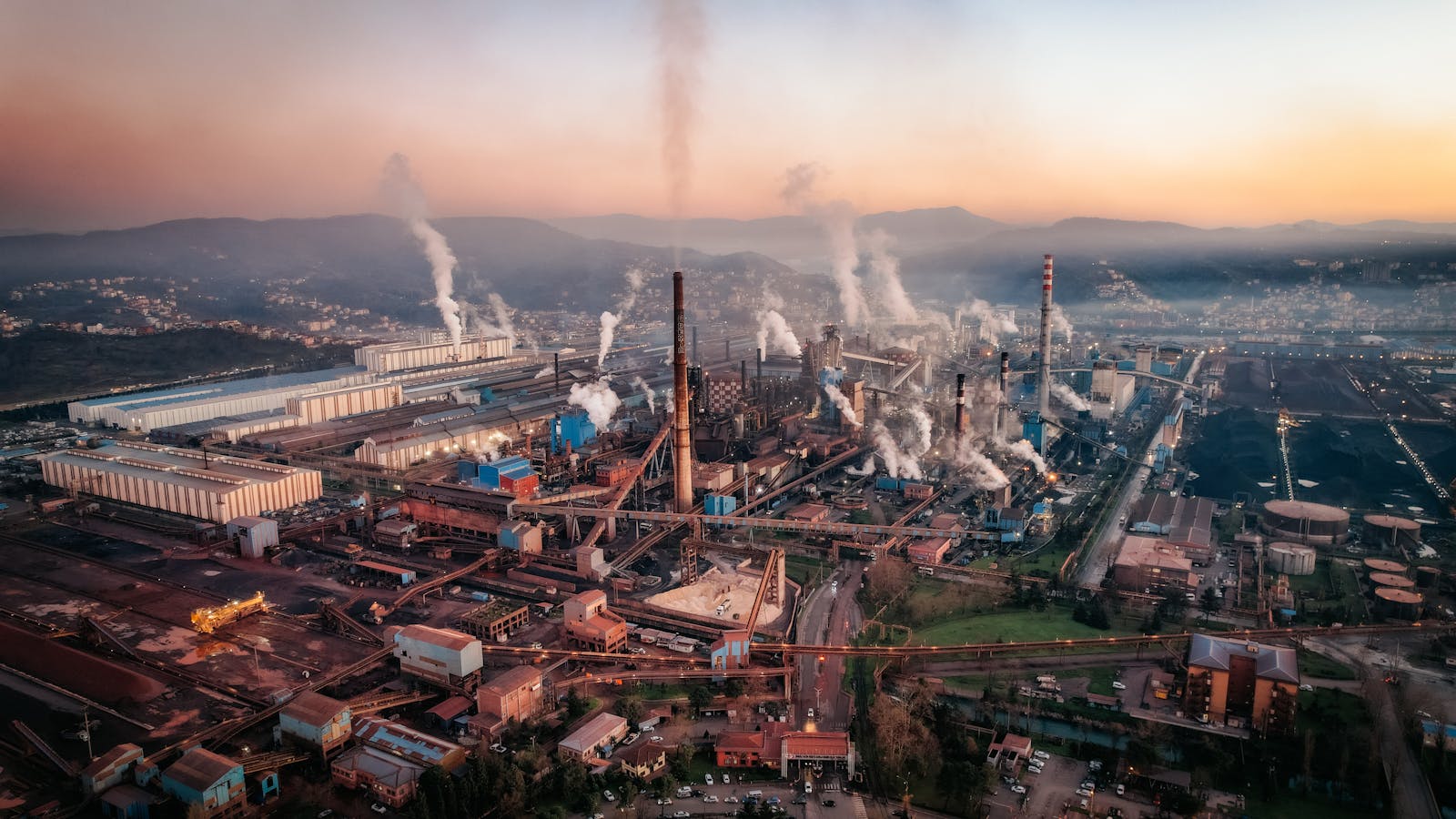
Photo: Batuhan Kocabaş /Pexels
Leave a Reply