


















The fight against climate change could unintentionally make global hunger worse. But a new international study suggests that cleaner air – resulting from the same climate policies – could offset part of that harm.
Previous research has suggested that some climate mitigation measures – such as carbon pricing, expanding crops used for bioenergy and planting forests in new areas – might raise food prices and reduce the number of calories available worldwide. That could leave millions more people at risk of hunger.
However, those studies missed an important side effect: policies that cut greenhouse gases also reduce air pollutants that create ground-level ozone, including methane and nitrogen oxides.
The new study looked at how efforts to limit global warming to 1.5°C might affect food security by 2050. The researchers combined six global agricultural economic models, making it the first multi-model analysis to include the benefits of reducing ozone pollution.
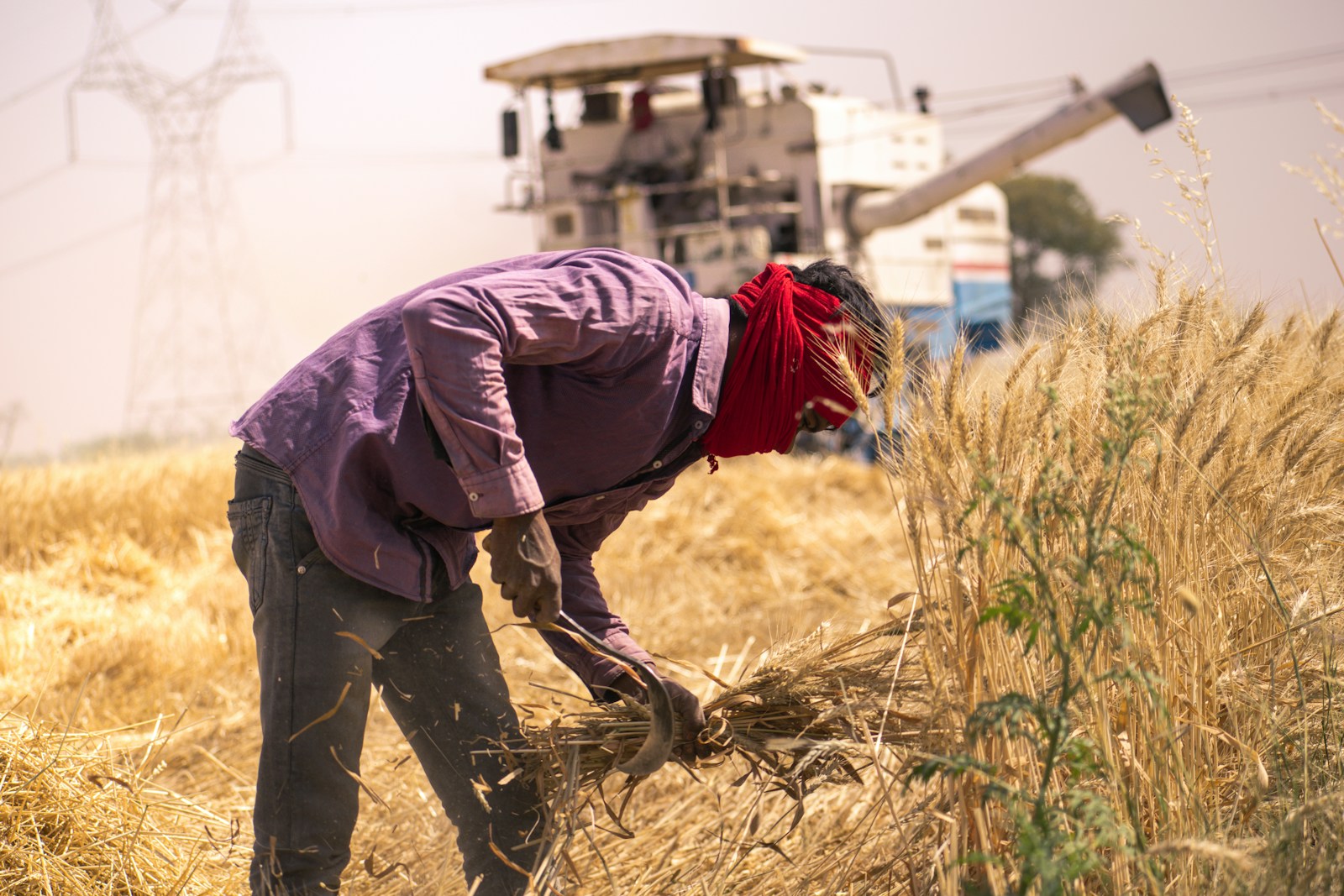
Ground-level ozone is harmful to crops. It damages plants and reduces yields of key staple foods such as wheat, rice and maize. By lowering ozone pollution, climate policies can improve crop productivity and partly offset the economic pressures those policies place on food systems.
The researchers found that if ozone reductions are not included, strong climate policies aligned with the Paris Agreement could increase the number of people at risk of hunger by about 61 million by 2050, compared with a scenario without those policies. When the positive effects of cleaner air on crops are included, that increase falls by 8.4 million people, offsetting roughly 15% of the impact.
Most of these benefits occur in places where hunger is already a major problem. India and sub-Saharan Africa account for 56% of the global reduction in hunger risk linked to lower ozone levels. In India, ozone reductions offset about 39% of the negative food-security effects of climate mitigation, largely because wheat yields improve. In sub-Saharan Africa, the offset is smaller, at about 8%.
Lead author Shujuan Xia of Japan’s National Institute for Environmental Studies said the results should not be seen as an argument against climate action. Instead, they show that the full effects of climate policies are often more complex than expected and that cleaner air brings important additional benefits.
The study also points to regional differences. Ozone reductions help wheat production in parts of Asia, but benefits for crops like maize and soybeans are smaller. As a result, some regions see less improvement in food production.
Even with the air-quality benefits included, most models still show that climate mitigation alone could increase hunger risk. This suggests that additional policies will be needed to protect food security.
The research contributes to ongoing work informing the second EAT-Lancet Commission on healthy and sustainable diets. It uses the Shared Socioeconomic Pathways framework to compare a “’middle-of-the-road’ development scenario with and without climate policies, and with or without the effects of ozone reduction.
Across the different models, the overall conclusion was consistent: cleaner air from climate action helps agricultural production, but it does not completely cancel out the economic pressures climate policies may place on food systems.
The authors argue that better policy design could reduce these trade-offs. Measures such as improving agricultural productivity, allocating land more efficiently, and reducing food waste could help counter the negative effects of climate mitigation on food security.
The full research can be read here.
Photo: Anurag Gautam
Leave a Reply