















Children and medically vulnerable people are set to be better protected from the dangers of second-hand smoke and vapour under new government proposals to ban smoking, vaping, and heated tobacco in playgrounds, schools, and hospital grounds in England.
A public consultation launched today (February 13th) will run for 12 weeks, seeking views on extending smoke-free places to outdoor areas where young people gather and patients receive care. The proposals form part of the government’s 10 Year Health Plan, shifting the NHS focus from treatment to prevention.

The consultation document states: ‘There is no safe level of exposure to second-hand smoke, and children, pregnant women and people with underlying health conditions are particularly vulnerable.’
Professor Chris Whitty, Chief Medical Officer for England, said: ‘People who do not smoke but who are exposed to second-hand smoke can suffer significant harmful effects on their health, including an increased risk of asthma, poor birth outcomes, several cancers, stroke and heart disease. The health risks are greatest for children, pregnant women and people with medical conditions.’
The proposals would make children’s playgrounds and outdoor areas of schools, nurseries, and colleges smoke-free, heated tobacco-free, and vape-free. Outdoor areas of hospitals and healthcare settings would become smoke-free and heated tobacco-free. Indoor spaces where smoking is already banned would also become vape-free and heated tobacco-free, including workplaces, public transport and private vehicles carrying under-18s.
The World Health Organization estimates second-hand smoke causes up to 1.6 million premature deaths globally annually. Non-smokers exposed to second-hand smoke face an 18% increased risk of death, a 66% increased risk of chronic obstructive pulmonary disease, and a 24% higher risk of developing lung cancer.
Children are particularly vulnerable. Exposure is linked to tens of thousands of respiratory infections, asthma cases and sudden infant deaths each year, while children who grow up around smoking are almost three times more likely to take up smoking themselves.
Youth vaping has also more than doubled in five years, with one in four 11–15-year-olds having tried vaping in 2023. Emerging evidence suggests emissions from heated tobacco and second-hand vapour pose health risks.
The consultation explicitly excludes outdoor hospitality settings such as pub gardens, wider open spaces like beaches and private homes. Exemptions are proposed for some residential settings including care homes, hospices, and mental health facilities.
Enforcement would mirror existing smoke-free laws, where compliance has historically exceeded 98%. A minimum six-month implementation period is proposed after any regulations are made, with free signage templates and guidance to support smooth adoption.
A 2025 YouGov poll found 91% support banning smoking on school grounds and playgrounds, and 79% support bans in hospital grounds.
Following the 2007 indoor smoking ban, an estimated 300,000 smokers attempted to quit (in fact your writer – an extremely enthusiastic smoker – has not smoked since that day, and emergency heart attack admissions fell by 2.4%.
The consultation closes on May 8th, with findings helping shape future regulations under the Tobacco and Vapes Bill, supporting the government’s ambition for a smoke-free UK and reduced youth vaping.
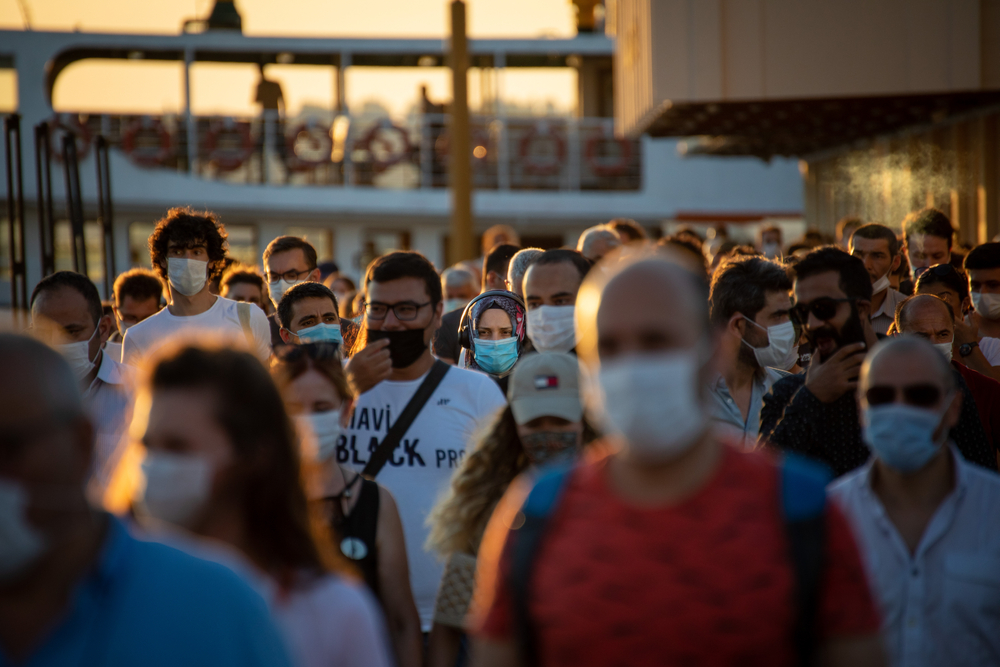
Photo: Ulad Ramanenka
Leave a Reply