














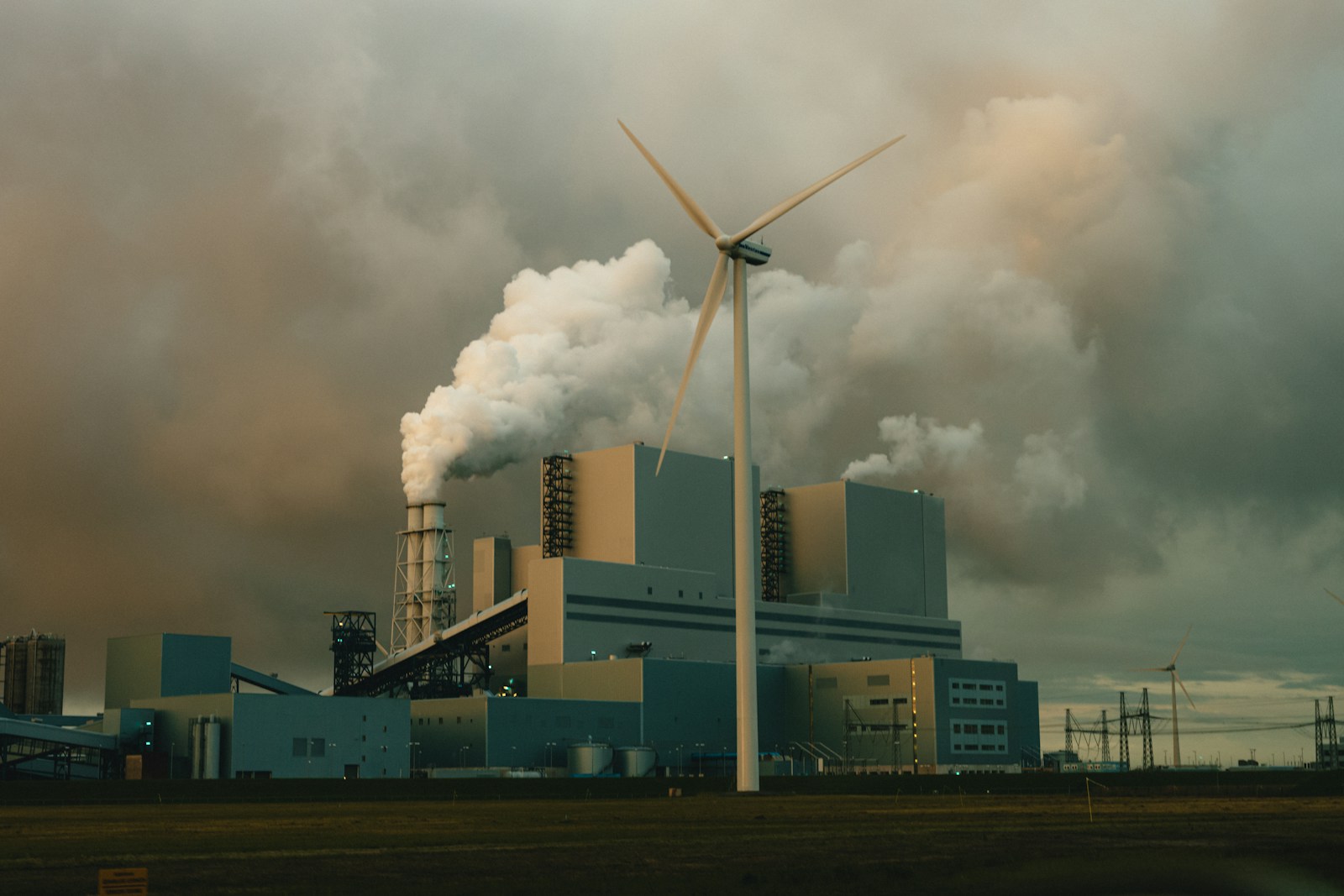
Attendees at the UN Climate Summit in Belem, Brazil have been told we are beginning to hit the peak of greenhouse gas output tied to global warming. But the numbers suggest otherwise.
According to the World Meteorological Organisation, the amount of carbon dioxide (CO2) in the atmosphere rose by more than any other year on record between 2023 and 2024. A record increase of 3.5 part-per-million was observed, compared with 2.3ppm during the preceding 12 months.
According to analysts, this is due to the sustained increase in burning fossil fuels – which proponents claim is necessary due to a rapid rise in electricity demand outpacing the development of renewable energy sources.
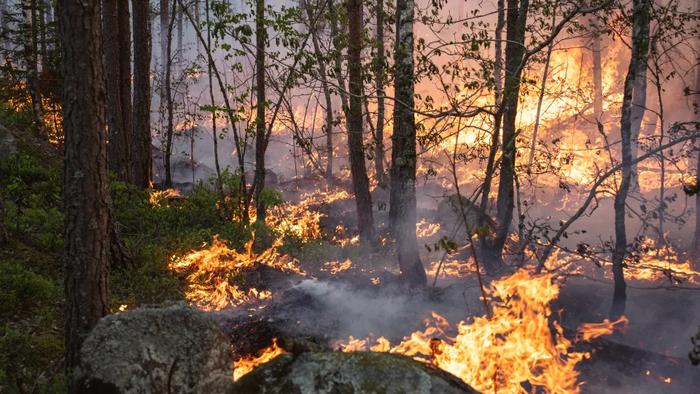
Meanwhile, the extent to which the planet’s climate has already changed due to industrial activity now means wildfires burn each year with devastating ferocity, adding even more carbon to the atmosphere.
South America’s tropical rainforests are a particularly volatile flashpoint within this, a situation exacerbated by an uptick in the rate of deforestation in areas such as Brazilian Amazon.
Blazes in the northern boreal forests of Canada, Scandinavia, and Russia are also a major cause for concern, due to the volume of carbon these dense woodlands are known to store.
Meanwhile, other ‘carbon sinks’ are growing weaker, a point which is backed up by recent warnings the first major climate tipping point may have been passed under our oceans.
Many coral reefs, a clear indicator of how healthy marine ecosystems are, may be incapable of recovering from sustained bleaching events, which also impact seagrass meadows and mangrove forests, among other species capable of storing CO2 naturally. Nevertheless, UN Climate Chief Simon Stiell addressed the COP30 summit in Brazil last week, where he talked of how the world was ‘now bending the curve of planet-heating emissions downwards’.
Image: Tim van der Kuip / Unsplash
More Fuels & Technology:
Leave a Reply