












The benefits of regular exercise, long considered to be one of the most effective ways to reduce the risk of premature death, may be undermined by poor air quality, according to new research.
The study, undertaken by a team which included University College London researchers, analysed data from over 1.5 million adults across multiple countries. It found that while leisure-time physical activity remains beneficial even in polluted environments, its protective effects begin to fade when PM2.5 levels reaches certain thresholds.

Combining data from seven studies, the team discovered that while meeting recommended exercise levels (equivalent to 150-300 minutes of moderate activity per week) reduced mortality risk by approximately 30% in areas with cleaner air, in regions where PM2.5 concentrations exceeded 25 µg/m³, this benefit dropped to just 12-15%.
At higher pollution levels this impact became more pronounced: in areas with PM2.5 concentrations between 35-50 µg/m³, the protective effects weakened considerably.
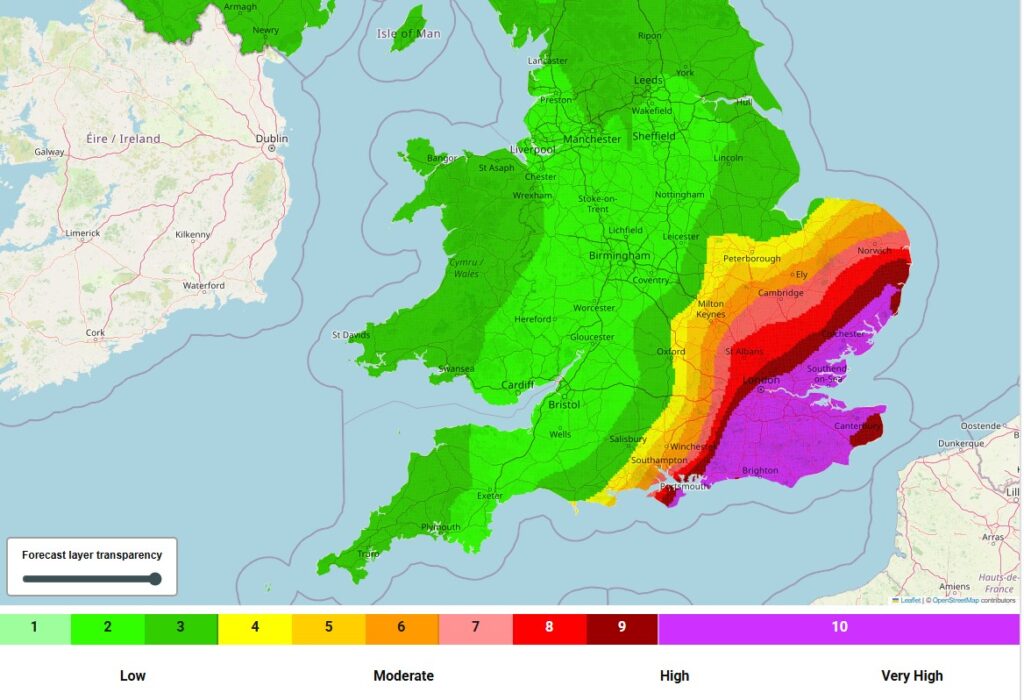
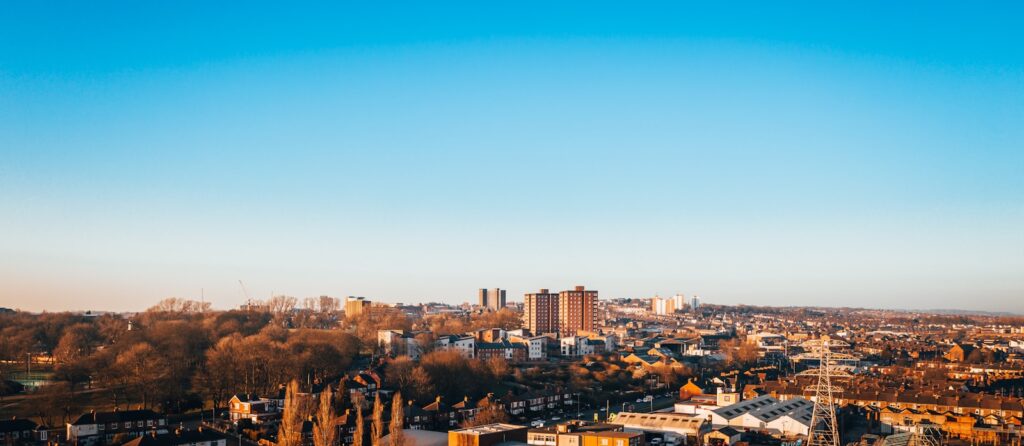
While UK annual averages are lower at 10 μg/m³, pollution spikes in British cities during winter months do exceed the critical 25 μg/m³ threshold identified in the study.
The patterns were consistent across different population groups, including men and women, younger and older adults, suggesting that the relationship between air quality and exercise benefits affects virtually everyone.
The implications are particularly concerning given that approximately 46% of the global population lives in areas where annual PM2.5 levels exceed 25 µg/m³, with roughly 36% exposed to concentrations above 35 µg/m³.
The researchers suspect that prolonged exposure to PM2.5 increases lung and systemic inflammation, damages blood vessel function and stiffens arteries – all key risk factors for cardiovascular disease. These harmful effects may explain why exercise becomes less protective at higher pollution levels.
Despite these findings, the researchers emphasise that physical activity remains beneficial even in polluted areas and should not be abandoned. Instead, they suggest that public health policies need to take a dual approach: promoting exercise while simultaneously implementing air pollution reduction measures.
Lead researcher, Professor Po-Wen Ku of National Chung Hsing University, Taiwan, said: ‘Our findings emphasise that exercise remains beneficial even in polluted environments. However, improving air quality can greatly enhance these health gains.’
Co-author Professor Andrew Steptoe, from UCL’s Department of Behavioural Science & Health, said: ‘Our study shows that toxic air can to some extent block the benefits of exercise, although not eliminate them. The findings are further evidence of the damage that fine particle pollution can do to our health.
‘We believe clean air and physical activity are both important for healthy ageing and so we encourage greater efforts to curb health-harming pollution levels.’
Co-author Professor Paola Zaninotto, from UCL’s Department of Epidemiology & Public Health, said: ‘We don’t want to discourage people from exercising outdoors. Checking air quality, choosing cleaner routes, or easing off intensity on polluted days can help you get the most health benefits from your exercise.’
In heavily polluted regions, they recommend incorporating air quality considerations into exercise guidelines, advising reduced-intensity or indoor activities during high-pollution days and expanding access to green spaces with cleaner air.
The full research can be read here.
Photo: Ketut Subiyanto
Leave a Reply