
















A pre-inquest review hearing is due to take place later this month into the death of 48-year-old stone worker Marek Marzec, who died after developing advanced silicosis linked to his work cutting engineered stone.
The hearing will be held at 10am on February 16th, marking the first stage in formal inquest proceedings into Mr Marzec’s death.
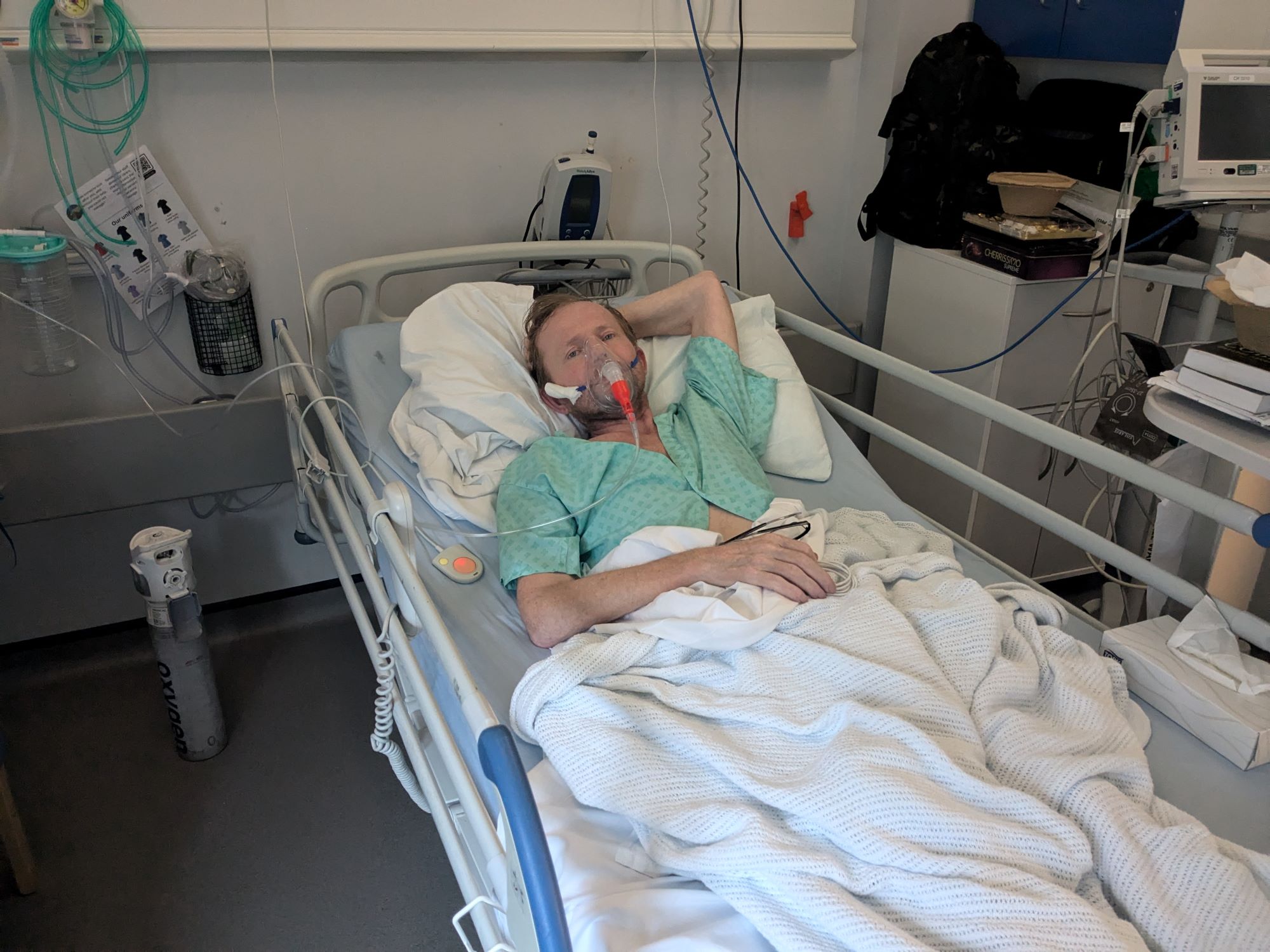
Mr Marzec died on 30 November 2024 at Whittington Hospital in north London, seven months after being diagnosed with silicosis. The father-of-two had worked for 12 years in London and Hertfordshire cutting and installing engineered stone kitchen worktops, also known as quartz or artificial stone, which contain high levels of respirable crystalline silica.
In October 2024, while receiving end-of-life care, Mr Marzec began legal action against a number of former employers. Represented by law firm Leigh Day, he alleged that he had been exposed to dangerous levels of silica dust while cutting kitchen worktops in unsafe conditions.
At the time, Leigh Day said it had seen a rise in workers diagnosed with silicosis after working with engineered stone. In a blog post published in July 2024, partner Ewan Tant and senior associate Andrew Cooper described a “new wave” of cases involving workers exposed to silica dust while cutting or drilling artificial stone.
They warned that many of those affected were developing an acute and aggressive form of silicosis, leading to severe breathlessness and disability, with lung transplantation often the only potential treatment. In the worst cases, they said, the disease could be fatal.
Speaking from his hospital bed shortly before his death, Mr Marzec said he had come to the UK to build a better life for his family but instead had been left ‘unable to breathe and in terrible pain’.
‘I cannot tell you how angry I am that I was allowed to work in these conditions and that my life has been cut short simply for doing my job,’ he said. ‘It is time for urgent action to stop these dangerous working conditions … before other stone workers contract this terrible disease and die.’
In 2024, the Australian government introduced a nationwide ban on engineered stone due to concerns about silicosis among workers. In the UK, however, ministers indicated that the Health and Safety Executive (HSE) was not considering restricting its use, stating that existing regulations under the Control of Substances Hazardous to Health (COSHH) required employers to control exposure to respirable crystalline silica.
At the time, a government minister told the House of Lords that ‘our information is that nobody has suffered any long-term exposure to silicosis.’ Mr Marzec’s case was cited by his legal team as evidence to the contrary.
Leave a Reply