















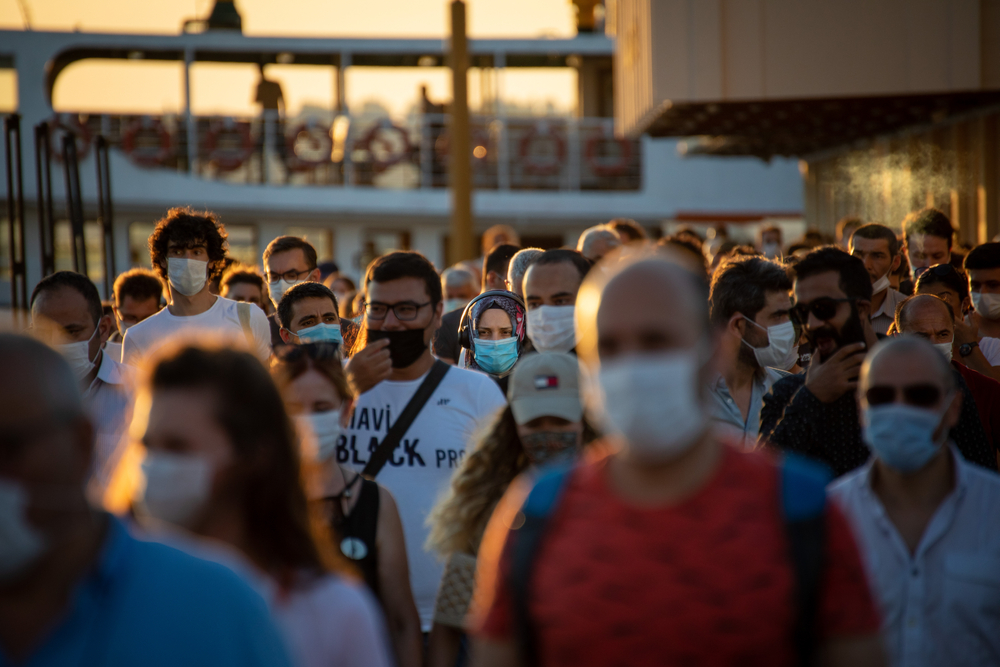

An air quality alert has been issued across parts of Michigan as warming temperatures and melting snow combine to elevate fine particulate pollution levels, particularly in more densely populated areas.
According to the Michigan Department of Environment, Great Lakes, and Energy (EGLE), the seasonal snowmelt is contributing to increased concentrations of PM-2.5 in the area.
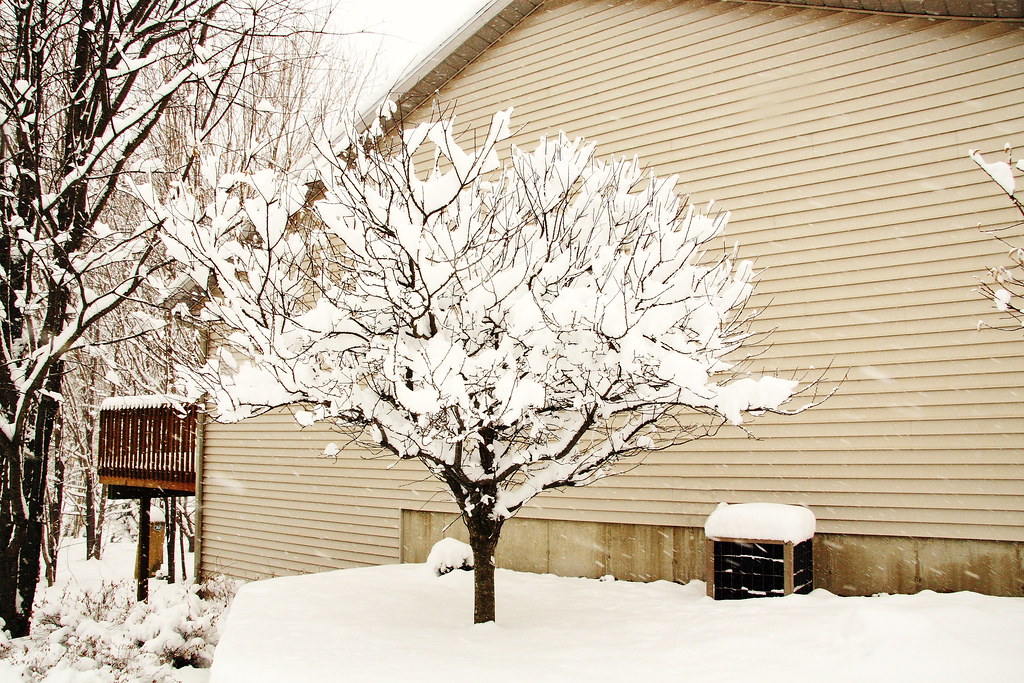
Alec Kownacki, a meteorologist in the Air Quality Division at EGLE, explained that snow acts as a temporary holding system for pollutants throughout the winter.
‘Basically, the very small, fine dust particles that make up PM 2.5 get trapped in the snow when it’s falling. So when that snow melts, those particulates are released back into the atmosphere. Also with melting snow, it creates a more moist atmosphere, by allowing more water droplets into the air, so those same particulates can latch onto water droplets and be transported or stagnate in areas. These particulates can be both manmade (industrial sources or cars) or natural occurring particulates that fall under PM-2.5, like different chemical compounds.’
As temperatures rise, the accumulated pollutants – from vehicle emissions to industrial output and naturally occurring compounds – are released back into the air. The added moisture in the atmosphere can allow those particles to linger or travel short distances before settling, especially when wind speeds remain low.
Kownacki noted that this is not an unusual occurrence for Michigan during late winter or early spring. ‘This happens pretty much every year when we have a dense snowpack and temps warm up enough to start melting. The kicker is that this weekend will have pretty light winds so the PM 2.5 concentrations will start to accumulate. Especially in the Detroit and Grand Rapids (more populated) areas.’
Communities in and around Detroit and Grand Rapids were warned that they may experience reduced air quality as a result, with officials urging residents – particularly those with asthma, heart disease or other respiratory conditions – to limit prolonged outdoor activity if air quality levels reach unhealthy ranges.
Leave a Reply