
















Environmental factors are responsible for nearly one in five cardiovascular deaths across the European Union, according to a new briefing from the European Environment Agency (EEA).
The report underscores how pollution, temperature extremes, noise and chemical exposure contribute to a growing health crisis that claims more than 1.7 million lives each year – around one-third of all EU deaths in 2022.
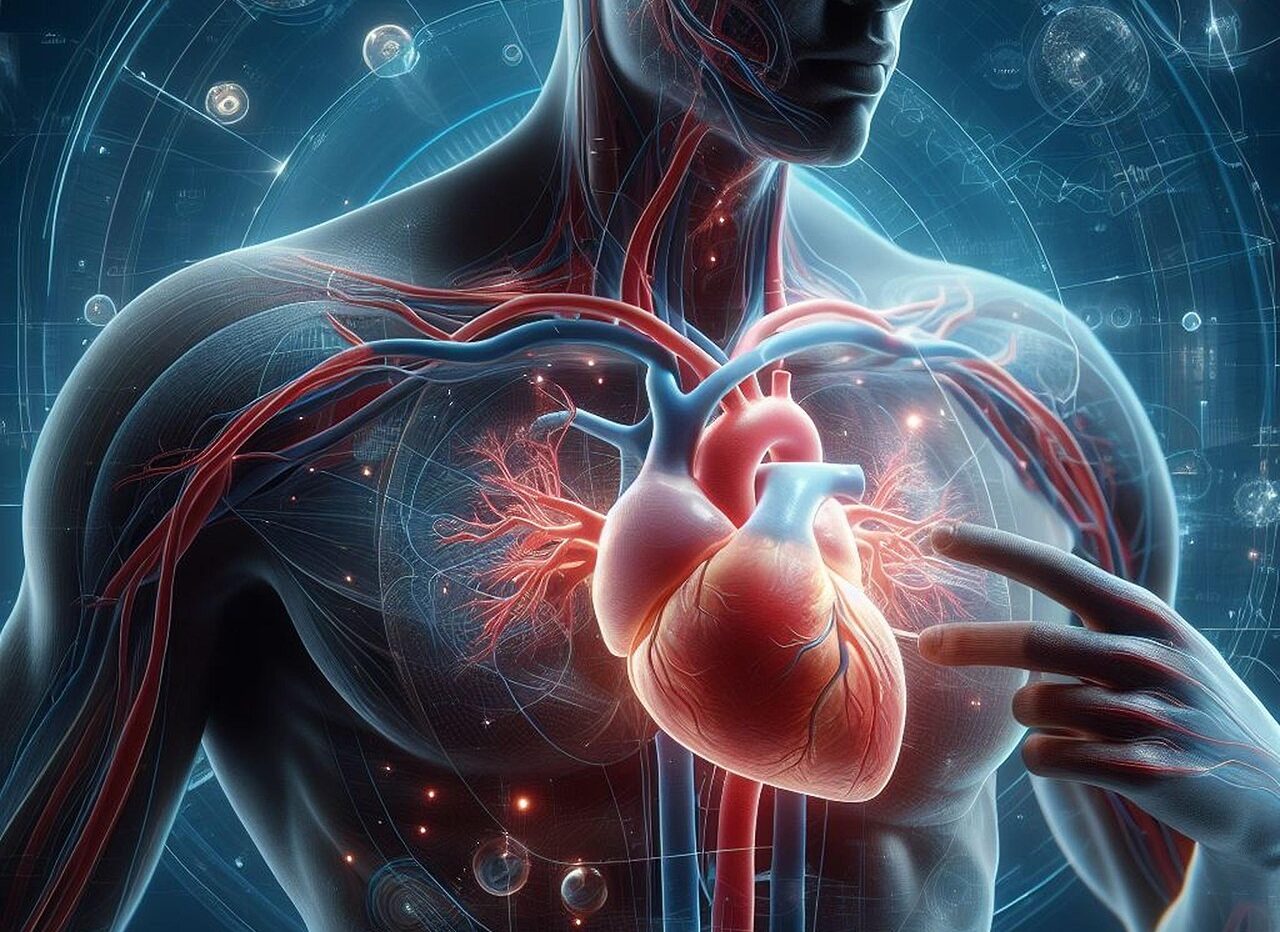
The EEA’s findings have been released ahead of discussions on the EU Cardiovascular Health Plan and highlight the urgent need for environmental and public health policies to work in tandem to reduce preventable deaths.
Air pollution is identified as the most significant environmental risk to cardiovascular health, accounting for around 8% of all cardiovascular deaths in the EU. PM2.5 alone is estimated to cause over 130,000 deaths from ischaemic heart disease and stroke annually and contributes to more than one million years of life lost each year.
Nitrogen dioxide and ozone also play major roles in exacerbating cardiovascular conditions such as heart failure and arrhythmia. The health burden, however, is not evenly distributed, with regions of lower socioeconomic status tending to experience higher PM2.5 concentrations and greater exposure to environmental hazards.
Second-hand smoke, another form of air pollution containing thousands of chemicals, is linked to around 2% of cardiovascular deaths in Europe. The EEA warns that emissions from e-cigarettes could pose comparable long-term risks, although evidence is still emerging.
Beyond air pollution, transport noise from road, rail, and air traffic contributes to roughly 66,000 premature deaths annually, with about a third directly tied to cardiovascular causes. Constant exposure to traffic noise is estimated to trigger 50,000 new cardiovascular disease cases each year.
In terms of chemical exposure, heavy metals such as lead, mercury and arsenic elevate cardiovascular risk even at low concentrations, with lead alone estimated to cause between 2% and 4% of cardiovascular deaths. Concerns are also rising around endocrine-disrupting chemicals and persistent pollutants like PFAS (“forever chemicals”), which are increasingly linked to heart disease.
Climate-related risks amplify these threats. Between 1980 and 2023, heatwaves accounted for 95% of weather and climate-related deaths in Europe. People with cardiovascular conditions face a 16% higher likelihood of hospitalisation during extreme heat, while cold weather continues to contribute to about 7% of cardiovascular deaths.
The EEA stresses that these risks are largely preventable. Implementing stronger policies—such as the revised Ambient Air Quality Directive – could significantly lower pollution levels and align them with World Health Organization guidelines. The agency calls for a ‘One Health’ approach that connects environmental protection with disease prevention, urging cross-sector collaboration and investment in green urban spaces to safeguard Europe’s cardiovascular health.
The full briefing can be read here.
Photo: Aakash Dhage / Unsplash
Leave a Reply