

















Environmental inequality is far worse in the post-industrial cities of Northern England than the national average, according to new research from the University of Sheffield.
Low-income and ethnically diverse communities in these areas face exposure to harmful air pollution that is up to 33% higher than their wealthier neighbours.

This figure is more than double the national disparity of 15%, indicating that the legacy of heavy industry continues to shape a profound environmental health divide.
The study, published in the Journal of Environmental Management, focused on ten cities, comparing major industrial centres like Liverpool, Leeds and Sheffield with regional cities like Durham and Scarborough, which have a rural history.
The research found that in cities like Leeds and Sheffield, levels of nitrogen dioxide were over 40% higher in low-income, diverse neighbourhoods. In contrast, the regional cities showed little to no link between demographics and pollution levels
The inequality is compounded by the poor quality of green spaces in affected communities.
Dr Maria Val Martin, an UKRI Future Leaders Fellow and Atmospheric Scientist in the University of Sheffield’s School of Biosciences, said: ‘Low-income and diverse communities in Northern English cities with a history of heavy industry face a triple burden: worse air quality, lower vegetation density and nearby greenspaces that are often located close to traffic or neglected.
‘As well as the well-established health risks from air pollution, limited access to quality, functional green environments can also impact the mental wellbeing of people who rely on these areas for recreation.’
While parks are often accessible, they tend to have sparse vegetation and are frequently located next to busy roads, severely limiting their ability to mitigate the high levels of pollution. This creates a ‘double burden’ where the very spaces intended to promote health offer reduced benefits.
It was found that 83% of the greenest urban areas in major cities still exceed WHO NO₂ guidelines, showing that vegetation alone cannot offset heavy traffic emissions in dense urban environments.
Dr Val Martin explained: ‘During the industrial revolution, housing for workers was built very close to factories and major transport routes and we are still seeing the impact of that today.
‘Lower income and ethnically diverse communities remain disproportionately concentrated in high traffic areas with limited or degraded greenspace.
‘While measures such as planting trees and improving green spaces are very important, it is not a silver bullet to tackle this deep-seated environmental injustice.’
The study argues for a move away from generic urban planning, advocating for targeted solutions in the hardest-hit cities. These include clean air zones, vegetated barriers and the restoration of neglected parks to create effective green buffers.
The research argues that tackling urban environmental inequality requires integrated strategies that combine high-quality green infrastructure with strong emissions reduction, particularly in cities shaped by industrial legacies.
The full research can be accessed here
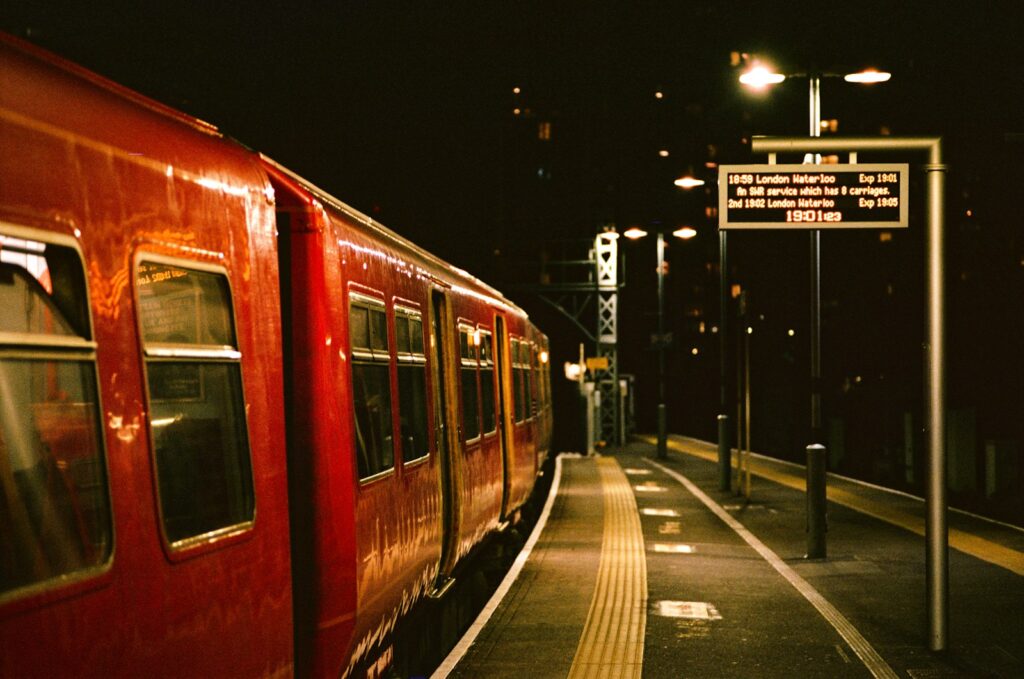
Photo: Harrison Qi / Unsplash
Leave a Reply