













Communities of colour and low-income neighborhoods in the US face significantly higher concentrations of multiple environmental hazards, a new study has found.
Rather than focusing on a specific environmental burden, the research by Paul Mohai and Charles Lee analysed 13 environmental indicators across over 80,000 census tracts (areas with a population of around 1,500-8,000), across all 50 states and Puerto Rico.

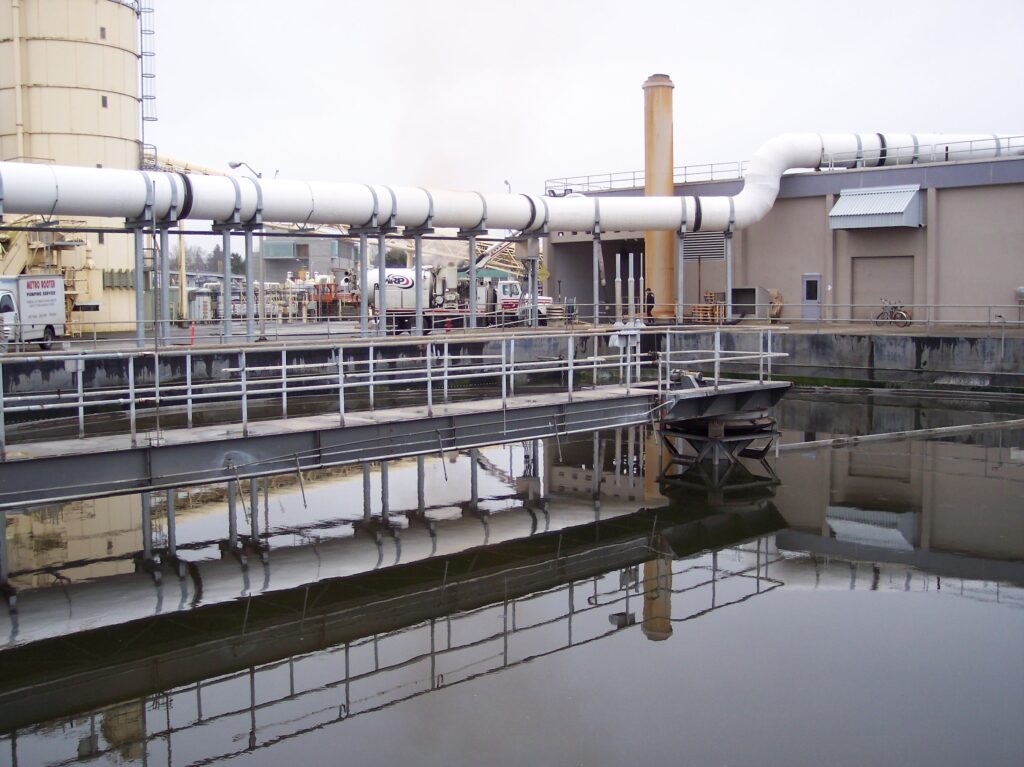
These burdens included wastewater discharge, toxic air pollutants and proximity to sites contaminated with hazardous waste.
Using the EPA’s EJScreen tool, the study examined not only the intensity of individual environmental threats but also how many different hazards exceed safety thresholds in a given area.
This approach allowed them to identify where multiple, high-intensity environmental burdens converge, rather than examining pollutants in isolation.
By linking EJScreen’s environmental indicators with U.S. Census demographic data, the study assessed whether areas with these high cumulative burdens were also home to particular population groups.
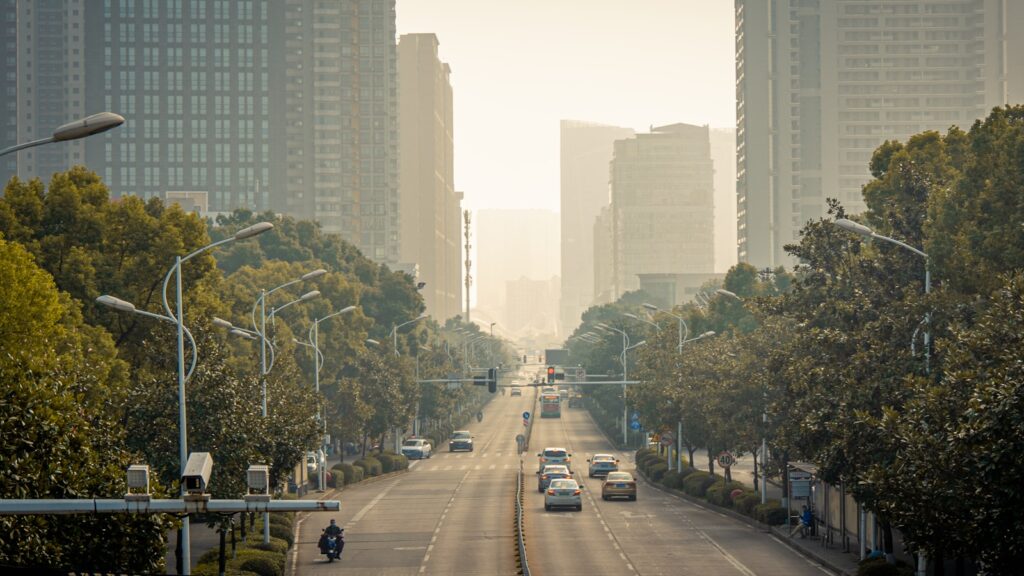
The findings indicate that as air pollution levels increase – particularly beyond the 90th percentile – the percentage of people of colour and residents with limited English proficiency rises sharply and consistently. These groups were found to be the strongest predictors of where high concentrations of multiple environmental burdens, such as air pollutants, are located.
Paul Mohai, lead author of the new report and a professor at the University of Michigan School for Environment and Sustainability (SEAS) said: ‘We found very strong relationships between where multiple burdens are concentrated and where vulnerable populations are also concentrated.’
While socioeconomic factors such as low income and lower education levels also correlated with higher pollution exposure, race and language disparities remained the most significant indicators. The study reinforces earlier evidence that racial gaps in air pollution exposure persist across all income levels.
Mohai explained: ‘These relationships were stronger for racial and ethnic categories than for other socioeconomic categories, reflecting outcomes of a long history of public policies that have segregated and disadvantaged certain populations in the U.S.’
Co-author Charles Lee, a visiting scholar at the Howard University School of Law and former director of the Office of Environmental Justice at the U.S. EPA said: ‘People don’t live with one type of pollution at a time. They live in communities that can have a lot of pollutants and social stressors that can lead to great impacts.
‘This has a lot of relevance to help better understand the processes that led to this – say, for example, redlining – and their impact in terms of the creation and structuring of American neighborhoods.’
Mohai concluded: ‘I think this type of work will only stop when the problems are solved. As long as the disparities and inequities exist, we’re going to see continued attention to these issues.’
The full research can be read here.
Photo: Documerica / Unsplash
Leave a Reply