
















A new study has found that simple changes to how we manage composting can dramatically cut harmful emissions while producing higher-quality fertiliser – which represents good news for farmers, waste facilities and the environment alike.
The research, published in Environmental and Biogeochemical Processes, is one of the largest analyses of composting practices ever conducted. Scientists examined data from 135 studies and nearly 1,700 experiments around the world, looking at how different management techniques affect the gases compost releases and the quality of the fertiliser it produces.
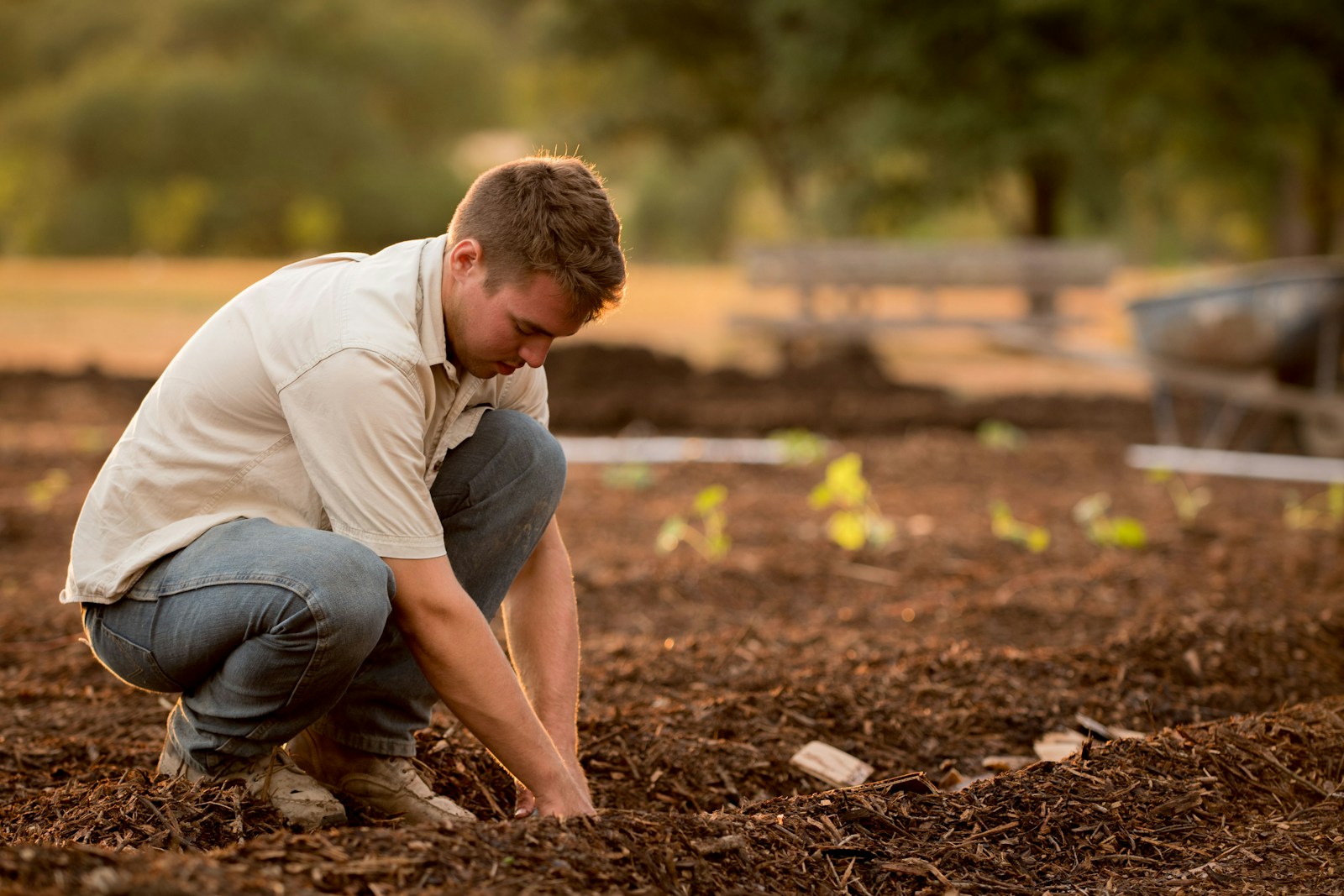
Composting is widely seen as an eco-friendly way to recycle food scraps, agricultural waste and other organic material back into the soil. But when composting is poorly managed, it can release significant amounts of methane, nitrous oxide, and ammonia – gases that contribute to climate change and cause the odours often associated with composting facilities.
The good news is that these problems are largely preventable. The researchers tested four broad categories of intervention: biological approaches such as adding beneficial microbes, chemical additives such as biochar and gypsum, physical improvements like better aeration, and mechanical techniques including mixing and electric field technologies. Across the board, these strategies delivered positive results.
Methane emissions fell by around 69%, nitrous oxide by 83%, and ammonia – responsible for many of those smells – by 78%. Compost temperatures rose by nearly half, which helps kill pathogens and break down organic matter more efficiently. Crucially, nitrogen levels in the finished fertiliser increased by almost 89%, meaning the resulting product is significantly more valuable for growing crops.
Of all the methods tested, biochar stood out as the single most effective tool. This carbon-rich material, made by burning biomass in low-oxygen conditions, has a sponge-like structure that traps pollutants and locks in nutrients during the composting process.
The researchers also found that there is no one-size-fits-all solution. The best approach depends heavily on what is being composted – manure, food waste and sewage sludge each behave differently and require tailored strategies.
One of the study authors said: ‘Our analysis shows that composting can be optimised to simultaneously reduce environmental pollution and improve fertiliser quality. By choosing the right management strategies, operators can make composting both environmentally sustainable and agriculturally beneficial.’
The full research can be read here.
Photo: Jed Owen / Unsplash
Leave a Reply