














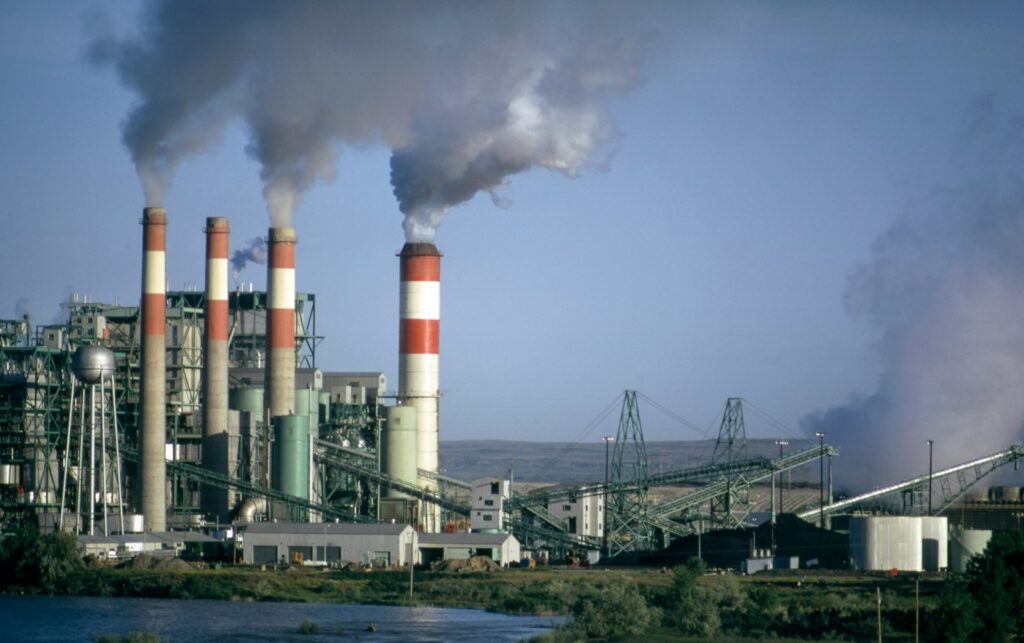


A 25-year study led by the Barcelona Institute for Global Health finds that PM2.5 increases the risk of all lung cancer subtypes, while several gaseous pollutants are associated with non-small-cell lung cancer.
The research, conducted in collaboration with the American Cancer Society (ACS) and supported by the “la Caixa” Foundation, adds to the growing evidence that air pollution is a major contributor to lung cancer, the leading cause of cancer death worldwide.
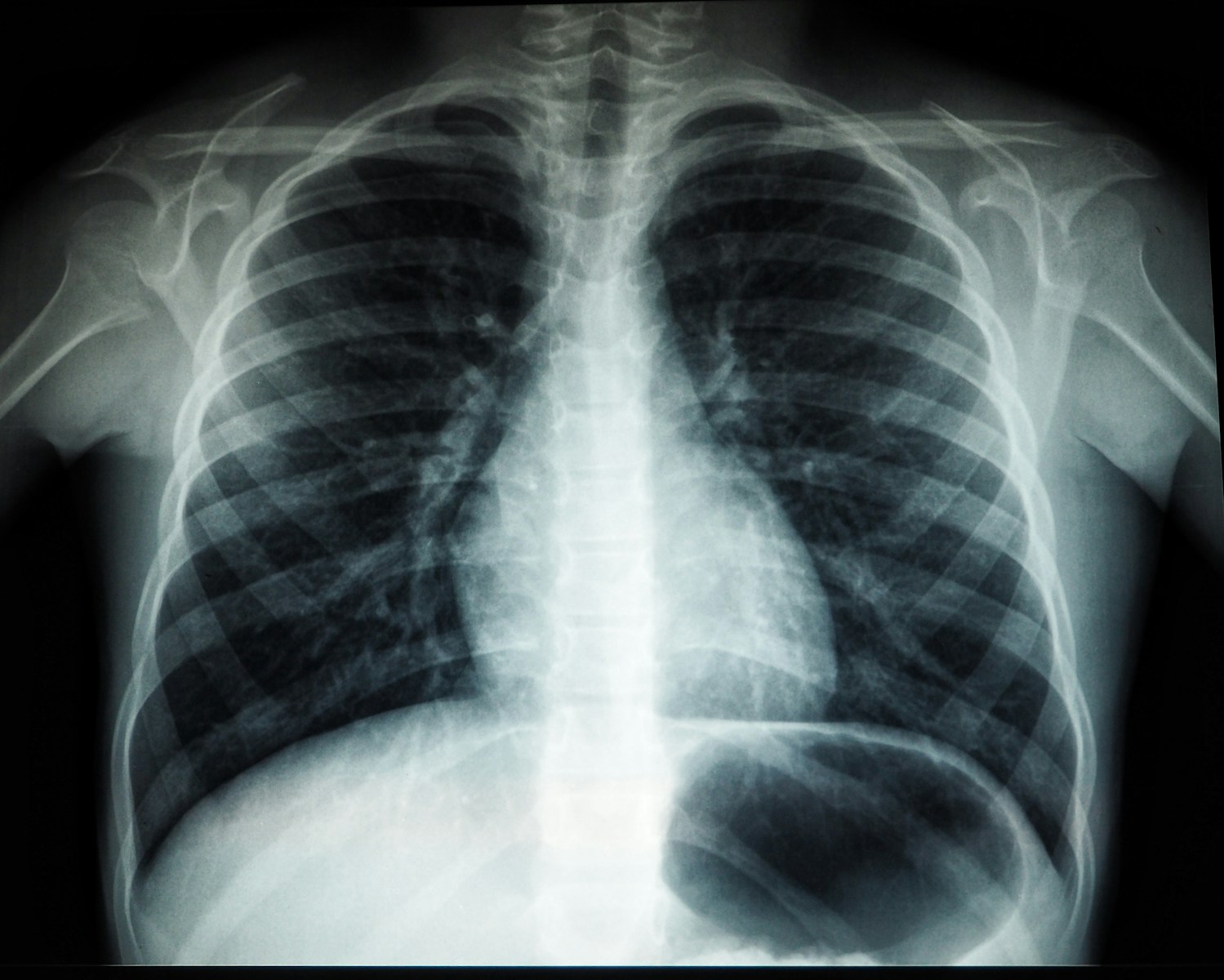
The study followed more than 122,000 participants from the ACS Cancer Prevention Study-II cohort in the United States over a 25-year period, from 1992 to 2017. Participants regularly updated information on their health, lifestyle and cancer diagnoses, while researchers estimated their annual exposure to several air pollutants, including PM2.5, PM10, nitrogen dioxide (NO₂), ozone (O₃), sulphur dioxide (SO₂) and carbon monoxide (CO).
During the follow-up period, 4,282 cases of lung cancer were identified. The analysis accounted for changes in pollution exposure over time and adjusted for key individual risk factors, including smoking history.
Lung cancer is broadly divided into non-small-cell lung cancer, which includes adenocarcinoma, squamous cell carcinoma and large cell carcinoma, and small-cell lung cancer, a less common but more aggressive form strongly linked to smoking.
Researchers found that exposure to PM2.5 increased the risk of lung cancer across all histological subtypes. The effect was consistent regardless of whether the cancer was adenocarcinoma, squamous cell carcinoma or large cell carcinoma.
‘These findings reinforce the classification of PM2.5 as a lung cancer carcinogen, ‘the authors noted, highlighting that its impact extends across the full spectrum of lung cancer types.
The study also uncovered important differences between pollutants. NO2, O3 and SO₂ were associated with a higher risk of non-small-cell lung cancer, but not with small-cell lung cancer.
Within non-small-cell lung cancer, NO2 showed a particularly strong association with adenocarcinoma, the most commonly diagnosed subtype. O3 exposure was linked to an increased risk of large cell carcinoma. No consistent links were found between these pollutants and small-cell lung cancer, suggesting that pollution-related mechanisms may differ from those driven primarily by smoking.
When researchers examined survival after a lung cancer diagnosis, they found no clear association between air pollution exposure and survival across all patients combined. However, among patients diagnosed at an early stage, exposure to SO2 was associated with lower survival rates, pointing to a possible effect of pollution on disease progression in specific groups.
Michelle C. Turner, an ISGlobal researcher and the paper’s senior author, said: ‘We have observed that air pollution is not associated with all types of lung cancer in the same way. Our results reinforce the importance of integrating local air quality into healthcare plans and assessing each patient’s environmental exposure to identify additional risks.’
The full research can be read here.
Photo: Umanoide
Leave a Reply