














A new scientific study has found that air pollution could make people more vulnerable to COVID-19 by helping the virus enter the body more easily.
The research, published in Nature Communications and led by scientists at Tsinghua University, appears to have solved a long-standing medical mystery: why breathing dirty air seems to make people more susceptible to COVID-19.
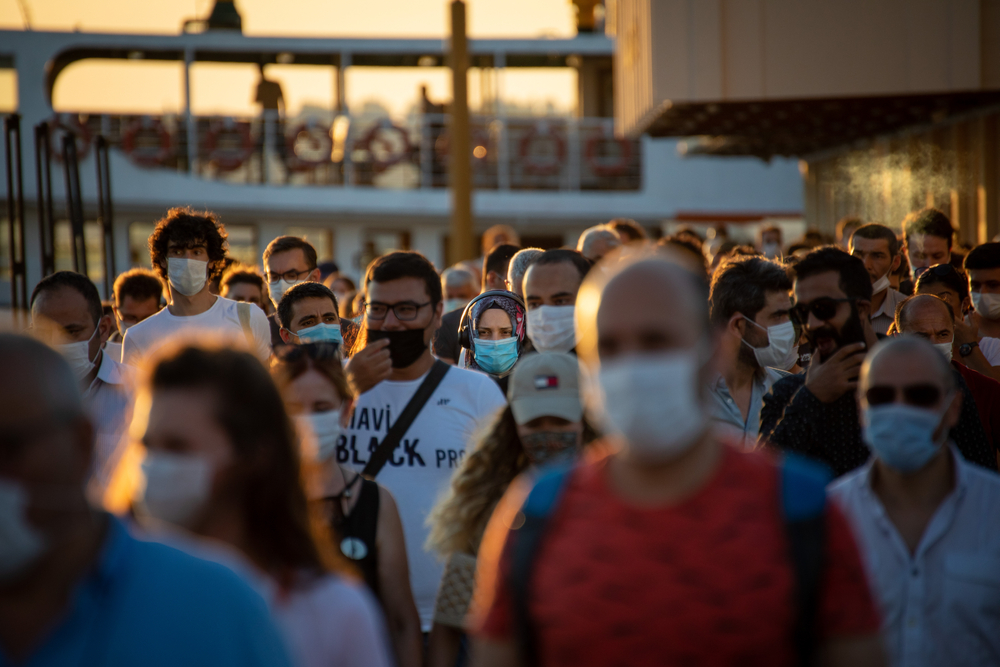
Focussing specifically on PM2.5, the researchers used artificial intelligence, genetic data and lab experiments, to find that that these particles may act as a ‘vehicle’ for the virus. This can increase the chances of infection by helping the virus get inside human cells.
To reach their findings, the team first used an AI model to analyse lung cell data. The model identified similarities between how the body responds to air pollution and how it responds to COVID-19 infection. In particular, both seemed to affect how cells handle immune responses and transport materials internally.
The researchers then looked at health data from more than 60,000 people in the UK. Using data collected from 105 DEFRA air quality stations, they found that individuals exposed to higher levels of PM2.5 pollution were more likely to become infected with COVID-19.
Further genetic analysis pointed to a gene called NPC1, which plays a role in how cells process cholesterol. The study found that this gene also helps the virus escape from compartments inside the cell, allowing it to spread more easily. When scientists altered this gene in lab experiments, the virus struggled to replicate as effectively.
Importantly, the study suggests that pollution may allow the virus to enter cells through a different route than previously understood, not relying solely on the well-known ACE2 receptor.
The researchers say the findings highlight the wider health risks of air pollution and could have implications for public health planning, especially in areas with high pollution levels.
The full research can be read here.
Leave a Reply