
















A newly identified microbial process could be quietly adding large amounts of mercury to the air each year, according to a study undertaken by researchers at Nankai University in China
Elemental mercury (Hg⁰) is a toxic air pollutant that can travel thousands of miles and circulate around the globe. For years, scientists have struggled to fully explain the levels of mercury measured in the atmosphere. Known sources, such as coal burning, mining and industrial processes, do not completely account for what monitoring stations detect. Researchers have suspected that an important source might be missing.
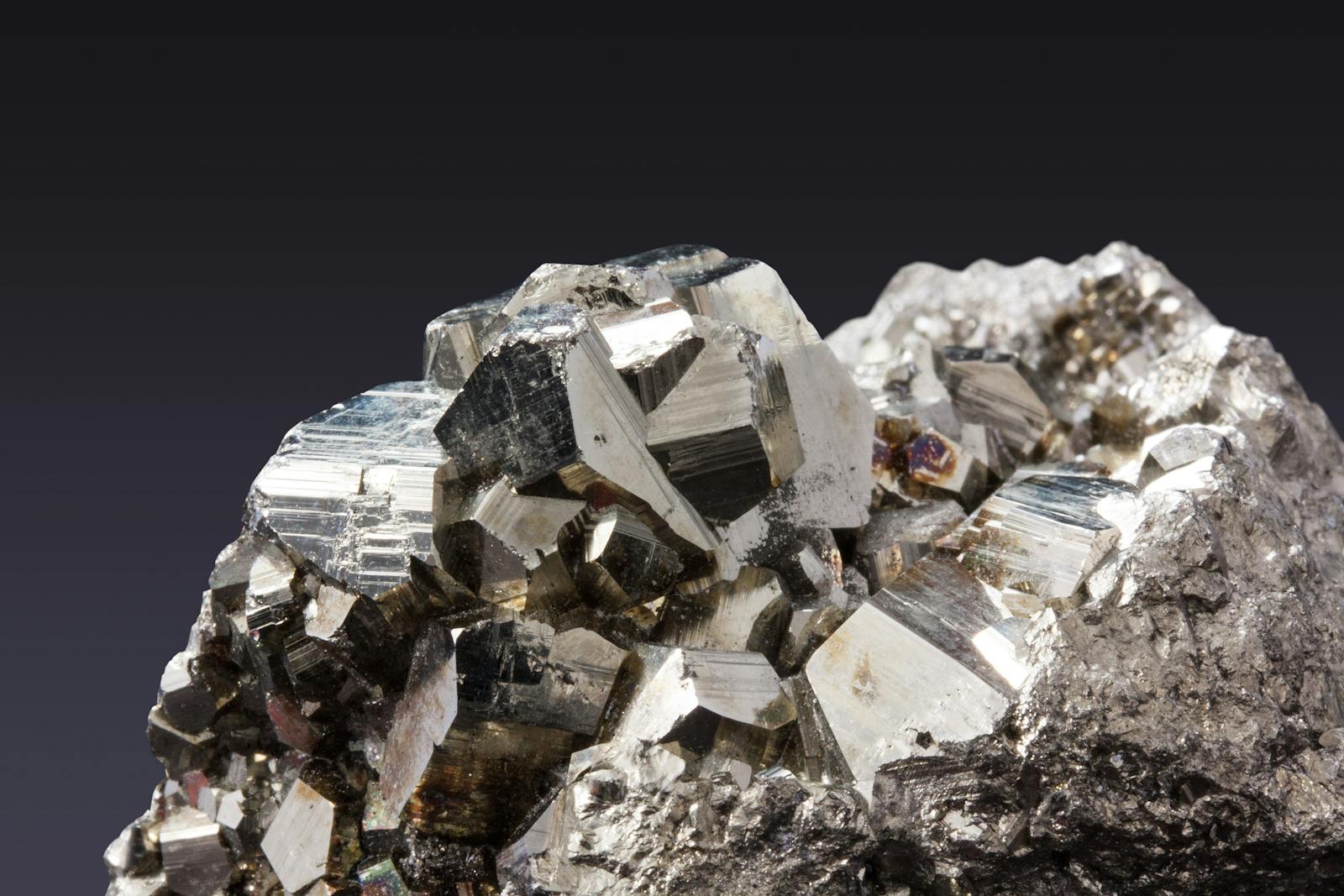
The new study points to an unexpected culprit: microbes that feed on tiny mineral particles containing mercury.
Mercury often occurs in the environment as mercury sulfide, a mineral long thought to be chemically stable and relatively immobile. But the research team found that when mercury sulfide forms as extremely small particles, measured in billionths of a metre, it behaves very differently.
In laboratory experiments, the scientists showed that certain chemolithoautotrophic microbes – organisms that obtain energy by oxidizing inorganic compounds – can use mercury sulfide nanoparticles as their only energy source. These included sulfur-oxidizing and iron-oxidizing microbes.
As the microbes break down the nanoparticles to fuel their growth, they release elemental mercury (Hg⁰), a volatile form that can escape into the atmosphere, spread across the planet and eventually settle back into ecosystems. Here it can be converted into methylmercury, a potent neurotoxin that accumulates in fish and poses serious risks to human health.
Particle size appears to be crucial. The researchers found that nanoscale mercury sulfide particles can enter microbial cells more easily than dissolved forms of mercury, which usually require tightly regulated uptake systems. Once inside the cell, microbial metabolism breaks down the mineral. The mercury is then transformed into elemental mercury and released.
In other words, microbes are not just interacting with mercury in soils, they may be actively turning it into a form that can re-enter the atmosphere.
To understand how important this process might be beyond the lab, the team combined their experimental data with global information on soils, nanomineral occurrence and microbial activity.
Their estimate suggests that this microbe-driven mechanism could release about 272 ± 135 tonnes of elemental mercury per year worldwide, a figure comparable to the emissions from global cement production, currently ranked as the world’s fourth-largest human-made source of mercury.
If accurate, the finding means that natural soil processes involving nanoparticles and microbes may represent a previously overlooked but significant component of the global mercury cycle.
The authors say their results highlight the need to rethink how mercury moves through the environment. Current emission inventories and atmospheric models may not account for nanomineral–microbe interactions, particularly in soils and other environments where chemolithoautotrophic microbes thrive.
By incorporating this newly identified pathway, scientists may be able to better explain atmospheric mercury levels and improve predictions of how mercury pollution will respond to environmental change.
The discovery adds another layer of complexity to the global mercury cycle – and suggests that even the smallest particles, working through microscopic life, can have planet-wide effect.
The full research can be read here.
Photo: Pixabay
Leave a Reply