













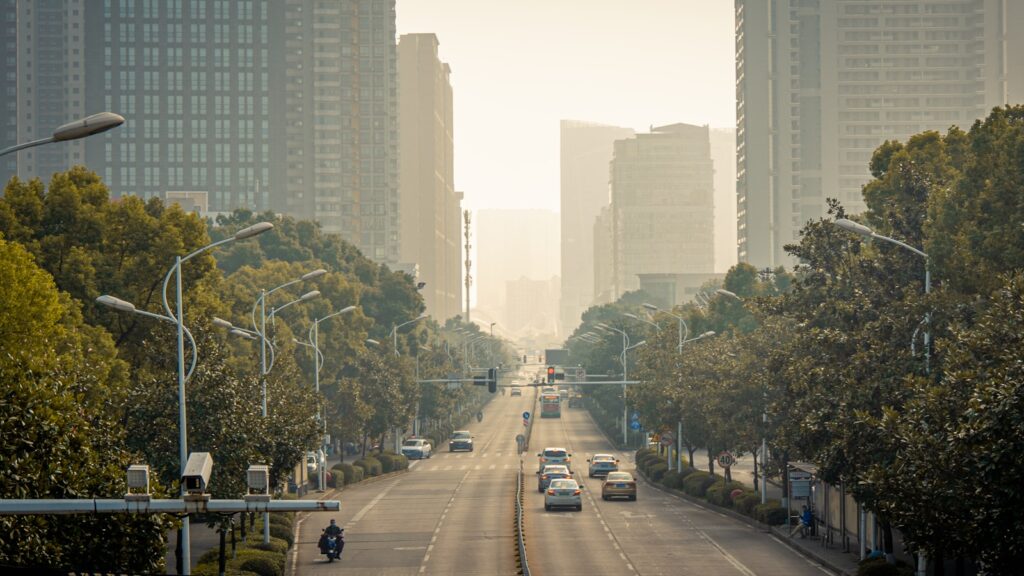

Air quality in central Brixton has improved dramatically, bringing an end to the repeated legal breaches that once blighted one of south London’s busiest roads, according to a new report from Lambeth Council.
Data published in the council’s latest Air Quality Action Plan review shows that Brixton Road, which runs through the heart of the town centre, recorded no breaches of air quality limits in 2024. That marks a striking turnaround from 2015, when the same monitoring station logged 883 exceedances of the legal limit.

Photo by Sam Mellish
The findings were presented to Lambeth Council’s Cabinet on 2 February and are being hailed as evidence that sustained local action can deliver meaningful improvements in air quality.
Councillor Rezina Chowdhury, Deputy Leader and Cabinet Member for Sustainable Lambeth and Clean Air. said: ‘This is a huge breakthrough for Lambeth. We have pledged that our children in particular shouldn’t be exposed to toxic air so I’m delighted at this news.
‘We’ve worked incredibly hard alongside our communities, our schools and the Mayor of London to make a difference. Our network of healthy neighbourhoods, our groundbreaking kerbside strategy and our ambitious school streets programme have all contributed.’
The review shows sharp reductions across the borough in key pollutants such as nitrogen dioxide and fine particulate matter, which are linked to respiratory and cardiovascular disease. Lambeth now meets UK air quality standards and is working towards the stricter limits recommended by the World Health Organization.
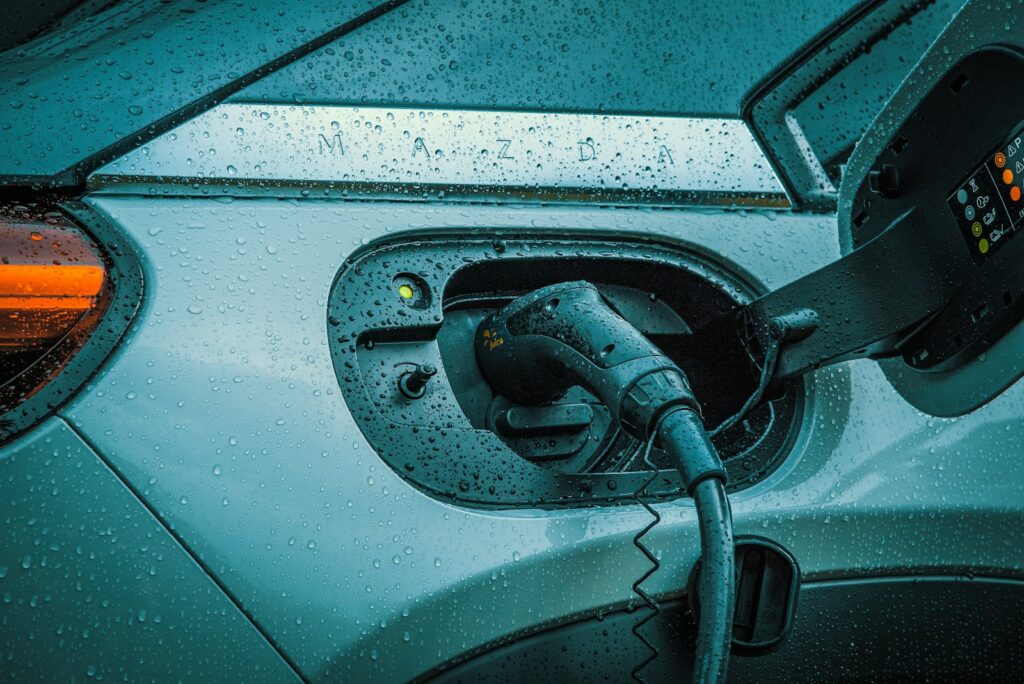
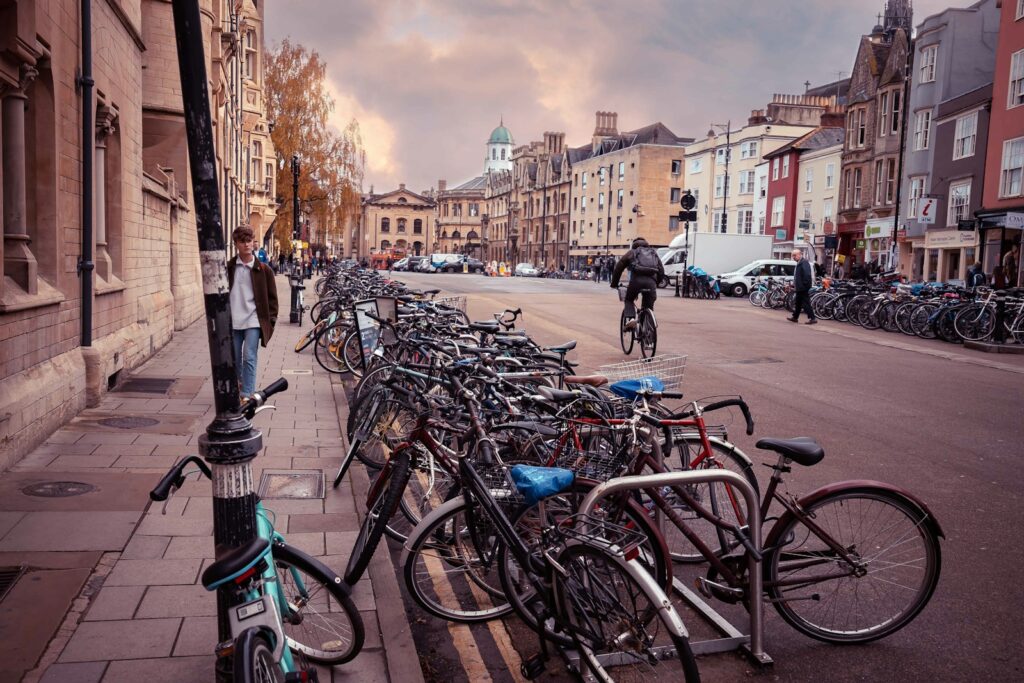
Council leaders say the improvement reflects a combination of borough-wide, London-wide and national measures. These include the introduction of more than 45 school streets to cut traffic outside schools, the rollout of 2.8 kilometres of protected cycle lanes, the installation of hundreds of electric vehicle charging points, and the planting of more than 12,000 trees.
At a city level, nitrogen dioxide concentrations across London are now estimated to be 27 per cent lower than they would have been without the Ultra Low Emission Zone. Lambeth has also electrified parts of its own vehicle fleet, including bin lorries, and is working towards 90 per cent zero-emission machinery in its parks service.
Cllr Chowdhury said: ‘Families and teachers told us they were sick of choking on toxic fumes at the school gates, which is why we rolled out the UK’s most comprehensive school streets programme, covering the majority of Lambeth primary schools.
‘We’re serious about building on the important progress we’ve made, and will continue working with our partners in the community, as well as the Mayor of London and central government to reduce emissions, particularly from transport, construction and gas heating.’
The new Air Quality Action Plan replaces the previous 2023–25 strategy and sets out further measures, including tighter monitoring of construction sites, air quality testing in council homes, expanded EV charging and support for low-emission freight.
Addressing the Cabinet meeting, Zak Bond of the Clean Cities Campaign said: ‘Lambeth is widely seen as a borough that is ambitious in cleaning up the air for residents and visitors, and as a place which reaches above the low-hanging fruit towards ambitious action.
‘I really welcome the fact that there is a section on freight in the action plan, which is a great step forward.’
Leave a Reply