



















Simple household factors, from smoking indoors to lacking an extractor fan, are strongly linked to worse asthma symptoms in adults, according to a new study from Texas A&M University.
The research, published in the journal Atmosphere, analysed data from more than 1,500 Texas adults with asthma who took part in a national health survey between 2019 and 2022. Researchers examined how a range of home environmental factors affected four key outcomes: asthma attacks, recent symptoms, sleep disruption and limited daily activity.
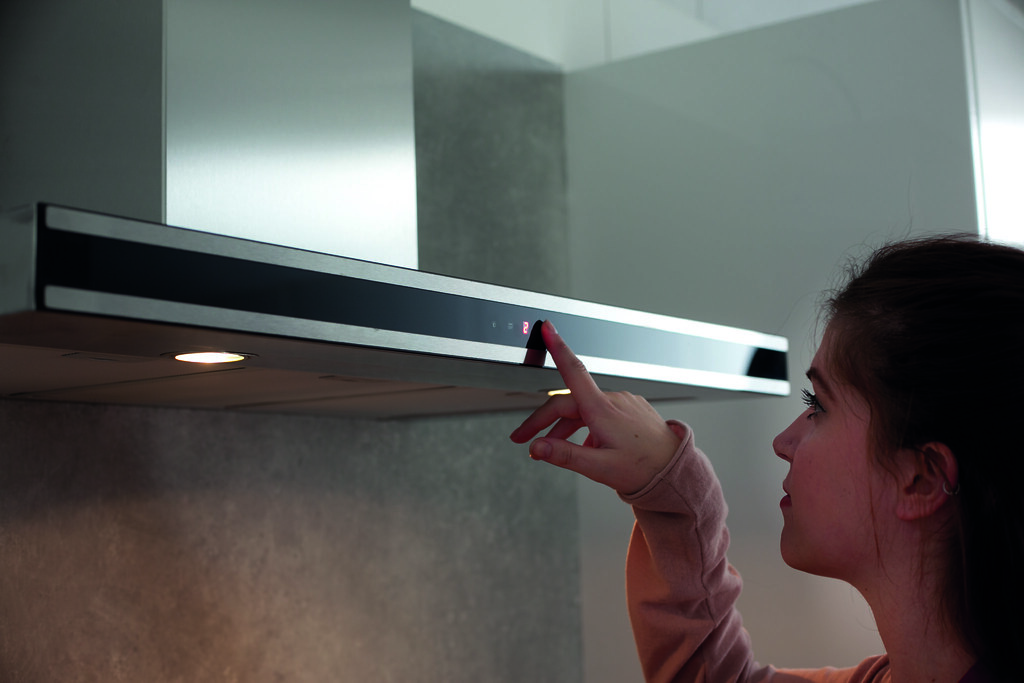
It was found that homes without working ventilation, where people smoke or where mould, rodents or cockroaches are present were associated with significantly higher odds of poor asthma control.
Current smokers had more than twice the odds of experiencing asthma attacks compared to non-smokers and also reported higher rates of sleep difficulties and activity limitations. The absence of a bathroom extractor fan was linked to a 38% increase in the odds of sleep problems, while lacking a kitchen fan increased the odds of recent asthma symptoms by 24%.
Air purifiers emerged as an important protective factor. Adults who did not use an air purifier were 50% more likely to report sleep problems and 63% more likely to experience activity limitations due to asthma.
The absence of mould, rodents and furry pets was consistently protective across all outcomes. Those living without visible mould had around half the odds of reporting sleep difficulties or recent symptoms. Homes without cockroaches, mice or rats also showed significantly lower asthma morbidity.
Alexander Obeng, a doctoral student at the Texas A&M University School of Public Health and the study’s lead author said: ‘Most studies of this type focus on children, but since most asthma cases in the U.S. are in adults, we looked at them and their indoor environment.’
He added that Texas was an ideal setting for the research because of its wide range of climates and housing conditions.
‘Air conditioning is a constant across much of the state during warmer months, which reduces natural ventilation and may increase indoor pollutant levels. In addition, many older homes, mobile homes and multi-unit residences have problems with excess moisture and pests.
‘We found two major triggers for asthma in the home – not having an exhaust fan in the kitchen and bathroom, and smoking – which affirms previous research.’
The data also highlighted some disparities. Women reported worse outcomes across all measures, while non-Hispanic Black adults had consistently higher odds of asthma attacks, symptoms and sleep difficulties compared to White respondents. Older adults, particularly those aged 55 and over, were more than twice as likely to report activity limitations as younger adults.
Obeng added: ‘The good news is that we can take steps to manage asthma at home by improving airflow, using air purifiers, not smoking indoors and minimizing dust or pet allergens.’
To reduce the burden of asthma, the study recommended financial help such as vouchers for air purifiers and ventilation upgrades, stronger requirements for landlords to maintain healthy air standards, and better patient education during medical visits.
‘Adults spend as much as 90% of their time indoors, where the air can actually be dirtier than it is outdoors,’ Obeng said. ‘Adequate environmental changes at home could help adults with asthma manage their condition more effectively.’
The full research can be read here.
Leave a Reply