

















Nitrous oxide, used to calm anxious dental patients, is contributing significantly to greenhouse gas emissions in the UK, with major differences in how it is used and wasted between services, according to new research from University College London.
The study is the first to quantify the environmental impact of nitrous oxide use in dentistry across different UK settings.
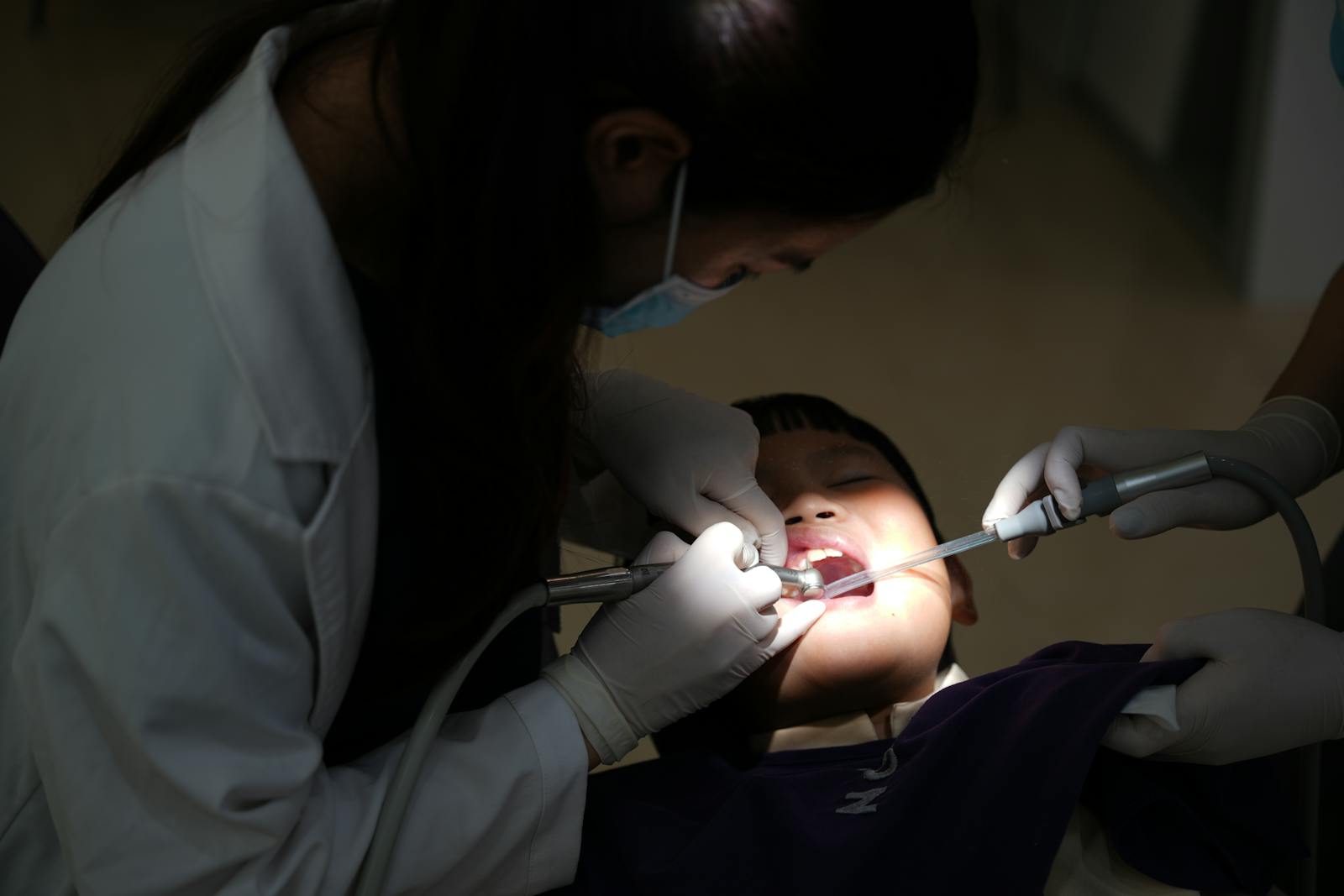
Inhalation sedation using ‘laughing gas’ is widely used to manage dental anxiety in both children and adults. It has a strong safety record and is frequently used during procedures such as fillings, crowns and root canals.
But nitrous oxide is also a potent greenhouse gas, with a global warming potential 273 times greater than carbon dioxide.
Researchers analysed data from 891 sedation episodes across 31 dental services, spanning 128 primary and secondary care sites. They found that the average carbon footprint per sedation appointment was 28.6 kilograms of carbon dioxide equivalent (kg CO₂e) – roughly the same as driving 72.8 miles in a petrol car.
At service level, the carbon footprint linked to one week of nitrous oxide use ranged from 38.9 to 1,849 kg CO₂e. The highest figure equates to the emissions from driving 4,709 miles in a petrol car, highlighting stark differences in practice.
First author Alexandra Lyne, from UCL Eastman Dental Institute, said: ‘Nitrous oxide has an important role to play in dental care, particularly for children and young people, but it is also a powerful greenhouse gas. Our study shows that its environmental impact varies widely between services, largely due to differences in how it is supplied and administered.
‘Our recommendations include monitoring use, reducing unnecessary wastage and standardising practice where possible. By doing this, dental services can reduce emissions while maintaining patient care.’
When assessing how nitrous oxide was delivered, the researchers found that most sites used individual cylinders, while a smaller proportion relied on centrally piped systems. On average, wastage was 30% higher in services using piped supplies than in those using cylinders, though variation was seen in both systems.
Contributing author Professor Paul Ashley said: ‘Our analysis showed wide variation in how nitrous oxide is delivered, with flow rates ranging from 1 to 13 litres per minute and no clear link to patient age. This tells us that many patients may be receiving more gas than they actually need.
‘Using higher flow rates doesn’t improve the patient experience or treatment outcomes, but it does increase nitrous oxide use and its environmental impact, so there’s a clear opportunity to deliver care that’s just as effective while being more considered and patient centred.’
Despite differences in use and wastage, inhalation sedation proves highly effective. Across the study sites, 92% of procedures using the technique were successfully completed. Children and young people accounted for 83% of patients receiving inhalation sedation – a group for whom it is the only standard sedation option.
Some services reported routinely using inhalation sedation during acclimatisation visits – short, non-invasive appointments designed to help children gradually build confidence in the dental setting. However, the researchers found no meaningful difference in success rates between services that offered sedation for acclimatisation and those that did not, raising questions about whether the environmental cost of routinely sedating patients for such visits is justified.
The team recommend that dental services audit gas use and wastage, minimise flow rates and duration, reconsider routine sedation for acclimatisation appointments and explore alternatives where appropriate.
The authors also urge professional bodies to factor the environmental impact of nitrous oxide into future dental sedation guidelines, and call for further research into gas wastage and clinical administration practices.
The full research can be read here
Photo: Ông Ngọc Dư
Leave a Reply