












The cleaner air experienced by many cities during the COVID-19 pandemic is well documented but a new study from Colombia suggests the severity of restrictions may have mattered just as much as the restrictions themselves.
Researchers analysing air quality data from Bogotá found that progressively stricter mobility controls were associated with progressively larger reductions in harmful air pollutants, offering what they describe as a rare real-world experiment into how human activity affects urban air quality.
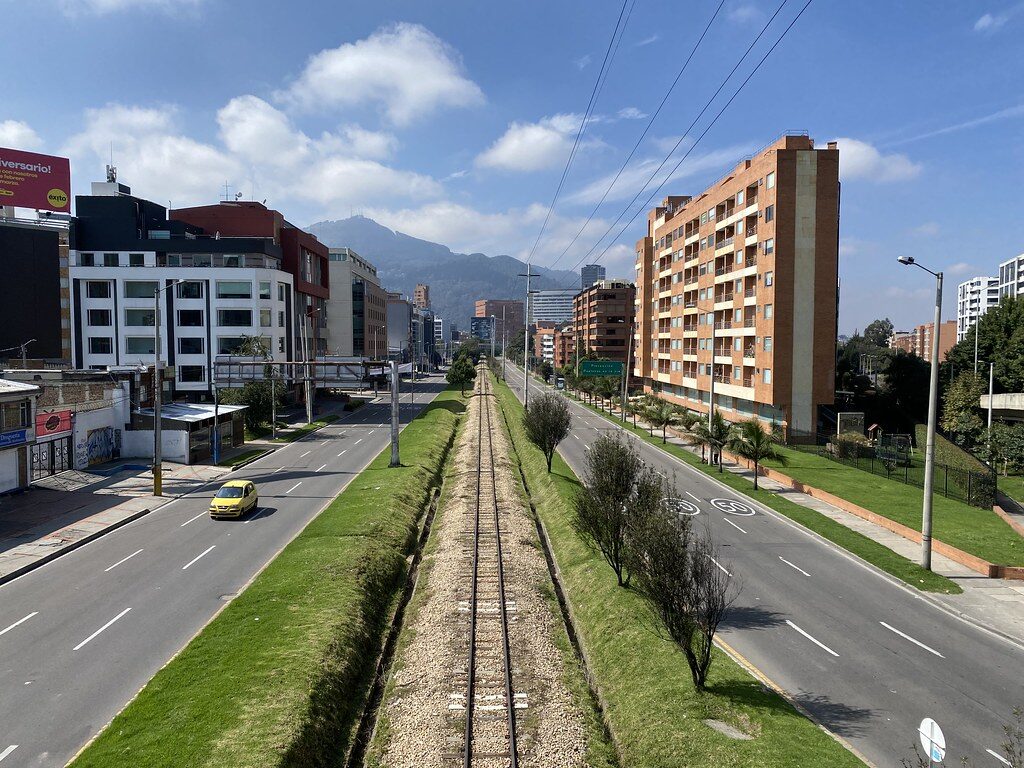
The study examined three different phases of COVID-19 restrictions implemented in the Colombian capital during 2020, ranging from less restrictive measures to more stringent localised lockdowns. By comparing pollution levels during each phase with equivalent periods in 2019, researchers were able to assess not only whether air quality improved, but how the intensity of restrictions influenced the scale of those improvements.
Their findings showed that the largest reductions in particulate pollution occurred during the most restrictive phases. Concentrations of PM₁₀ and PM₂.₅ fell significantly during both the ‘smart quarantine’ and ‘focalised quarantine’ periods, with the strongest effects recorded under the toughest restrictions.
While previous studies have shown that lockdowns reduced pollution around the world, the researchers argue that most focused on simple before-and-after comparisons. This study instead sought to measure what scientists call a ‘dose-response’ effect: whether increasing restrictions on movement produce correspondingly greater environmental benefits.
Lead author Aníbal Teherán and colleagues also took the unusual step of calculating the size of those benefits, rather than simply determining whether changes were statistically significant. They found that stronger restrictions consistently produced larger reductions in key pollutants.
The research also introduces the concept of ‘environmentally significant’ improvements. Rather than focusing solely on whether pollution levels changed, the authors assessed whether air quality improved enough to remain below regulatory thresholds intended to protect public health.
The findings do not suggest lockdowns should be used as environmental policy. Instead, the researchers say the pandemic provided a unique opportunity to understand the relationship between traffic, human activity and pollution levels in a major city.
They argue the lessons could help policymakers design more targeted interventions, such as low-emission zones, traffic restrictions, cleaner transport systems and coordinated measures to reduce emissions from multiple sources at once.
As cities around the world continue to struggle with poor air quality, the study suggests that the pandemic’s most lasting environmental legacy may be the evidence it provided about which pollution-control measures are most effective and how ambitious they need to be to make a measurable difference.
Leave a Reply