

















The government published the long-awaited third cycling and walking investment strategy yesterday (11th June), setting out a vision for making walking, wheeling and cycling a safe, easy and accessible option for everyone, backing the strategy with £4.5 billion of investment.
Heidi Alexander, Secretary of State for Transport, said in the strategy’s foreword that the government would take a different path by integrating active travel into health, planning and cost-of-living policies. She added that the investment would empower local authorities across England to embed walking and cycling into local transport systems.
The vision is based around three main objectives:
1. Enable more people, particularly the least active, to benefit from physical activity through active travel
2. Make active travel the easy and integrated choice
3. Improve safety for people walking, wheeling and cycling
The strategy has an ambition that 55% of all short journeys in towns and cities should be walked or cycled by 2035 and includes a target to increase the proportion of children aged five to 16 who usually walk or cycle to school to 60% by 2035.
In 2024, 10% of journeys to and from school under one mile were made by car, rising to 51% for distances between one and two miles.
Over the first five years of the strategy, the government will prioritise building safe networks around schools, including through a national ‘safe routes to school’ programme.
A £10 million Streets Innovation Fund will support trials of new measures, and the government has promised new powers for local authorities to tackle pavement parking, which it described as a particular barrier for disabled people, older people and parents with young children.
The strategy also commits to establishing the basis for a national active travel network by 2030, bringing together around 20,000 miles of planned routes from local cycling and walking infrastructure plans. A new national wayfinding system will be developed to make routes more intuitive, with pilots beginning in 2026.
Active Travel England will act as a delivery partner to local and mayoral authorities, providing more than £760 million of devolved funding. The government estimates that achieving the 2035 target would result in 700 million fewer vehicle miles, 5.3 million more people being physically active, and 45,000 years of life gained through reduced risk of premature death.
Rachel White, Head of Policy and Communications England, at Walk Wheel Cycle Trust said: ‘We welcome the publication of the third Cycling and Walking Investment Strategy… in particular, the inclusion of an ambitious new travel to school target, that rightly includes secondary school pupils and explicitly recognises cycling.
‘It’s great to see the commitment to improving the quality and connectedness of local walking, wheeling and cycling routes through the creation of a national active travel network. With the National Cycle Network sitting as the backbone everyone will have a genuine choice in how they travel.
‘Achieving meaningful change requires long-term certainty and strategic delivery, and we strongly support the sustained investment programmes included in the strategy. Concrete targets for modal shift, underpinned by clear and appropriate performance measures, will give local authorities and devolved regions the determination to make changes that work best for their communities.’
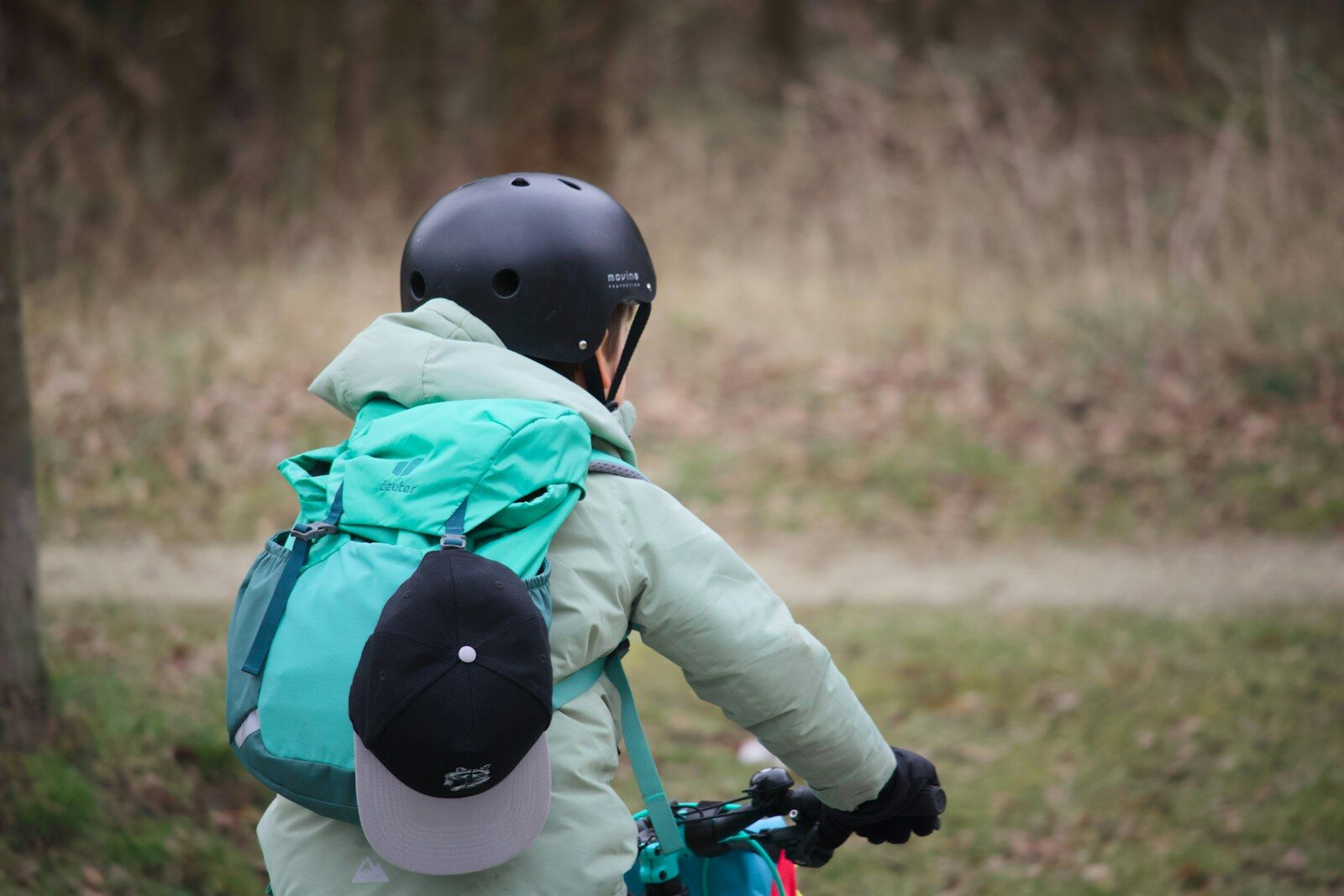
Photo: Sven Eisenschmidt
Leave a Reply