














A new study suggests that feeling able to breathe well is shaped by much more than air quality alone. Teenagers in Nairobi described seeking out places that felt calm, green and spacious, while avoiding areas crowded with traffic, waste and smoke – even when pollution measurements did not always match their perceptions.
Researchers worked with 38 adolescents living in two neighbouring communities in Kenya’s capital: Mukuru, one of the city’s largest informal settlements, and the more affluent suburb of Buruburu. Each participant led researchers on a walking tour of places where they found it easiest and hardest to breathe, while the team recorded conversations and measured PM2.5.
The results paint a picture of young people who are acutely aware of the environments around them and the effect those environments have on their daily lives.
‘It’s like the air is so stuffy,’ one 18-year-old participant said of a location she tried to avoid. ‘You are all overcrowded there and there is no way you can get free circulation of air.’
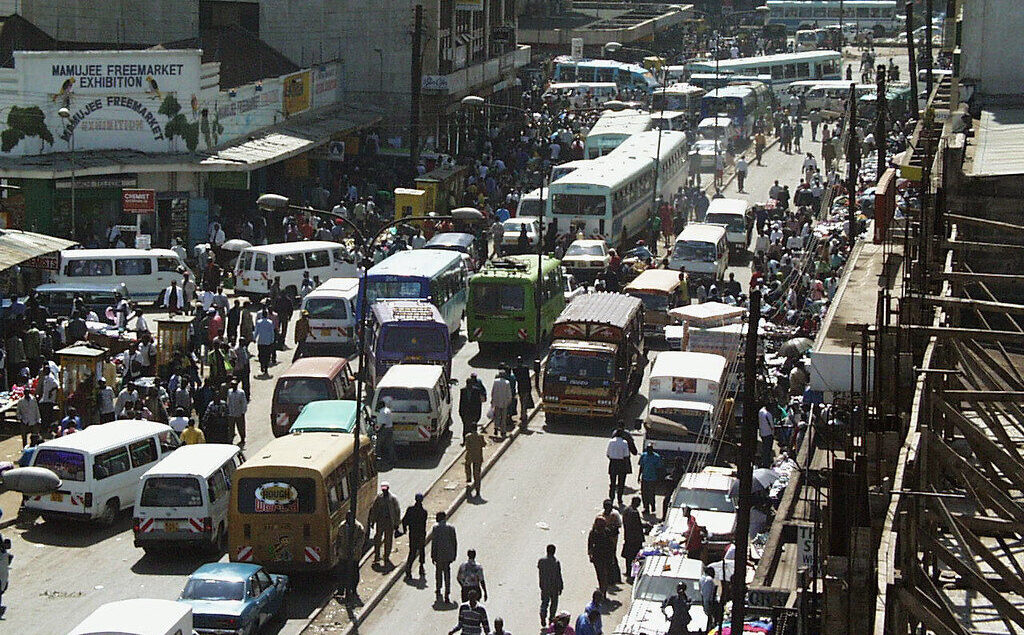
Places described as easy to breathe were often those with trees, open space and fewer people. They were also associated with feelings of cleanliness, peace and safety. Harder-to-breathe locations were linked to smoke from waste burning, unpleasant smells, traffic and overcrowding.
Surprisingly, the researchers found no statistically significant difference in PM2.5 levels between the places participants identified as easier or harder to breathe during the walks. Instead, the findings suggest that people’s experience of breathing is influenced by a combination of physical surroundings, social conditions and emotional responses – not simply by pollution measurements alone.
That did not mean pollution levels were low.
The study found clear inequalities between the two neighbourhoods. Mukuru contained more pollution hotspots than Buruburu, particularly around waste-burning sites, informal dumping grounds and busy commercial areas. In fact, some locations in Mukuru that young people considered relatively easy to breathe in still recorded higher average pollution levels than places considered difficult to breathe in Buruburu.
Many participants described adapting their behaviour to cope. Some walked faster through smoky areas, held their breath, covered their noses or chose different routes altogether. But the researchers argue these strategies place responsibility on individuals rather than addressing the sources of pollution.
The consequences extended beyond physical health. Teenagers said they avoided spending time, exercising, studying or socialising in places where the air felt unpleasant, limiting how they used their communities.
The researchers say the findings highlight the need for policies that go beyond reducing emissions alone. Better waste collection, cleaner public spaces, more trees and green spaces, and urban planning that reduces overcrowding could all help create neighbourhoods where people not only breathe cleaner air but also feel able to breathe well.
By combining air quality monitoring with the lived experiences of young people, the study offers a reminder that clean air is not simply measured by sensors. It is also experienced through the places where people live, learn and spend their lives – and those experiences are shaped by deep inequalities across the city.
The full research can be read here
Leave a Reply