


















Vehicle tyrewear may be doing more than just polluting urban environments. A new perspective published in the journal Biocontaminant suggests these tyre microplastics could be actively amplifying the spread of antibiotic resistance genes through urban areas.
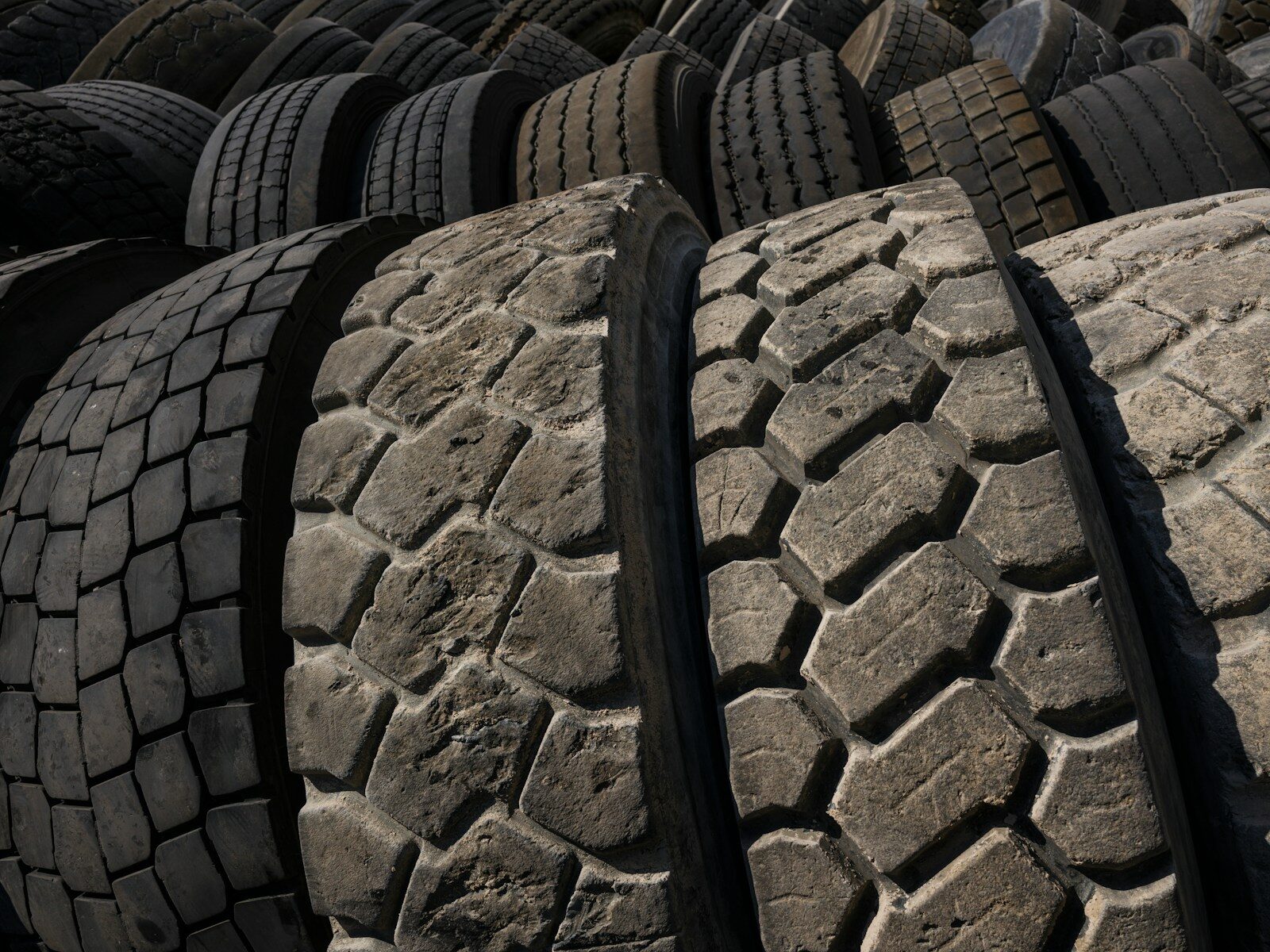
Tyre microplastics are continuously generated by friction between tyres and road surfaces, entering the air, washing into stormwater systems, accumulating in rivers and sediments or settling in urban soils. They are among the dominant sources of microplastic emissions in cities, estimated to make up over 13% of ambient particulate matter in urban air.
The researchers identified three main ways that tyre microplastics could increase the spread of antibiotic resistance.
First, tyre particles can become coated with communities of bacteria (aka the tyre plastisphere). Living so closely together makes it easier for bacteria to swap genetic material, including genes that make them resistant to antibiotics.
Second, tyre particles release a range of chemicals, including metals, antioxidants and other compounds, as they break down. Some can create conditions that favour antibiotic-resistant bacteria, helping them survive and spread. Research has shown that chemicals such as the tyre additive 6PPD and its breakdown product 6PPD-quinone (6PPD-Q) can increase the transfer of resistance genes between bacteria by making it easier for genetic material to move from one cell to another.
Third, as tyre particles age through exposure to sunlight and the environment, they become more chemically active. This can produce highly reactive molecules that stress bacterial cells. At moderate levels, this stress may make bacteria more likely to exchange resistance genes but if it becomes too great, it can damage the bacteria or their DNA.
Corresponding author Yuyi Yang of Wuhan Institute of Technology said: ‘Tyre microplastics should not be viewed simply as passive particles that carry pollutants from one place to another. Their surfaces, chemical additives and aging processes may work together to create conditions that favour the persistence and transfer of antibiotic resistance genes.’
The findings highlight the need to reduce tyre particle pollution at its source and intercept it before it reaches urban waterways. Potential measures cited by the team include stormwater filtration, roadside capture systems, green infrastructure and nature-based treatment technologies, alongside coordinated monitoring that connects environmental management with public health and antimicrobial resistance control.
The full research can be read here.
Photo: engin akyurt
Leave a Reply