














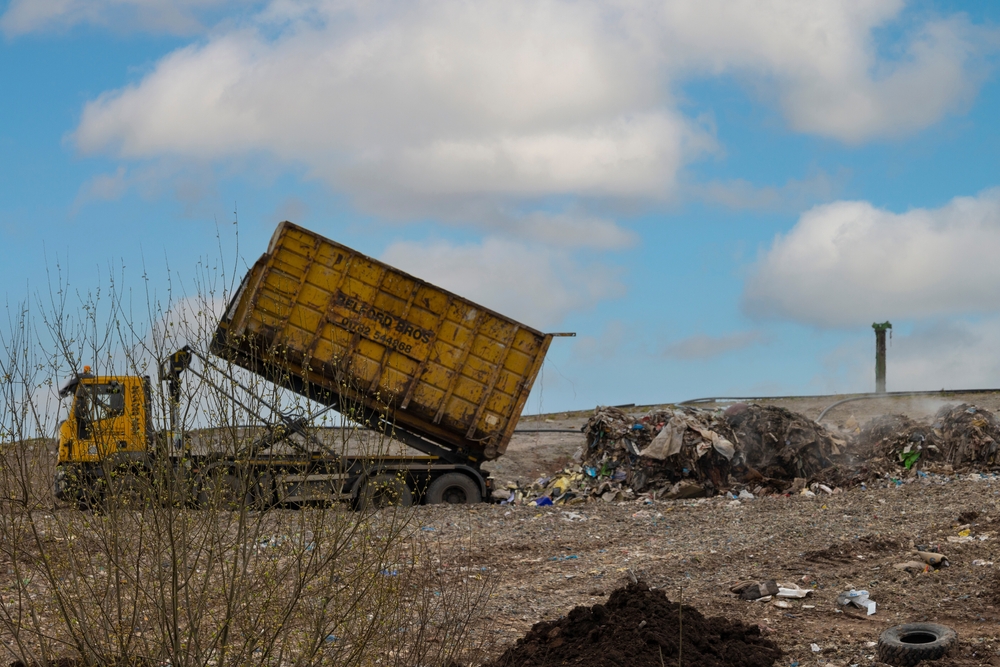


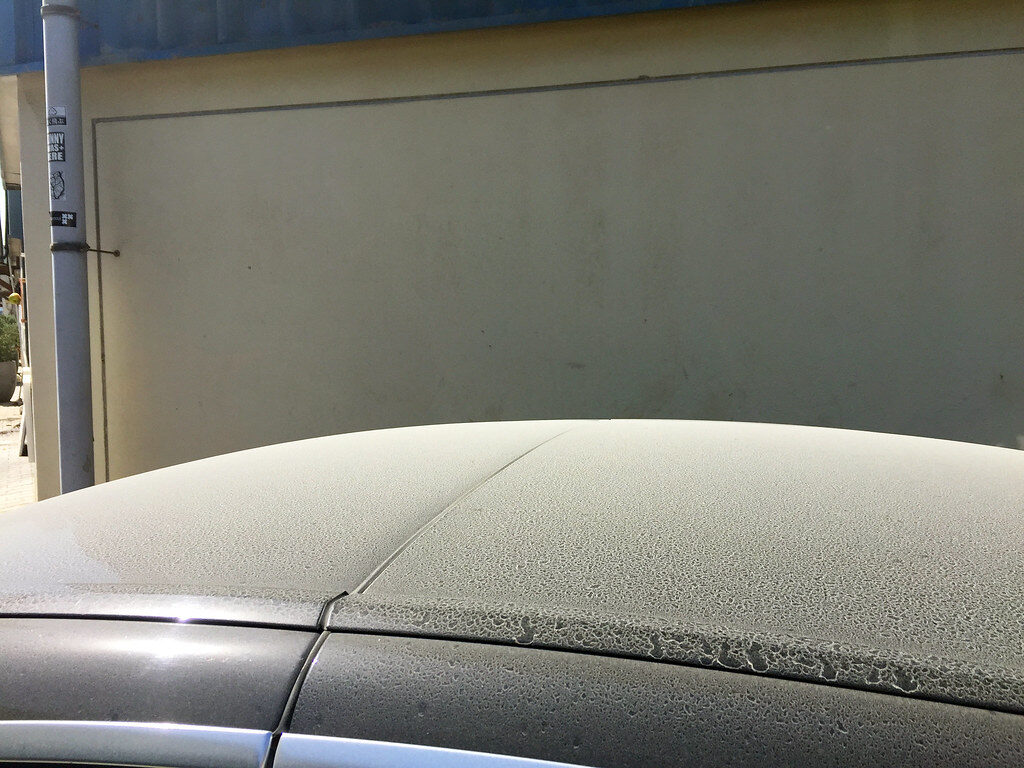
A decade of observations from the south-west coast of England suggests that the cooling winds can also bring higher levels of ozone and other pollutants back towards the shore.
Does any weather phenomenon have as positive a connotation as the ‘sea breeze’? No-one’s postcard home, particularly in these baking times, is bemoaning the cooling air that moves in to refresh those on land.
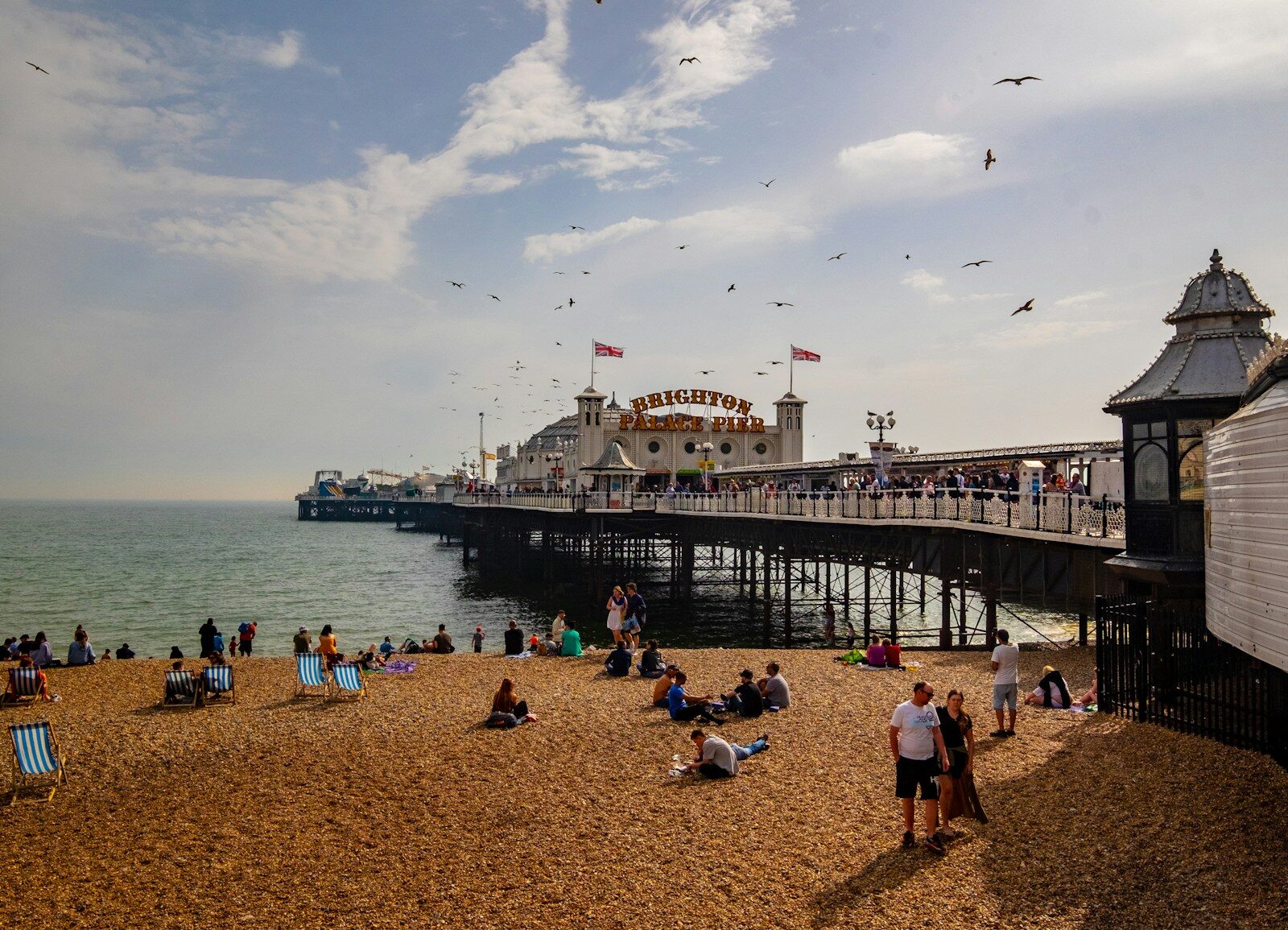
It’s slightly disappointing then, to read that this breeze can also contribute to poorer air quality, according to a decade-long study of atmospheric conditions on the south-west coast of the UK.
Researchers led by the Plymouth Marine Laboratory found that a regular cycle of winds blowing inland during the day and back towards the sea at night can trap and recycle pollutants, contributing to higher levels of ozone, nitrogen oxides and airborne particles.
The study analysed 10 years of measurements from the Penlee Point Atmospheric Observatory, near Plymouth. The team identified 428 days when a distinct daily sea breeze occurred, with the events most common during spring and summer.
A sea breeze develops because land heats up and cools down more quickly than the sea. During the day, warmer air over land can draw cooler air inland from the sea. At night, the circulation reverses.
The researchers found that the effect can be particularly important for air pollution. During sea-breeze events, daytime concentrations of pollutants including ozone and nitrogen oxides were around 20% higher at the Penlee Point site than during comparable periods of onshore wind. Sulphur dioxide levels were more than twice as high.
The researchers theorise that the pollution builds up overnight when weak winds limit dispersion. During the day, the sea breeze can then carry the polluted air back towards the coast, while strong sunlight drives chemical reactions that produce ozone.
Ozone was a particular concern. At Penlee Point, the EU’s eight-hour ozone limit of 60 parts per billion was exceeded during 2.4% of daytime observations on sea-breeze days, compared with 0.3% on non-sea-breeze days. Between April and June, the exceedance rate during daytime sea-breeze events reached 7.7%.
In one example from August 2022, ozone at Penlee Point reached 100 parts per billion, the highest level recorded at the site since observations began in 2014.
The findings could also affect how scientists monitor air pollution and greenhouse gases. Penlee Point is intended to provide measurements representative of relatively remote North Atlantic air, but sea breezes can bring air that has previously been influenced by land back over the monitoring station.
The researchers found that excluding sea-breeze events reduced the daily variation in ozone and methane and changed their seasonal patterns, suggesting that these local weather systems need to be accounted for when interpreting long-term coastal measurements.
Lead author, Dr Mingxi Yang said: ‘With our changing climate, it’s important to understand how the frequency of sea breeze events might change in the future. Will we see more, or less, of these events? What will be the effect on air quality? These are all questions that we don’t yet have the answer for. Continued, long-term observations will be essential for helping us identify trends and understand how these patterns may change over time.’
The full research can be read here.
Photo: Ben Guerin
Leave a Reply