

















Burning ‘low smoke’ manufactured fuels in home stoves may actually increase the number of tiny, potentially more harmful particles released into the air, new research led by the University of Galway has revealed.
Since October 31, 2022, Ireland has implemented a nationwide ban on the sale and distribution of bituminous (‘smoky’) coal to improve air quality. Under these regulations, only approved low-smoke fuels can legally be sold for home heating.
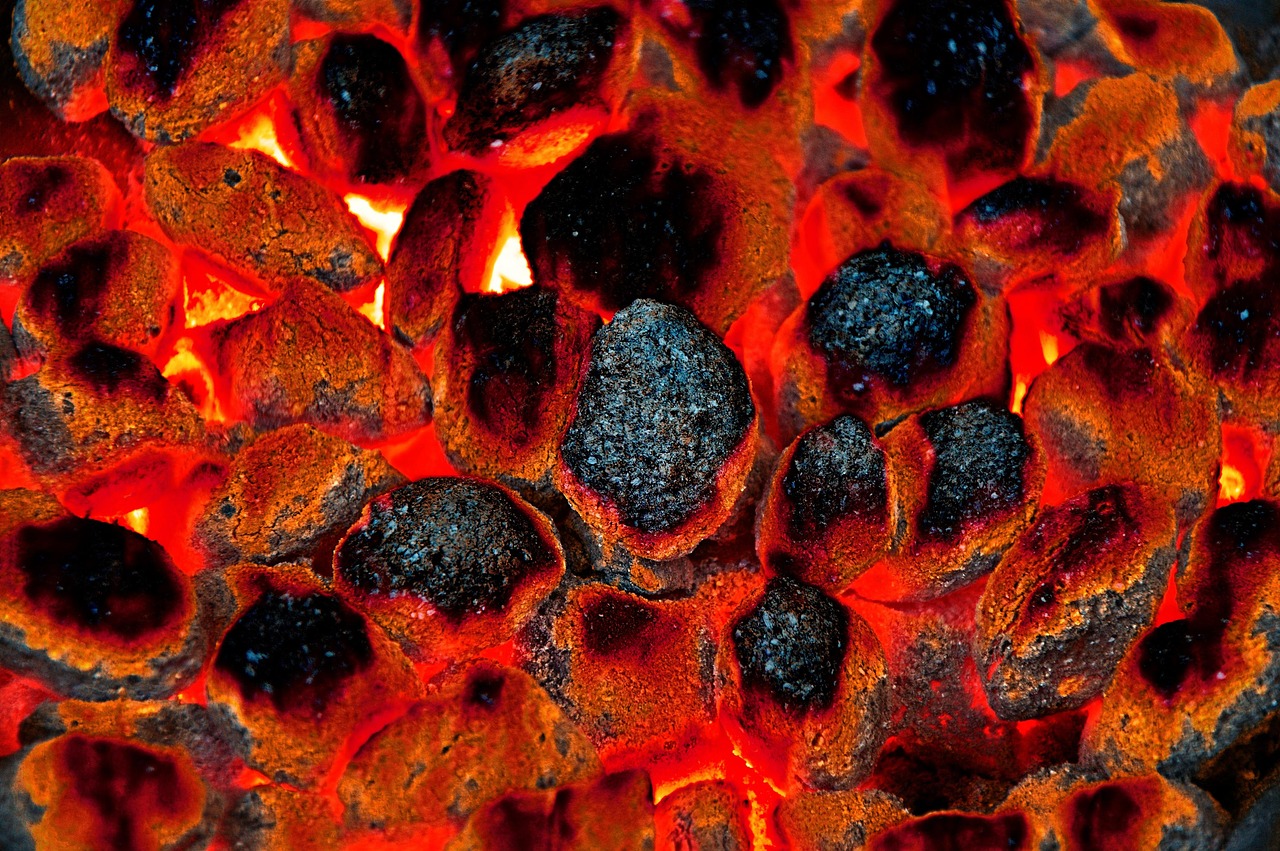
To quote from the Irish Government’s FAQ on the subject: Low smoke fuel is a fuel permitted for sale in a Low Smoke Zone and emits less black smoke than comparable fuels. Black smoke contains high levels of PM2.5, which is harmful to the environment and to human health. Low smoke fuel emits some smoke while igniting, but when burning efficiently, emits less smoke.
The latest research conducted controlled burn experiments using peat, wood and low-smoke manufactured products – including low-smoke coal, using advanced instruments to track particle numbers, size, and composition, then compared the results with real-world air measurements collected over several years in Dublin and Birr, County Offaly.
Challenging the assumption that reducing visible smoke equates to cleaner, safer air, the results showed that while low-smoke fuels cut the total mass of pollution particles by 50 – 77% compared to raw fuels, they actually produced far more ultrafine particles. These fuels released two to three times more ultrafine particles than raw fuels, with most particles measuring just 73 – 78 nanometres across, the smallest size seen in any of the fuels tested.
Not only can ultrafine particles penetrate deep into the lungs, enter the bloodstream and potentially reach the brain, their toxicity increases as they get smaller, due to their larger surface area and ability to carry harmful surface-bound constituents.
Professor Jurgita Ovadnevaite, Director of the Centre for Climate and Air Pollution Studies, Ryan Institute, University of Galway, said: ‘Our study shows that in trying to cut particulate mass, emissions of the tiniest particles have unintentionally been driven up, which may be even more harmful to human health. These ultrafine particles from ‘low smoke’ fuels penetrate deepest into the lungs, from there to the cardiovascular system, and they can even reach the brain.
‘Based on this data, we underscore the need to move away from residential solid fuel burning as part of the wider societal aim to decarbonise the economy by 2050.’
The researchers point out that existing standards focus on measuring particulate matter mass, which does not capture the number of ultrafine particles present. The study found that particle number concentrations are significantly underestimated – by up to ten times – in current air quality models.
While the recently revised EU Ambient Air Quality Directive introduces mandatory monitoring of ultrafine particles for the first time, the researchers argue that binding regulatory limit values are now urgently needed.
The full research can be read here.
Photo: geralt / Pixabay
Leave a Reply