

















A year-long study of public housing communities in southeastern Virginia has found that indoor air quality remains significantly worse than outdoor air, even five years after the introduction of a federal smoke-free housing policy.
The research measured PM2.5 levels across 12 multifamily public housing buildings in the Hampton Roads region. The area has earned an A rating for outdoor air quality from the Environmental Protection Agency.
Yet researchers found that indoor PM2.5 concentrations averaged 23.33 μg/m³ – nearly three times higher than outdoor levels of 8.42 μg/m³. Nearly 95% of daily indoor readings fell into the US Environmental Protection Agency’s ‘moderate’ or worse risk categories, while 69% of outdoor readings were classified as ‘good’.
The US Department of Housing and Urban Development implemented the smoke-free housing policy in 2018, prohibiting indoor smoking in public housing units and common areas. But the new findings suggest the policy has not delivered sustained improvements in air quality.
Lead author Dr Bryn Sheehan of Virginia Health Sciences at Old Dominion University said the results point to persistent challenges in policy implementation. Prior research by some of the same authors found that indoor air quality initially improved after the smoking ban but worsened again within a year, likely because residents continued smoking indoors to avoid detection and citation.
The study involved placing 117 air quality sensors in shared hallways and common areas of buildings housing older adults and people with disabilities. Data was collected throughout 2023.
A notable spike in PM2.5 concentrations occurred in June 2023, when smoke from Canadian wildfires reached the region. While public health guidance recommends staying indoors during such events, the study found that indoor air quality in public housing remained consistently poor throughout the year – including during the wildfire period.
The researchers note that barriers to policy compliance include residents’ fears for their safety when stepping off public housing property to smoke. They also point to a historical legacy of systemic racism that has positioned public housing developments near environmental hazards such as railways and shipyards.
Previous studies of market-rate housing, have typically reported lower indoor than outdoor PM2.5 levels, however this research found the opposite pattern in . The authors say this suggests indoor smoking functions as a persistent emission source in multi-unit, income-based housing.
Income-based housing in the USA is primarily funded by the federal government and managed locally, with rent typically capped at 30% of a household’s adjusted gross income.
The study did not measure airborne nicotine directly, so it could not confirm that elevated PM2.5 was specifically attributable to tobacco smoke. However, the findings align with prior evidence of ongoing smoking and enforcement challenges.
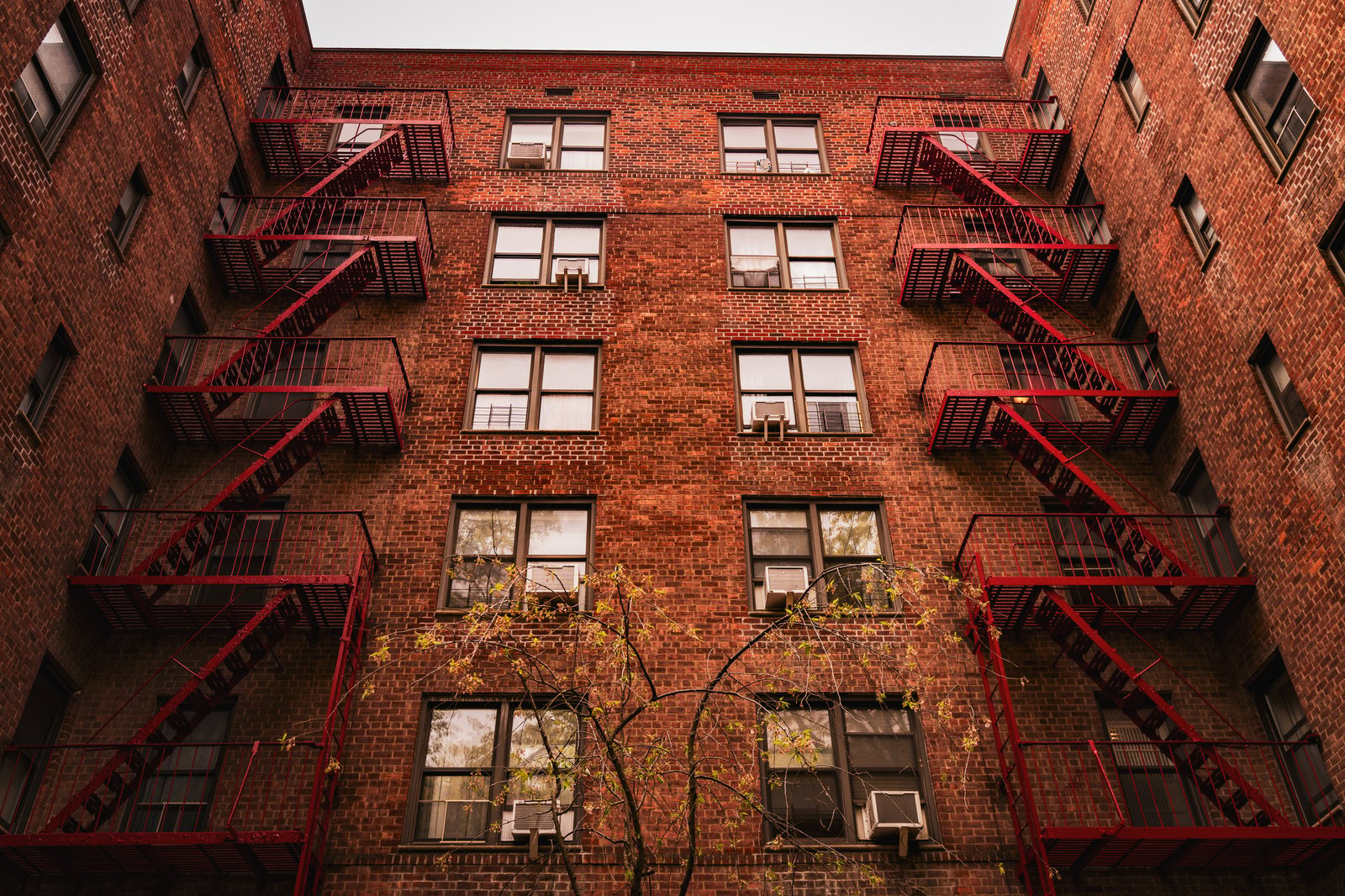
Photo: Brett Aukburg
Leave a Reply